
On the Southern tip of the South American continent, bound by the Atlantic, Southern, and Pacific Oceans, lies Patagonia.
A diverse region of exceptional natural beauty, split between Argentina and Chile, Patagonia is home to 5 main geographical areas covering glaciers, lakes, rocky fjords, a desert, and an archipelogo.

Over the millennia, retreating glaciers have made the southern Fjords accessible, representing a testament to their powerful sculpting forces.
Valleys carved by ice and flanked by cliffs and mountains have created a complex network of waterways that have recently been put under the protection of the Kawesquar National Park, creating a Patagonia within a Patagonia.

Southern fjords navigation map
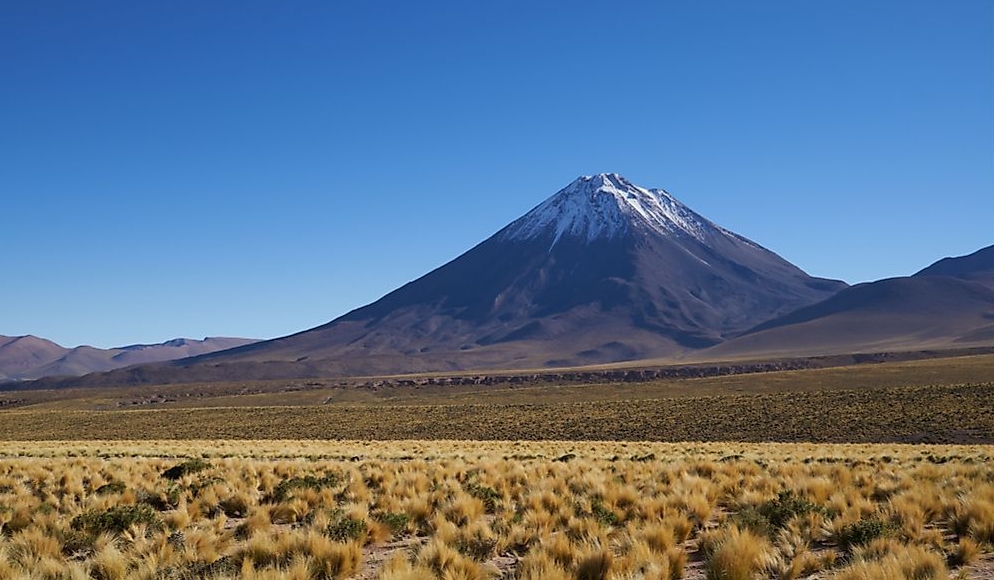
The region also has many volcanoes.

Volcano distribution in Patagonia


Tsnumani warning signs are all over the place
There is no road network for the fjords, making travel by ferry the only option. The ferry company touts that “a plane may get you to southern Chile faster, but our ferry ride offers you an experience like no other.”
We expect it to be as this is not a cruise ship but a working ferry for trucks and goods.
They do accept the odd passenger, though.
We don’t expect any form of luxury in return.
This is our trip from Puerto Montt to Puerto Natales.

Our trip starts with the ferry being delayed by 3 days due to high winds. The trip, when we leave, is also extended by an extra 2 days ( from 3 to 5 days), again due to the weather.
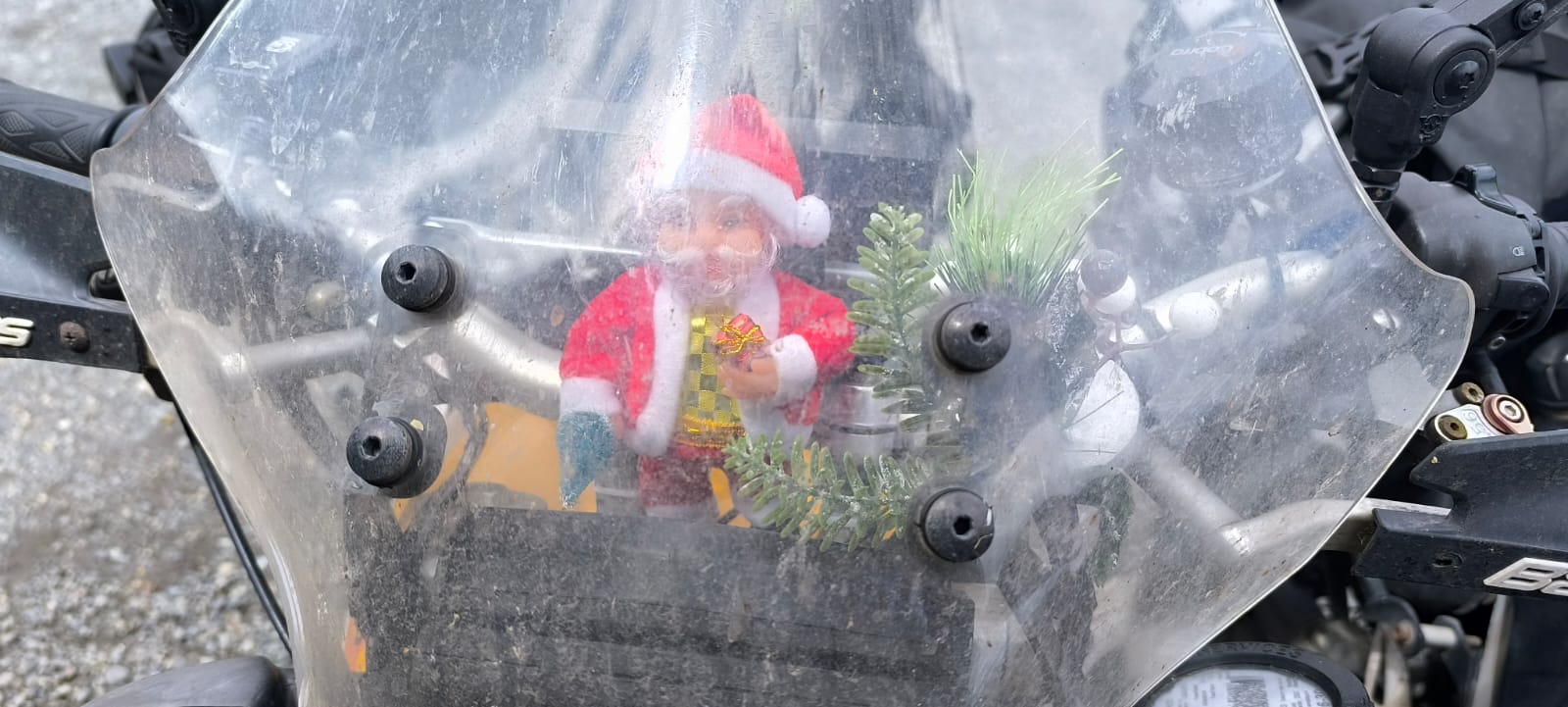
We do get to spend Christmas on the ferry as a result, and my bike gets into the festive spirit with this hitchhiker.
Rumour has it he plans to move shop to tariff friendly Antartica- the direction we are heading.
We spend the day kicking our heels in Puerto Montt. The ferry is planned to dock at 11 am

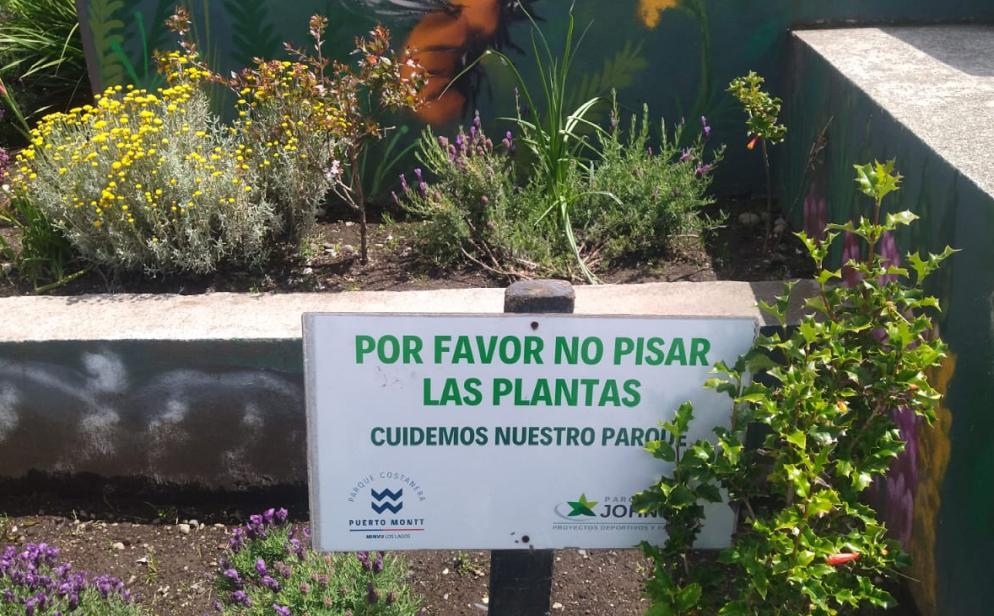
Ask nicely. One wonders if such a request would work in South Africa
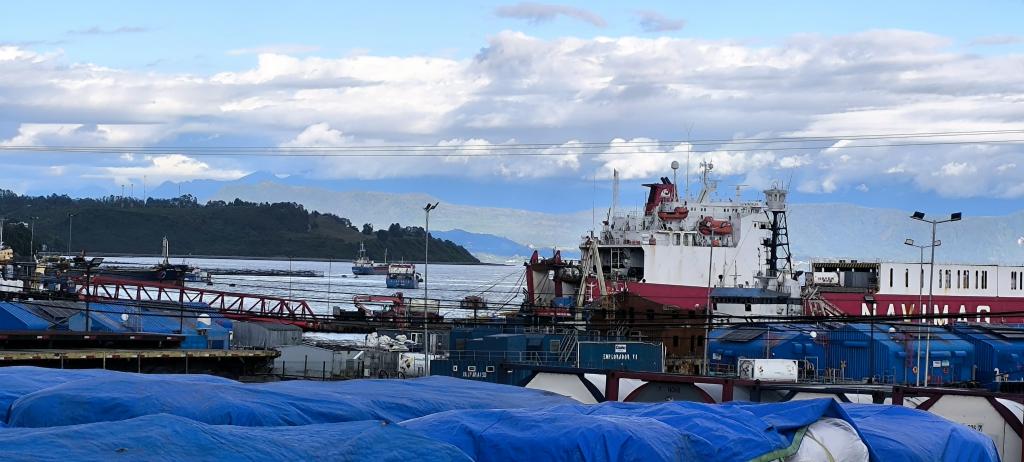
We get excited when we see this- it has to be our ferry. Turns out it isn’t. Ours will dock there when this one departs. At 8 pm that evening!

Our bikes are weighed, and we get to spend the rest of the day in the container with the red roof.
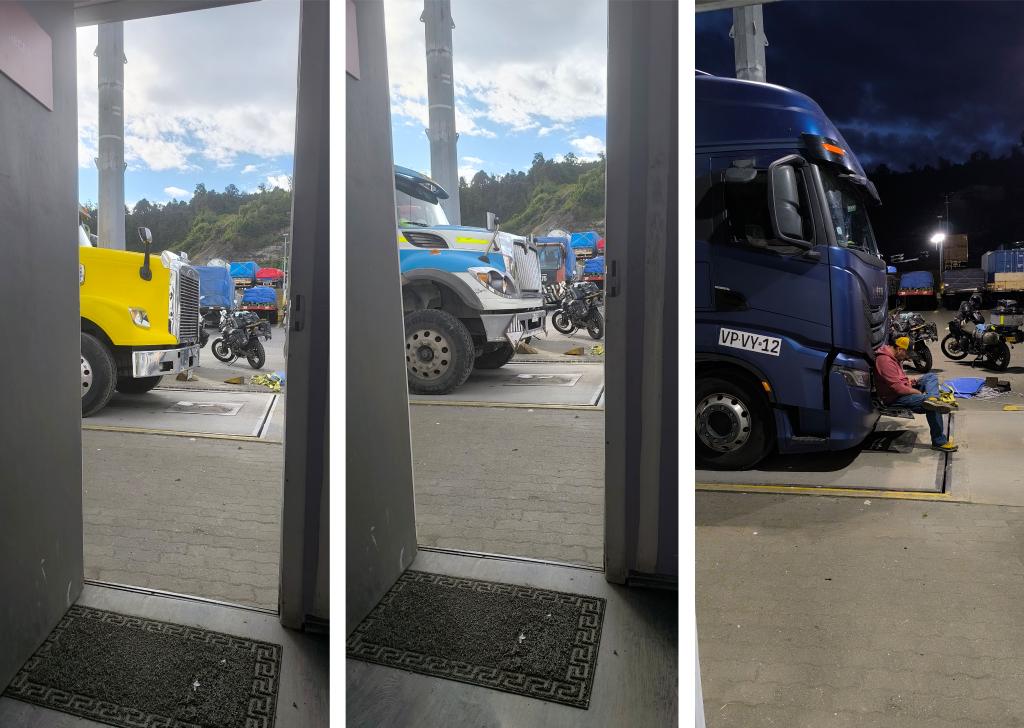
Trucks arrive & day turns to night. We become thankful for the warmish container.
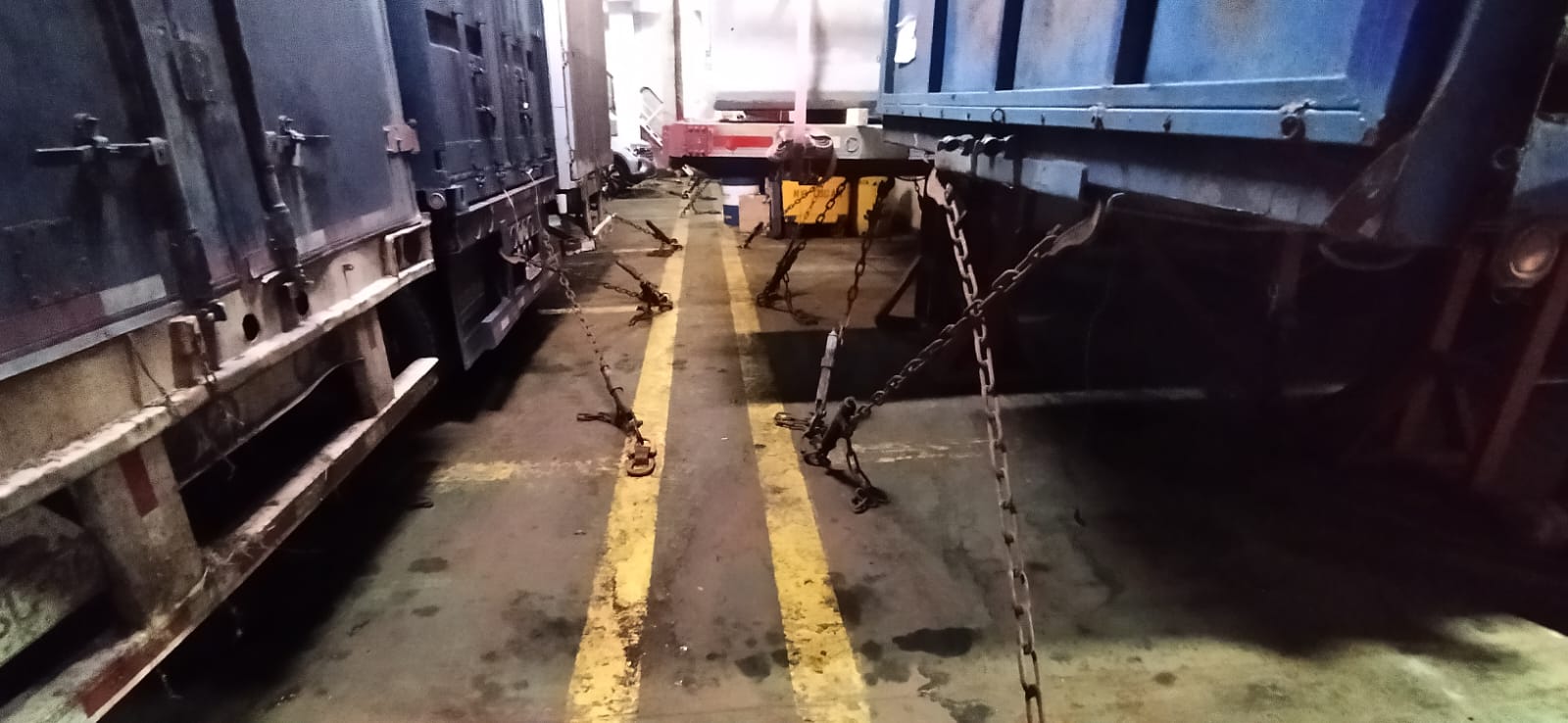
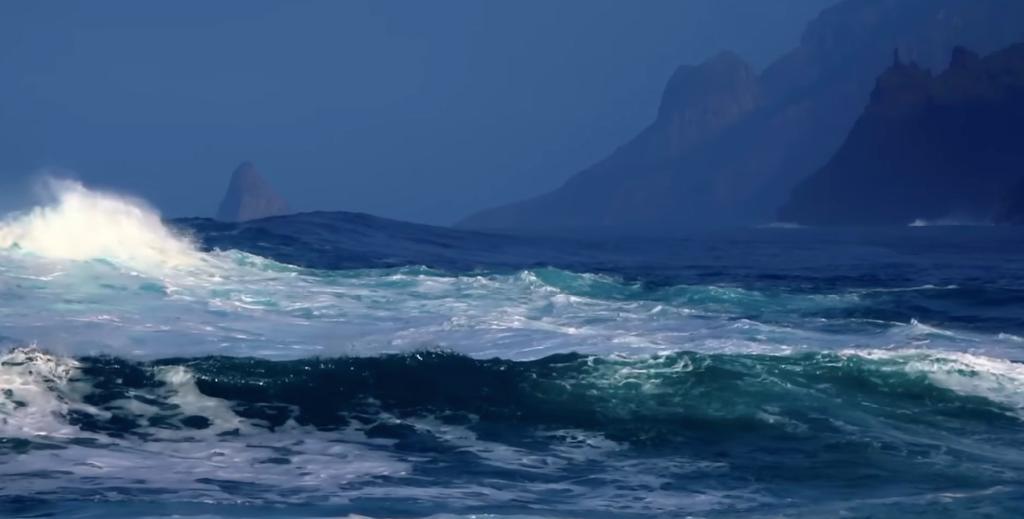
Finally, at midnight, trucks are allowed to board our ferry. They are chained down as a precaution when the ferry enters the rough Pacific Ocean later.
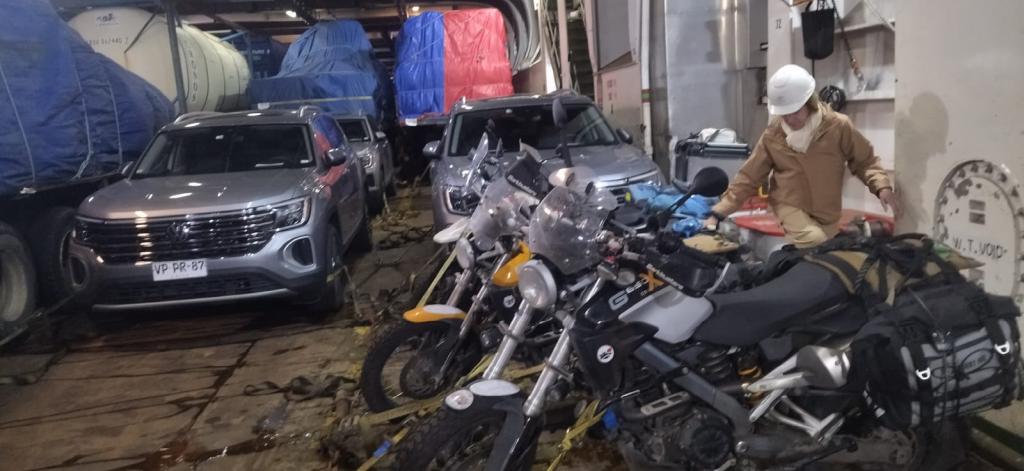
After the trucks come the bikes and brand new cars destined for Punta Arenas . At this time of the morning we both lacked humour.

Packed to the load line /Plimsoll mark, we hope the boat is well balanced with so much cargo. She carries 100 trucks. Trucks are fully loaded from Puerto Montt, while the ferry mainly returns empty from Puerto Natales, as truckers tend to go overland through Argentina from there.
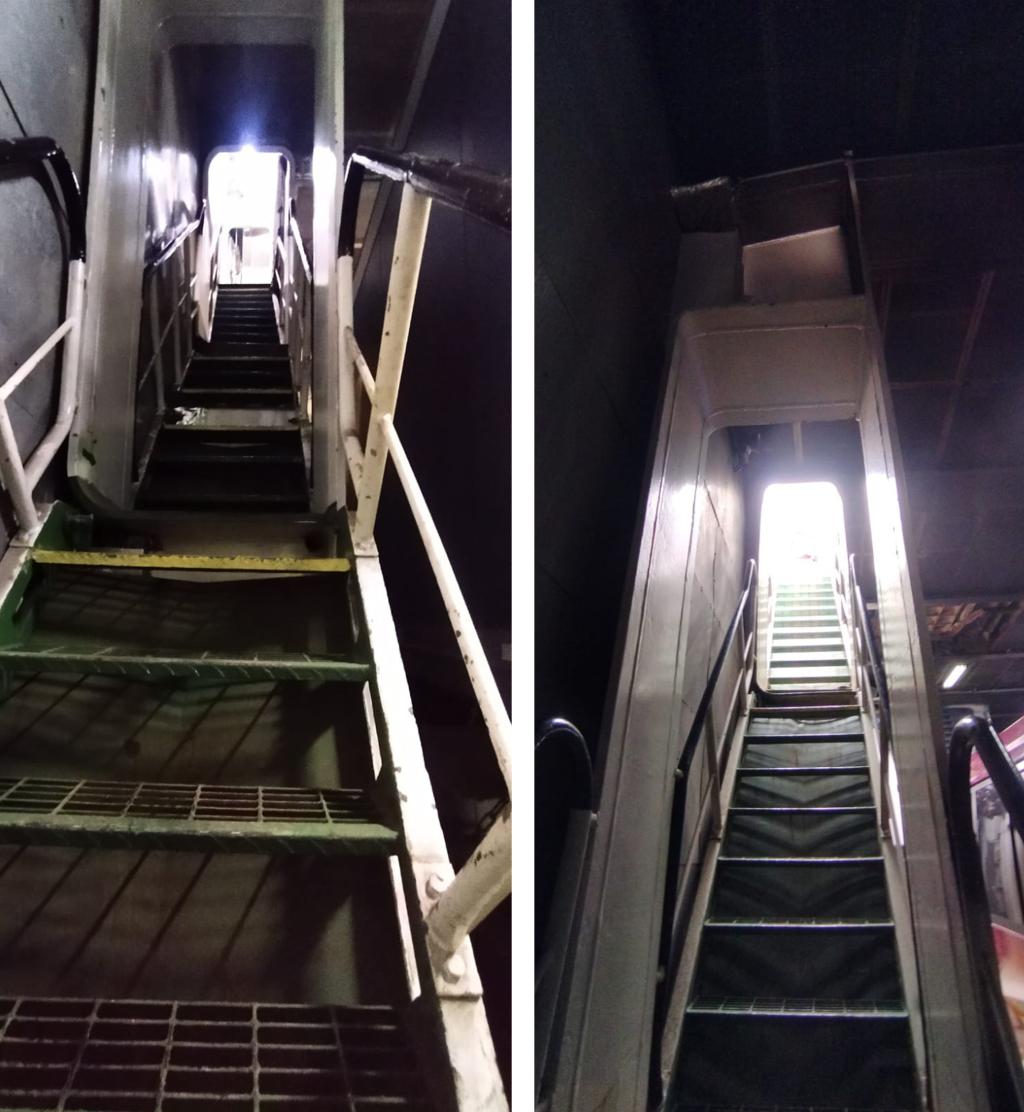
And at +- 3 am, we get to go to our cabin up these steep, narrow stairs. Wide enough only for a person with no bags. Must be some sort of right of passage, as later we find out there is actually a lift ……..
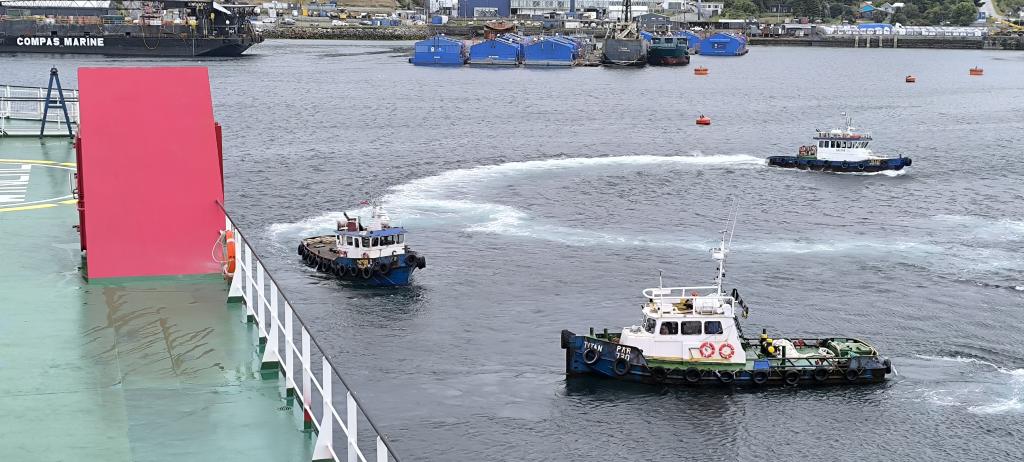
The next morning, as the ferry attempts to leave its berth, it is blown off course, sending these tugs into what we hoped was a controlled frenzy.
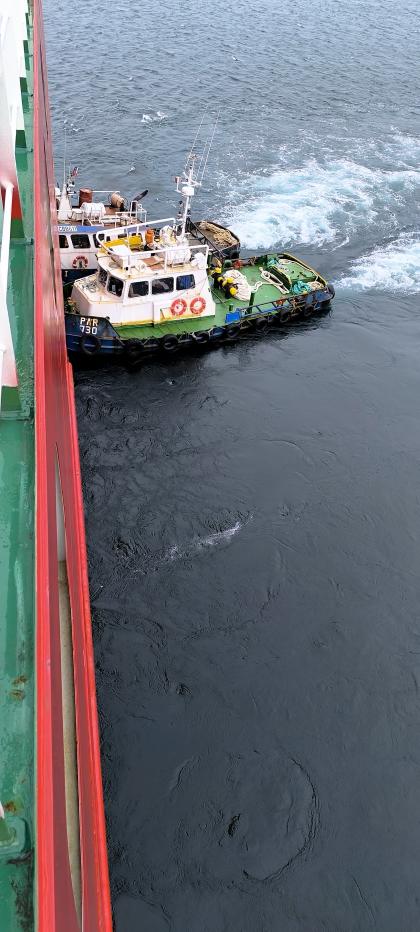
Like bulldogs, they push the ferry back on course.
At the end of the day, it was worth the wait as the ferry’s claim of “a journey like no other” delivered
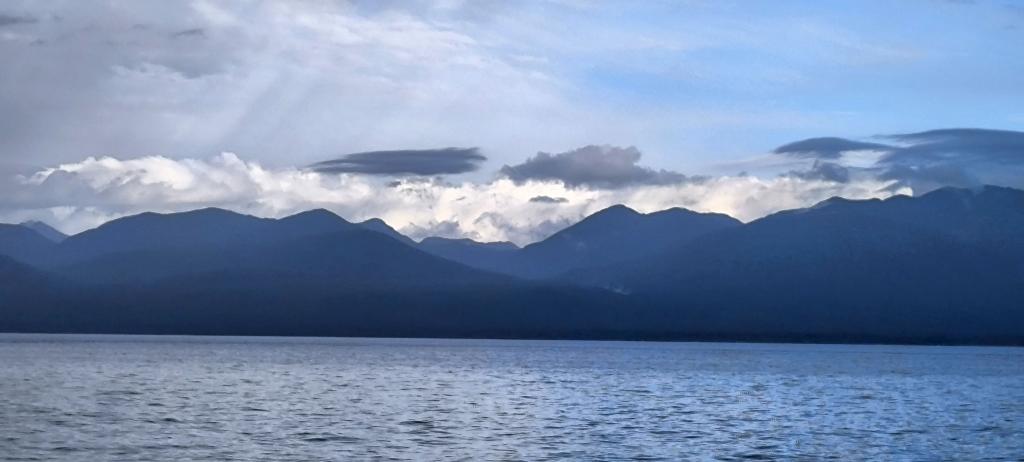
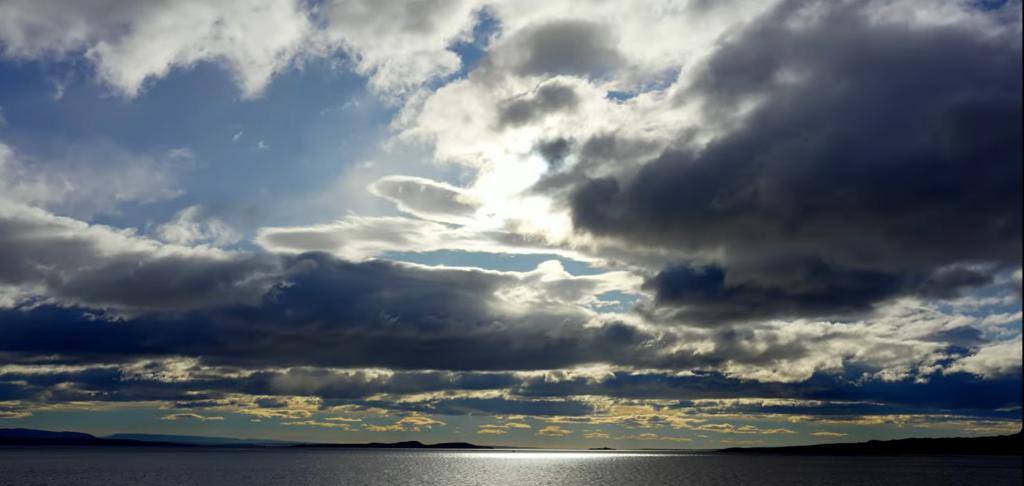

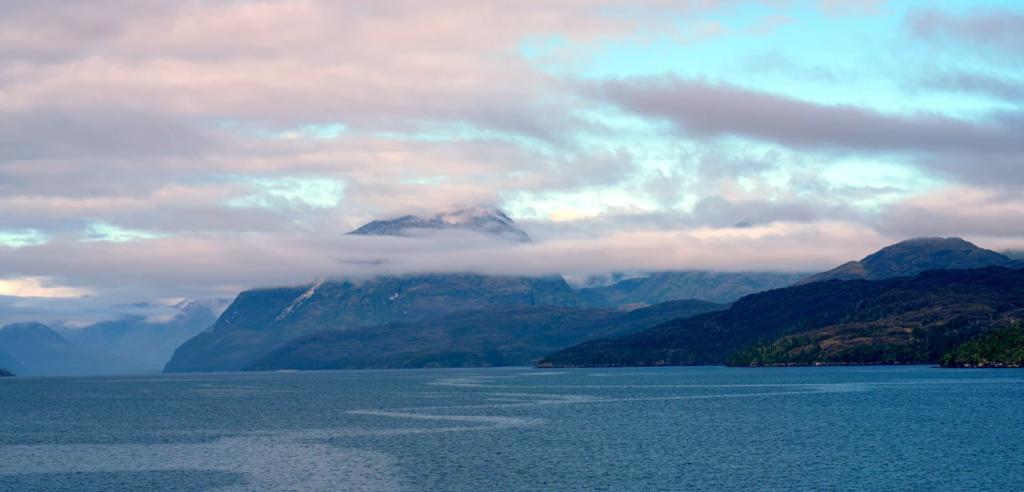


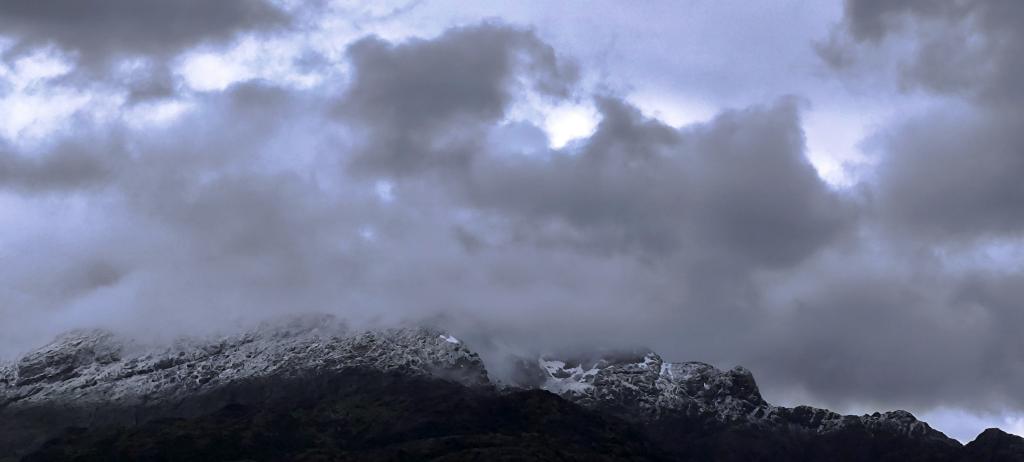
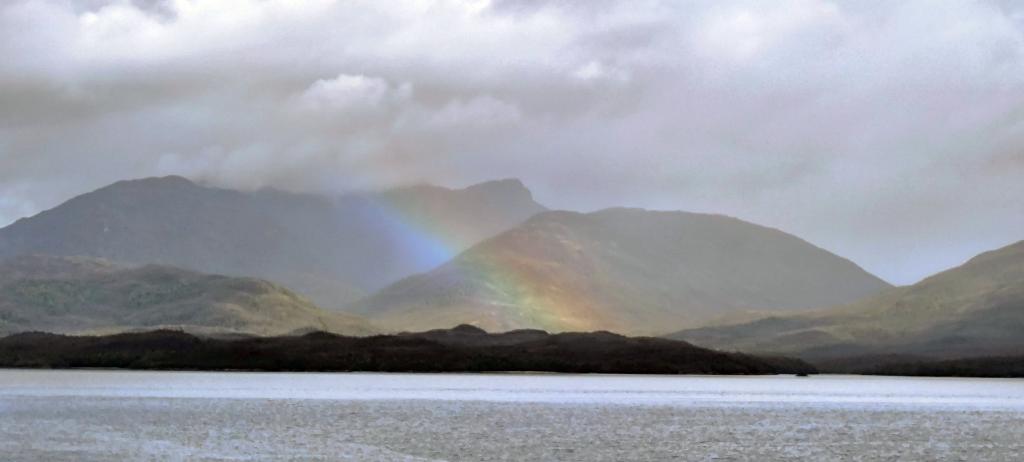
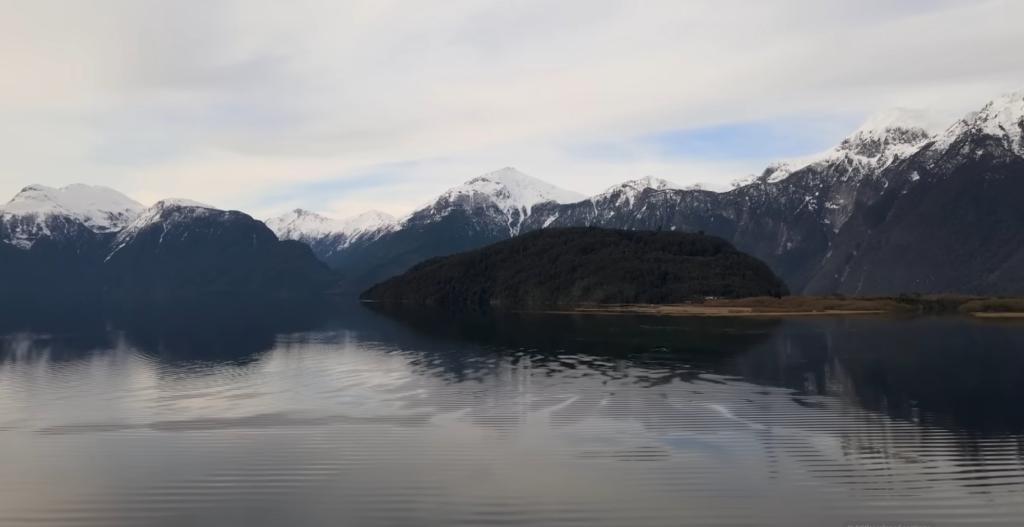

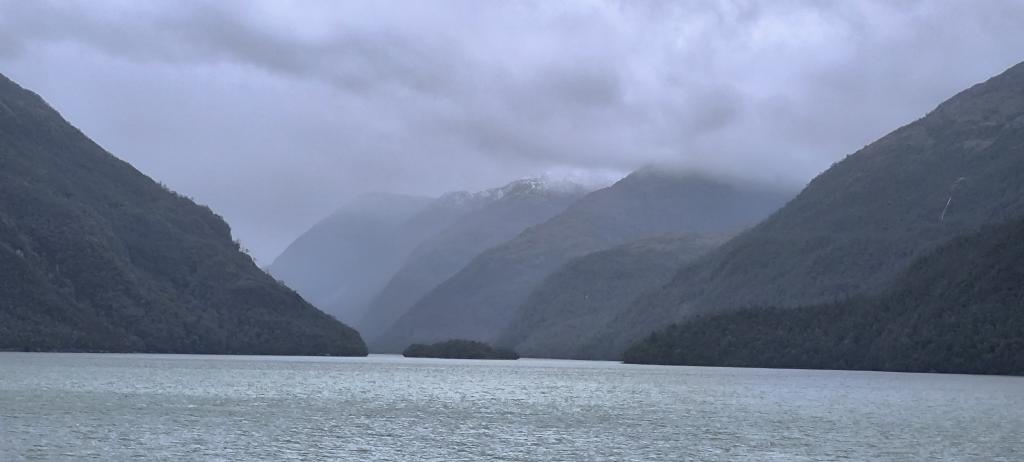
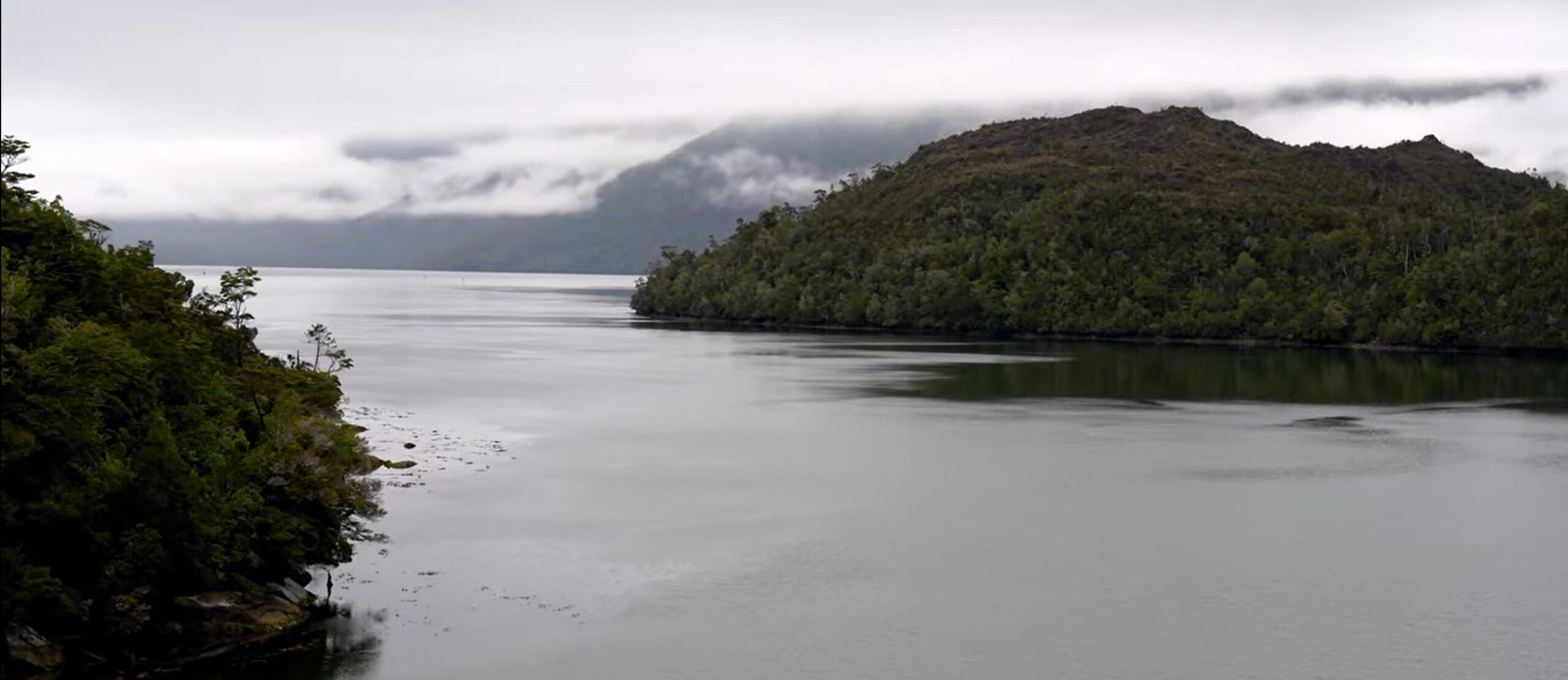
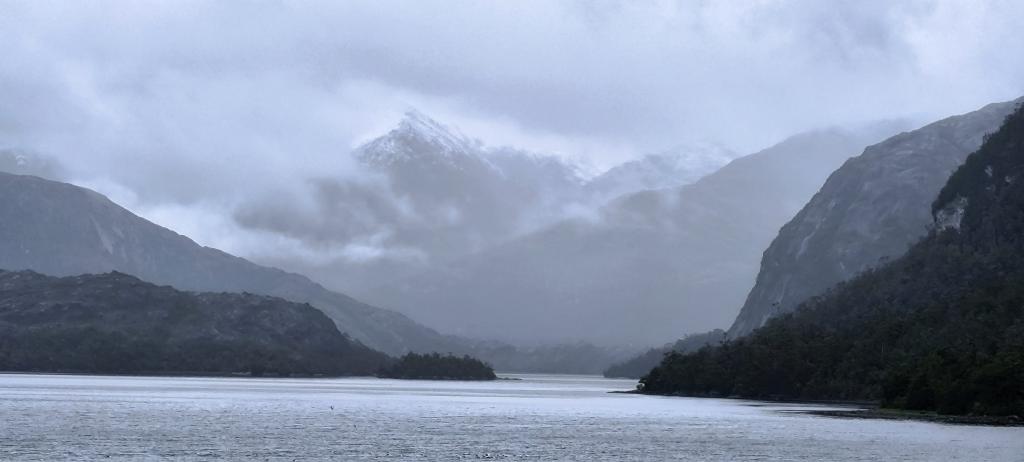

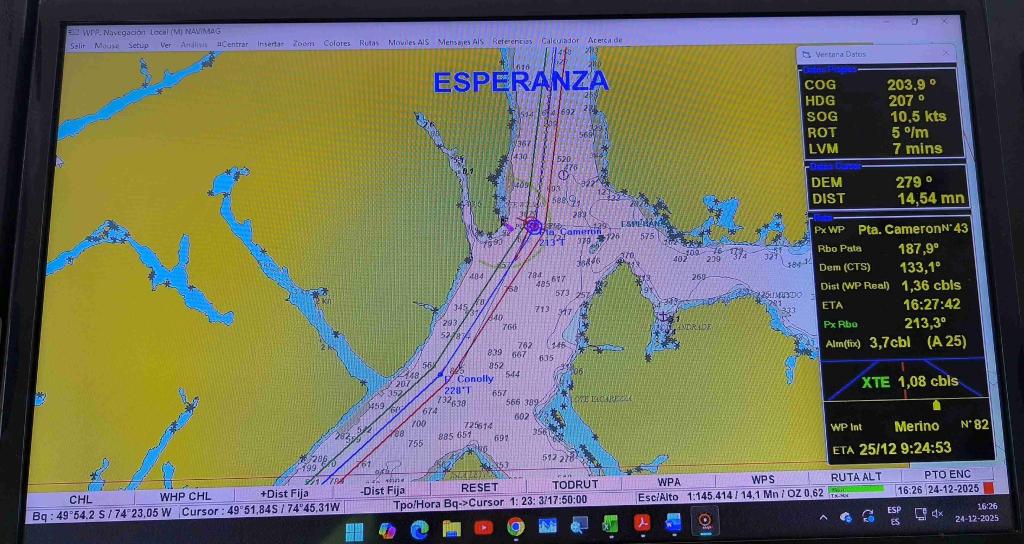
At times, the ferry has to navigate extremely narrow channels, some with only a 2m draft clearance. The ferry consumes 13 tons of marine diesel a day, travelling at 10 knots in the night and 15 knots during the day.


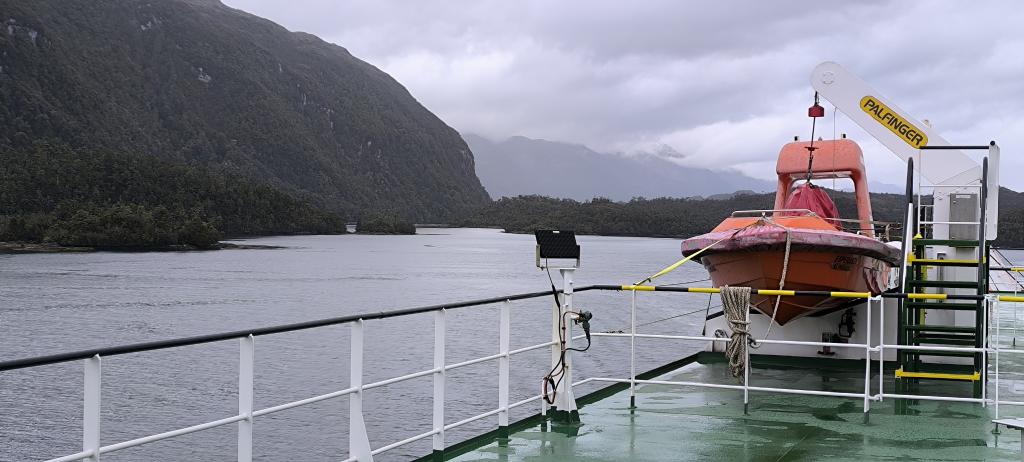
Hopefully there will be no need for this
On Christmas day, we anchor off Puerto Eden and are visited by another Santa, bringing into question my childhood belief of only one Santa.

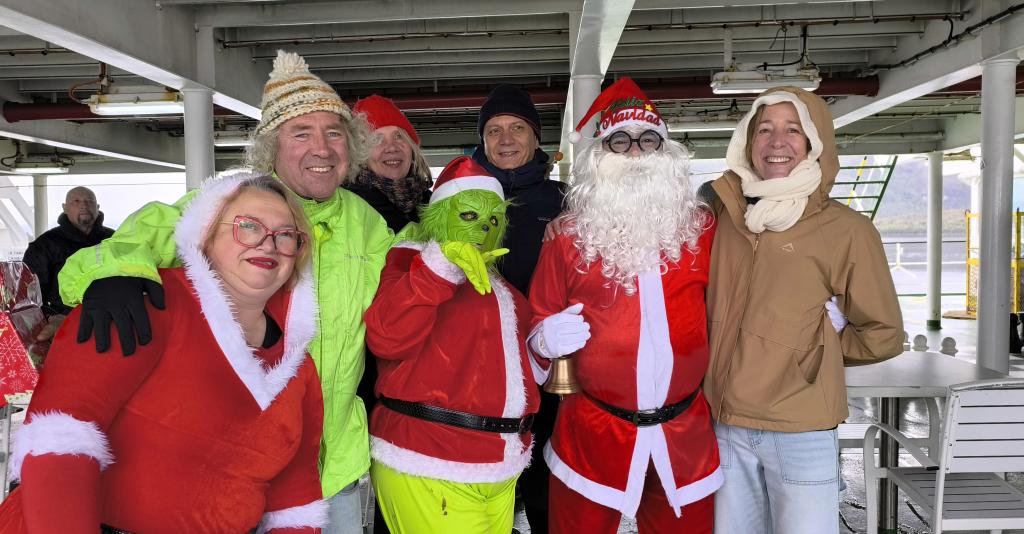
And yet another blow. That Christmas Grinch and I have something in common. Linda does her best Santa beard impersonation
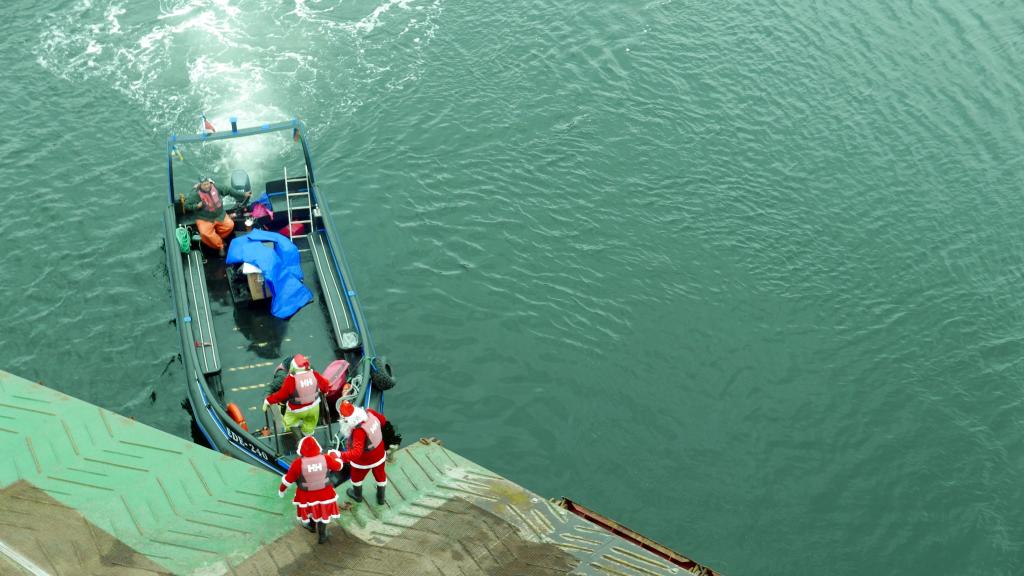
Santa leaves via the Ferry’s loading ramp
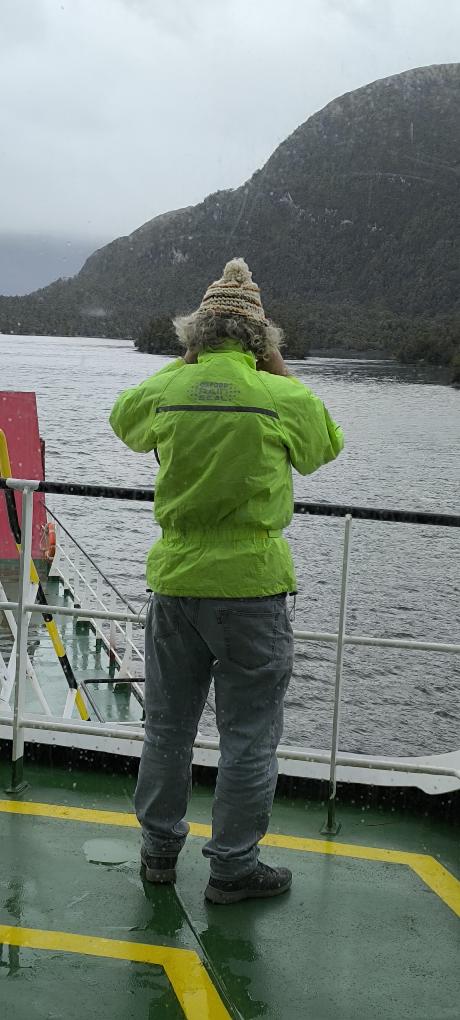
And there’s a new Santa in Town.
These fjords have been navigated for over 7000 years by the nomadic Kawesquar people, and Puerto Eden was one of their homes.
It does not get more isolated than this: you can only reach the village by boat, and it takes at least 24 hours to get there. There are no roads, only wooden walkways, and electricity is only available for a few hours every day.
Its population of about 100 includes the 12 remaining full-blooded members of the Kawéskar tribe.
Linda will do a post on the various tribes shortly
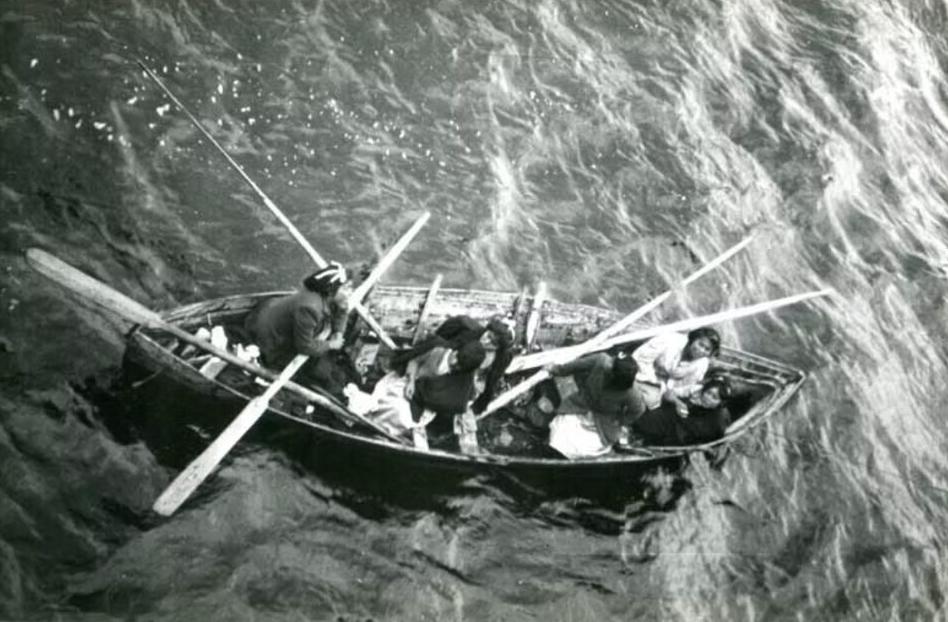
Kawesquar.- Puerto Eden

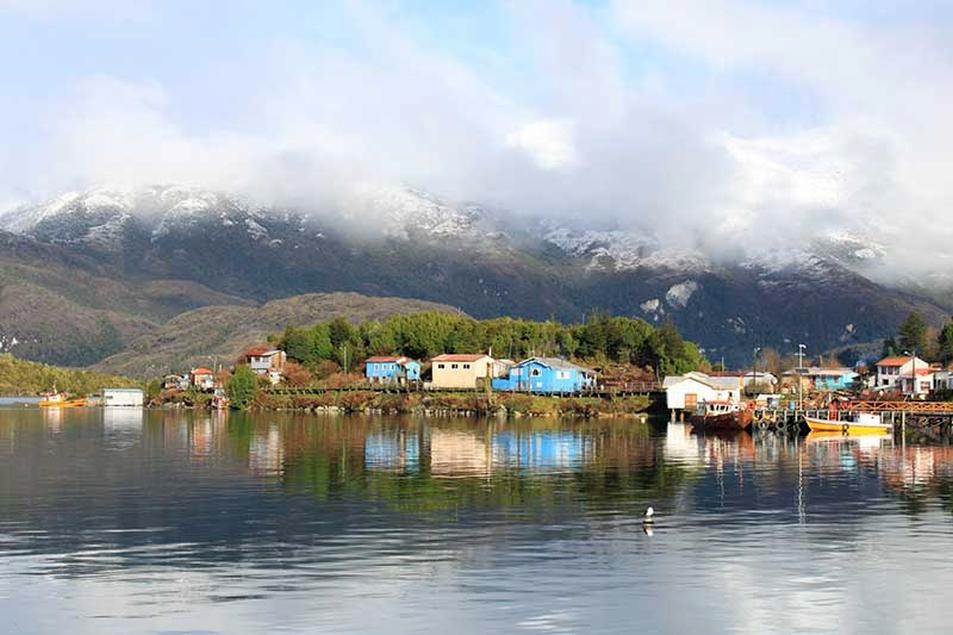
Puerto Eden is the only human-inhabited settlement at this latitude.

The villagers survive off the water & sell fish, mussels and shellfish products which are taken to markets by a weekly transport boat
In the Messier Channel lies the wreck of the steamship Cotopaxi . Travelling from Liverpool to Valparaiso in 1889, she struck some rocks and sank below the water.
In 1968, the merchant ship “Capitán Leónidas”, after illegally selling its cargo of sugar in Argentina, decided to intentionally sink itself to collect an insurance payout. Unfortunately, it ran aground on the same shoal and on top of the Cotopaxi, so it never sank, and the scheme was uncovered. Currently, it serves as a navigational beacon and landmark for sailors, as well as a habitat for local wildlife.
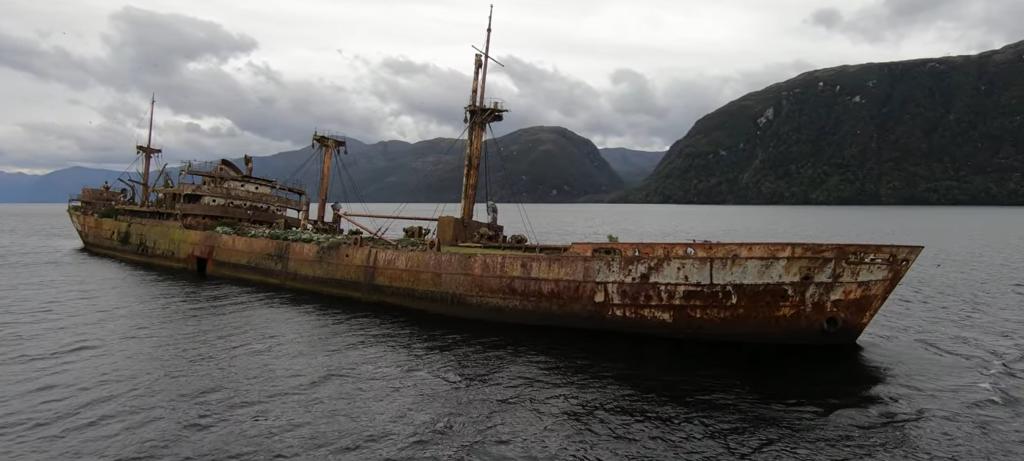
The Capitán Leónidas
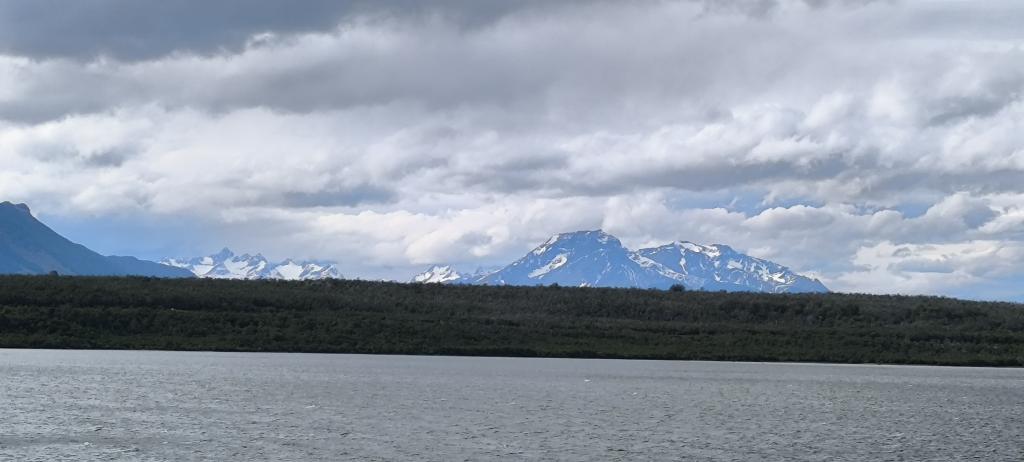
A few days later
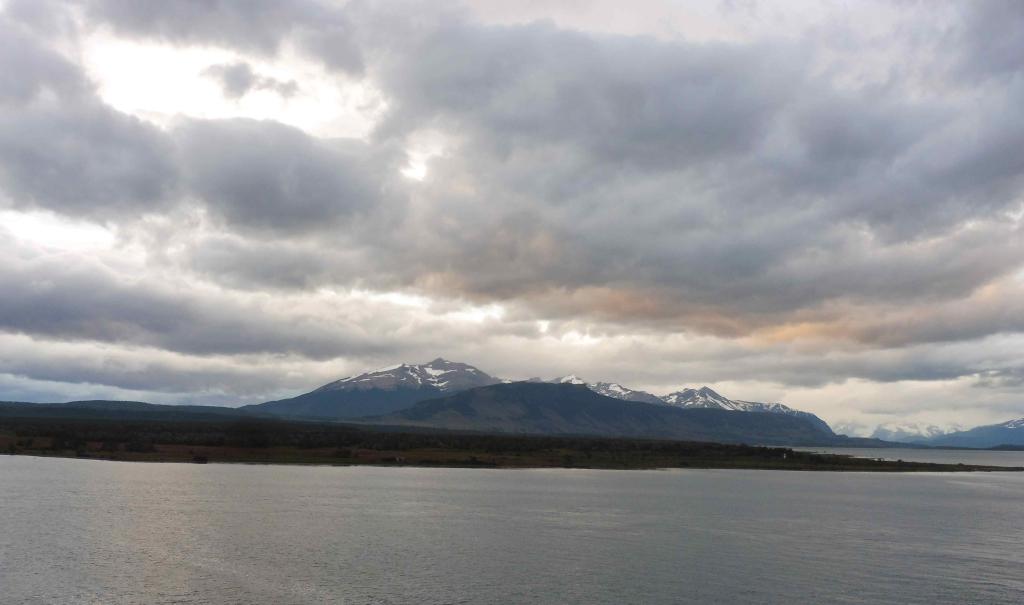
around that corner
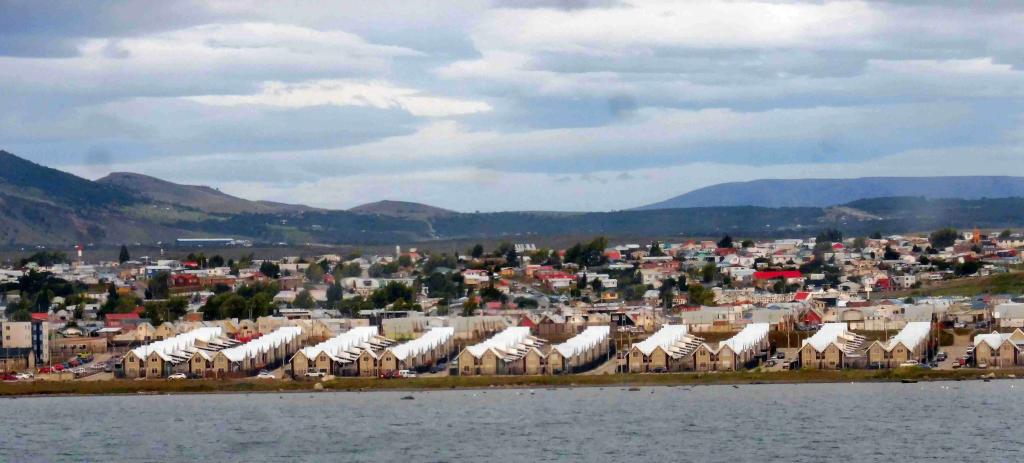
Puerto Natales, where we will disembark

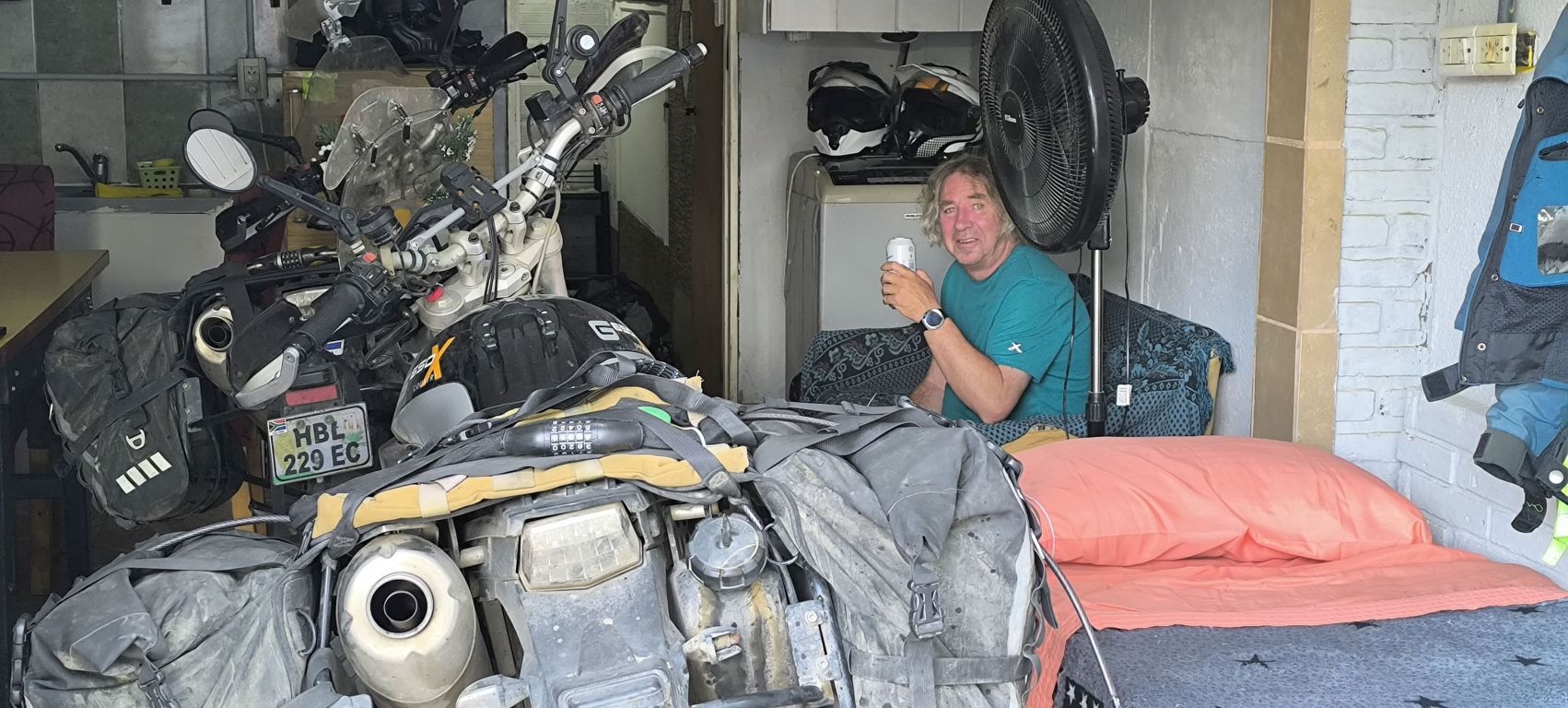
We will miss the warmth of the ferry.

It makes one lazy very quickly.
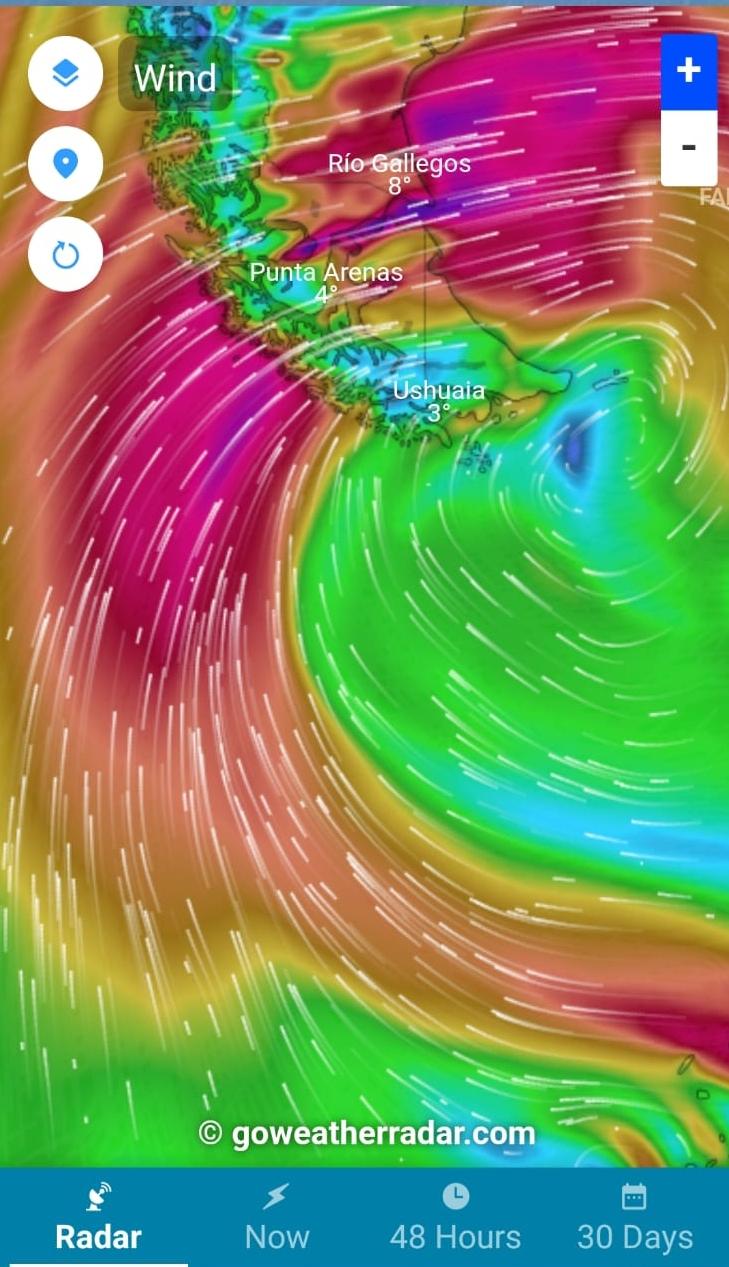
Next stop Punta Arenas, in a howling gale

Feliz Navidad Santa. Hang in there. Ushuaia is still some way away.


Oh Wow! So cool to experience/”see” places few tourists go… Thanks for taking us along.
Thank you for this.
As a fellow biker it is refreshing to see the essence of what travelling should be- one of discovery.
There are so many blogs , Facebook and other short attention span postings from riders who value testosterone above all else with pictures of 1000 mile stares into vistas they think they are the first to conquer. The world has been discovered by others before us. It’s what we discover on our own personal journeys that sets one apart.
Clearly you two understand this fundamental! Thank you!!!
Wow! Harold and Linda what an awesome experience and I am sure at that moment you felt very uncomfortable but when you sit back and talk about the memories that will just be forgotten but the good parts will remain.
I had not realised quite how bad the delays were but the ferry trip is so so worth it. Scenery quite fabulous. Your maps were truly appreciated .The fuel used, the knots moved at and the one of the of the winds not too mention Tsunami warning. Just as well I did not think of that to add to all the hazards!!! This certainly was a trip like no other
The story (true) of the wreck was fascinating. And the baddies were caught in their own misdoing!!!
Enjoyed every moment of this blog as always, just fantastic!!!
Set the scene perfectly as always
Thank you for sharing your travels
Fantastic Blog there Harry . What a memorable trip. It brought back some memories when I did same trip (on foot) over Christmas 1990 something. Long time ago. How my memory has faded !