
‘Terra del Fuego’ means ‘Land of Fire’. It’s those fragments of land that cling onto the tip of South America.
Why, ‘Land of Fire’? Snow caps everything!
But that’s what Magellan names it. When he discovers his Strait. His Strait of Magellan that slips through and skips the treacherous Cape Horn. All he sees, on the other side, are little fires. A Land of Fires. Little fires dot the shores. They line the coves. And flicker on the water. Fires kept alive by its first peoples.
It’s hard to imagine. Four indigenous groups are there, then. The Kawésqar, the Yaghan, the Haush and the Selk’nam. And we’ve never heard of them before.
And it’s no wonder. There are few, if any, descendants alive today.
We gather snippets, from the museum in Ushuaia, and internet searches. Yes, for thousands of years, these first peoples adapt to the harsh, cold climate here. The Kawésqar wear seal furs. Yaghan wear very little, but use animal oils. They are hunter gatherers and coastal foragers. Sea lions, stranded whales, penguins, fish and shellfish, sustain them. And the Guanaco; the wild Llama. Each group owns a distinct language and a spiritual system. They fashion canoes out of tree bark. And they keep those fires burning; even on their canoes. A pile of sod, sand and clay creates a fireproof base in a bark canoe. Astonishing.
No wonder Magellan calls it the ‘Tierra del Fuego’, the ‘Land of Fires’.
But what follows Magellan, snuffs them out. By the 19th century, Europeans arrive in large numbers. And indigenous groups face extinction by the early 20th century. Today, they call it a genocide. It’s a range of new diseases that takes them. First measles, then pneumonia and tuberculosis. But it’s the sheep farming boom that is the final straw. Sheep farms overrun the Tierra del Fuego in the 1870 and 1880s. They push out the natural food sources, like the guanaco (the wild Llama). And indigenous people start to hunt sheep. By the 1880s ranch owners offer bounties for heads, hands and ears of indigenous people. The blubber of stranded whales is poisoned. Reservations and missionary stations follow. And the discovery of gold brings even more conflict and violence. Numbers drop from thousands in 1850 to a few hundred in 1910. The last full-blooded Yaghan and native speaker, Christina Calderon, dies in 2022.
But before this, there is an even sadder story. This story belongs to Jemmy Button. A Yaghan, born “Orundellico” in Tierra del Fuego in 1815. In 1830, Captain FitzRoy, in command of the HMS Beagle, takes 4 young Yaghans hostage. FitzRoy intends to take them to England to educate and Christianise them. Their purpose is to return home later and improve the conditions of their kin. The crew call Orundellico, “Jemmy Button”, as FitzRoy buys him with a pearl button. The others they call “Fuegia Basket”, “Boat Memory” and “York Minster”. The 4 Fuegians are curiosities and become celebrities in England. Three years later FitzRoy returns the surviving 3 to Tierra del Fuego. There, Jemmy Button sheds his European clothes and customs.
This return voyage is again on the HMS Beagle. And fancy! This time, Charles Darwin, the young naturalist is on board too. Darwin records his interactions with Jemmy Button and the other Yaghan. And describes them as “the least civilised race on earth”. Later in life, Darwin, admits that Jemmy and the Yaghan are after all “a superior adaptation to their harsh environment than the European or ‘civilised’ alternative”. In my book; ‘a spectacular evolution’!
A similar lot befalls a group of 11 Selk’nam who are taken to Paris and London as exhibitions in ‘human zoos”.
But there is an awakening, and it brings a little relief. Isolated groups of descendants resist the historical narration of their extinction. Small numbers of individuals start to identify as Fuegians in national censuses. And a tiny community of 12 Kawésqar exists in the remote Puerto Eden.
But it’s not really a ‘Land of Fire’, anymore. So, rightfully, their ghosts haunt us as we ride through the ‘Tierra del Fuego’. It’s utterly cold, wet and windy when we are there. In summer! So, the survival feats of the Kawésqar, the Yaghan, the Haush and the Selk’nam chill us to the bone.
We have two nice days. And snap the timeless landscapes of the Tierra del Fuego, without a trace of its first peoples.
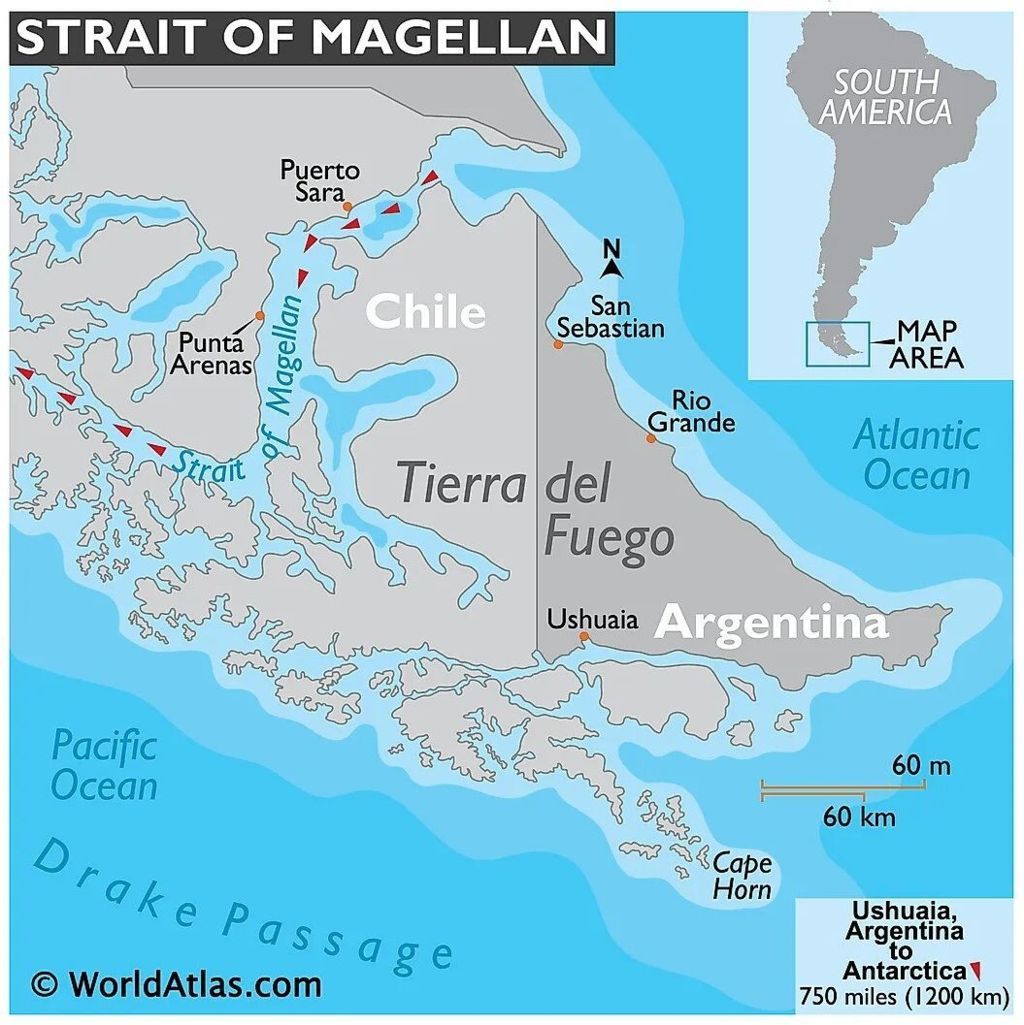
The Strait of Magellan is shown in red arrows. South is the fragmented Tierra del Fuego, the Land of Fire.
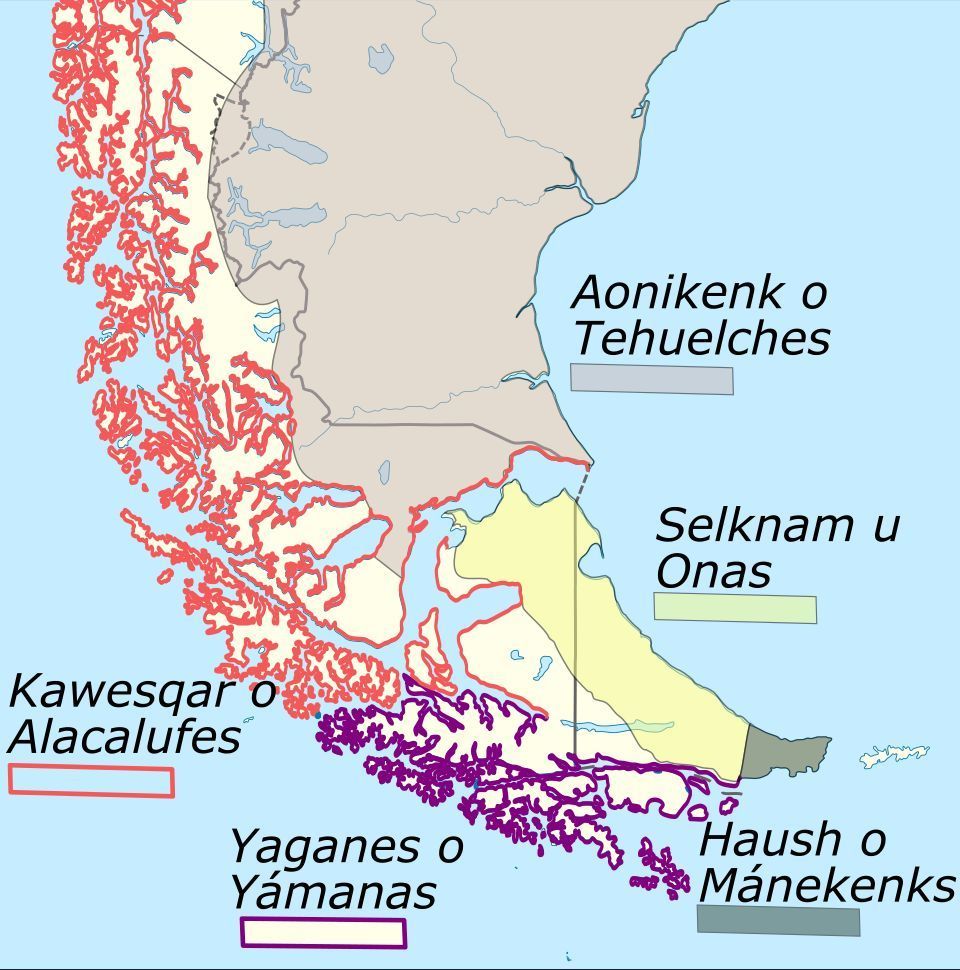
And here are the 4 indigenous groups that inhabited the Tierra del Fuego until the early 1900s.
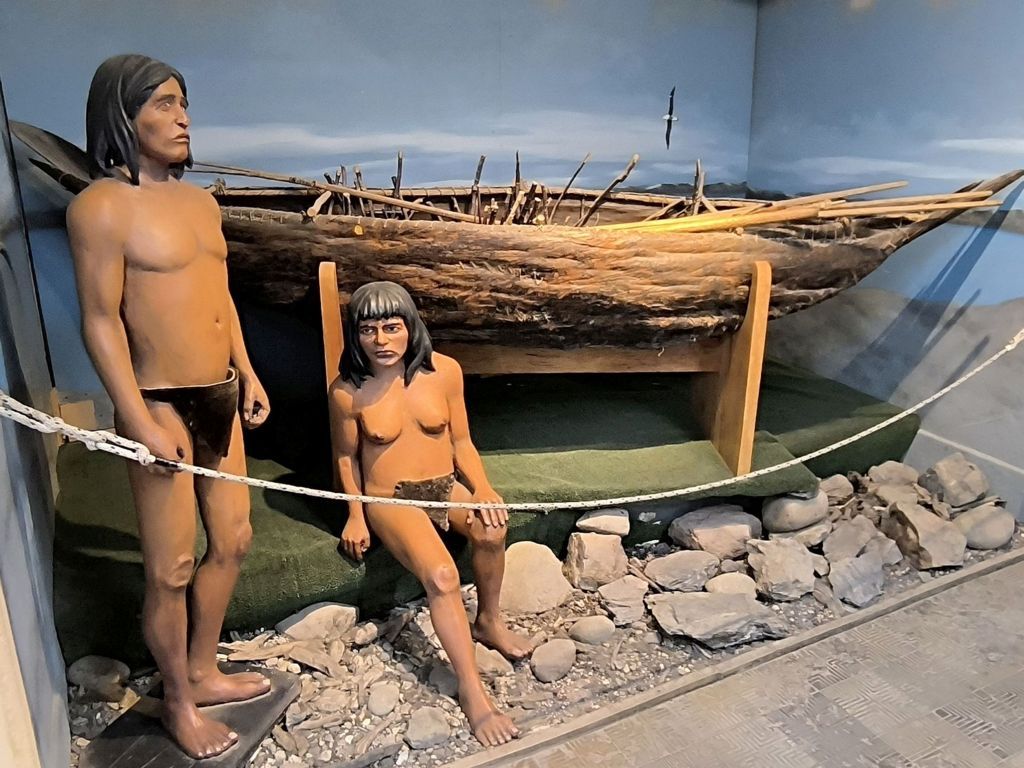
In a museum, in Ushuaia, there is a depiction of the Yaghan with a canoe made from tree bark.
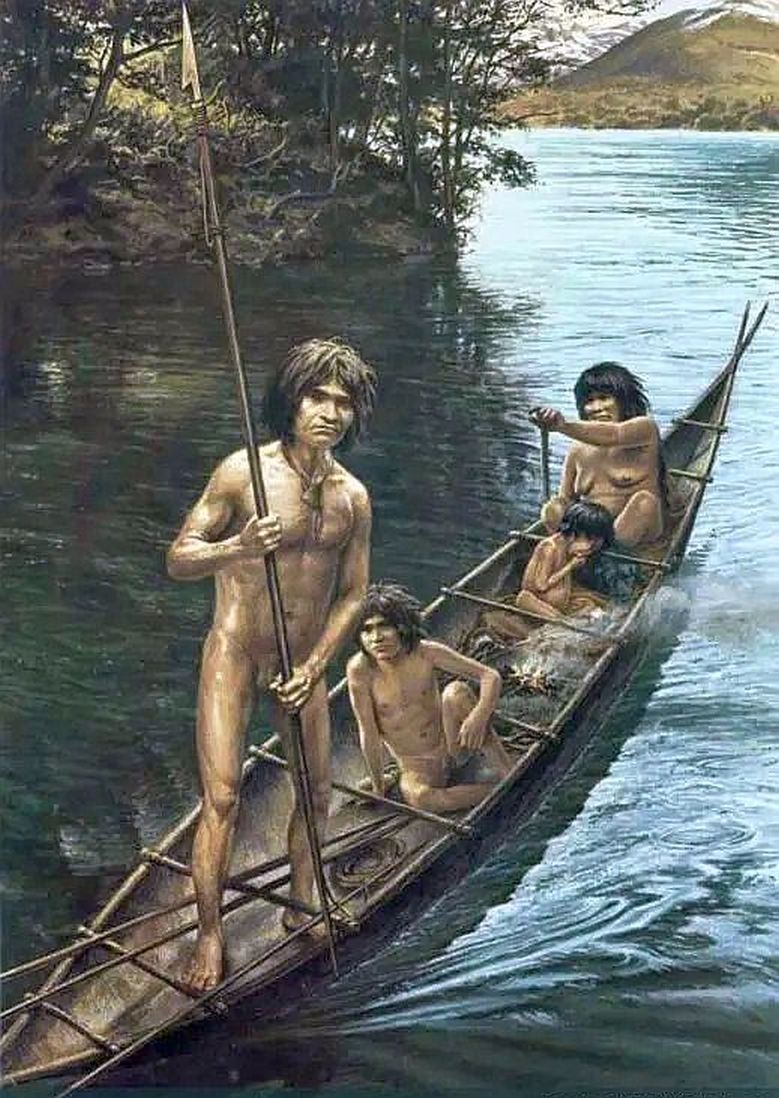
They keep fires burning, even on their bark canoes, to keep warm in this subpolar oceanic climate.

A young Yaghan boy next to a bark canoe.

A Yaghan couple.
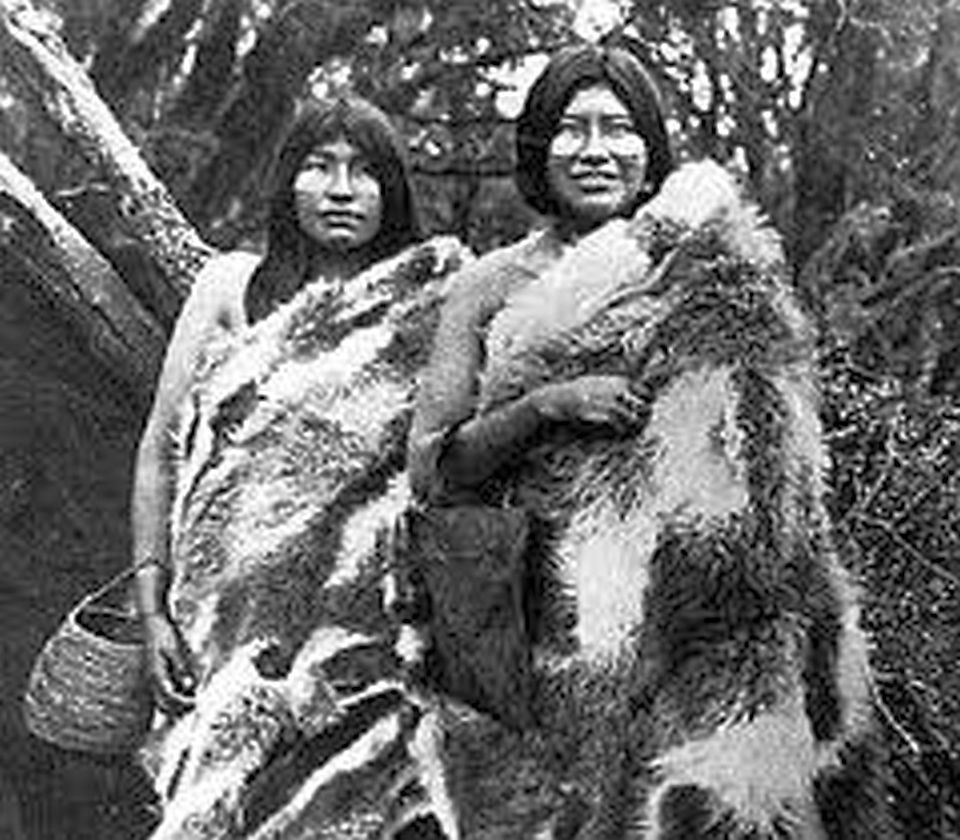
Two Kawesqar ladies in beautiful furs.
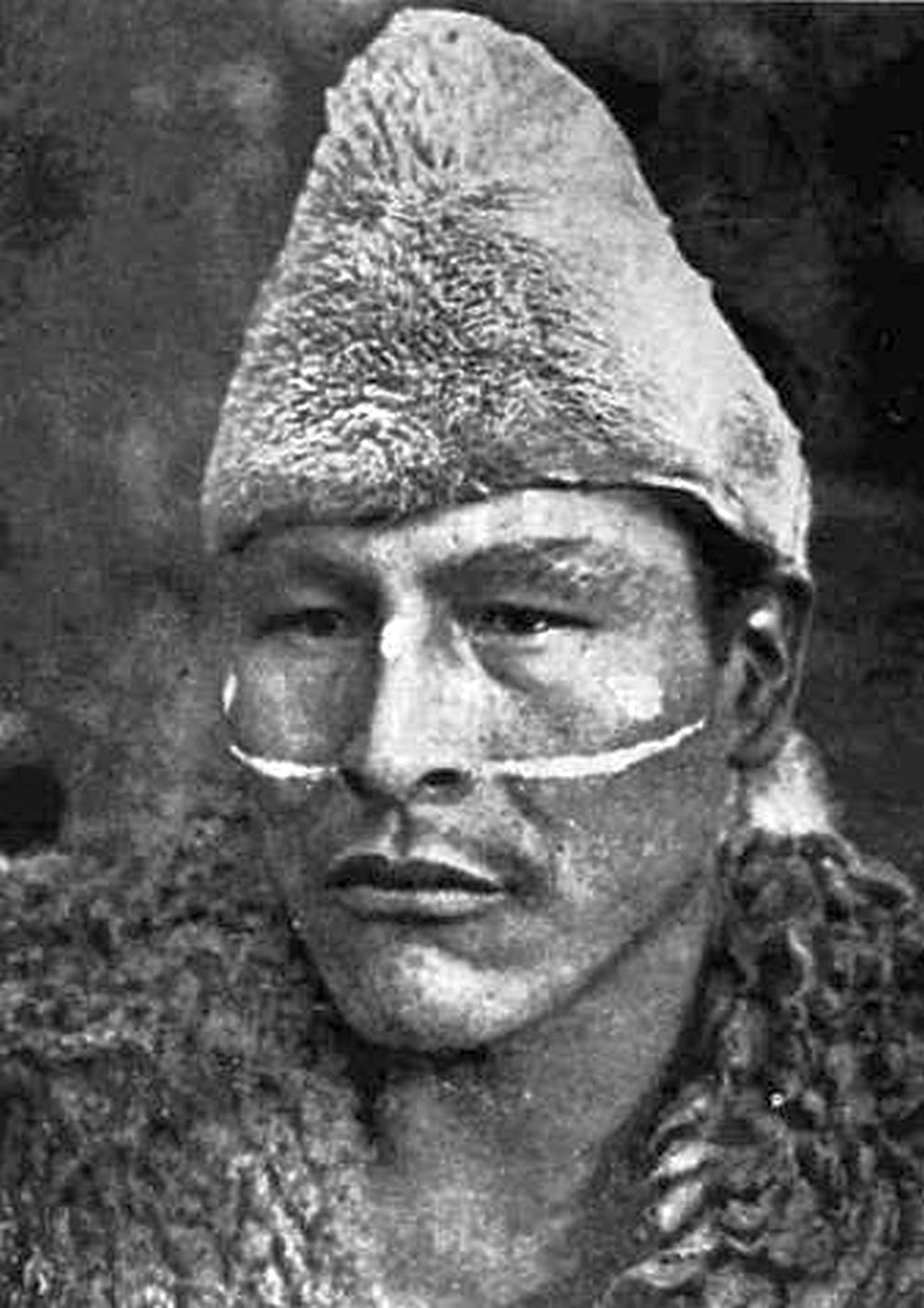
A Haush indian man …
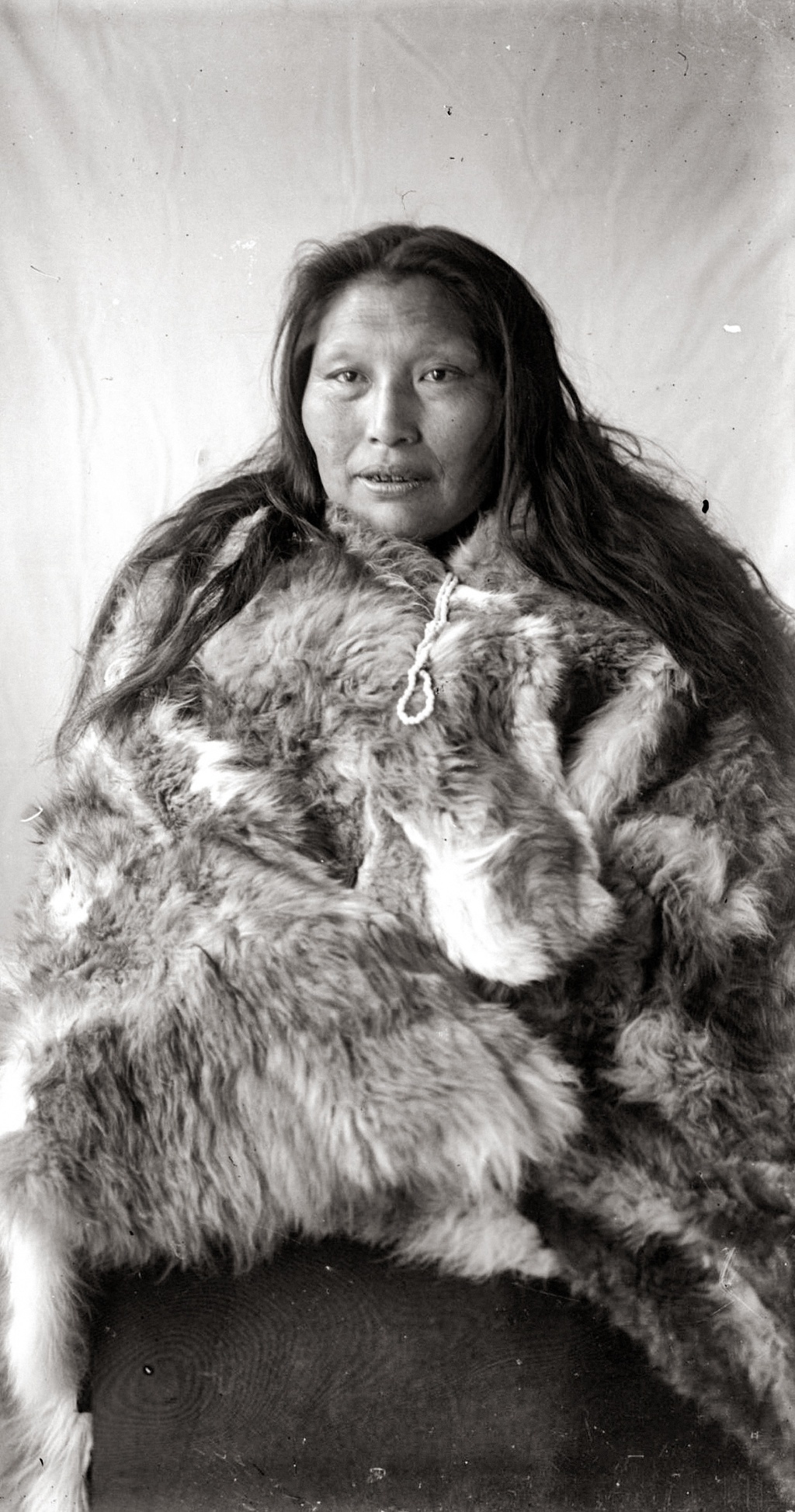
… and woman. Haush relied mostly on seals and sea lions for food and Guanaco skins for clothing.
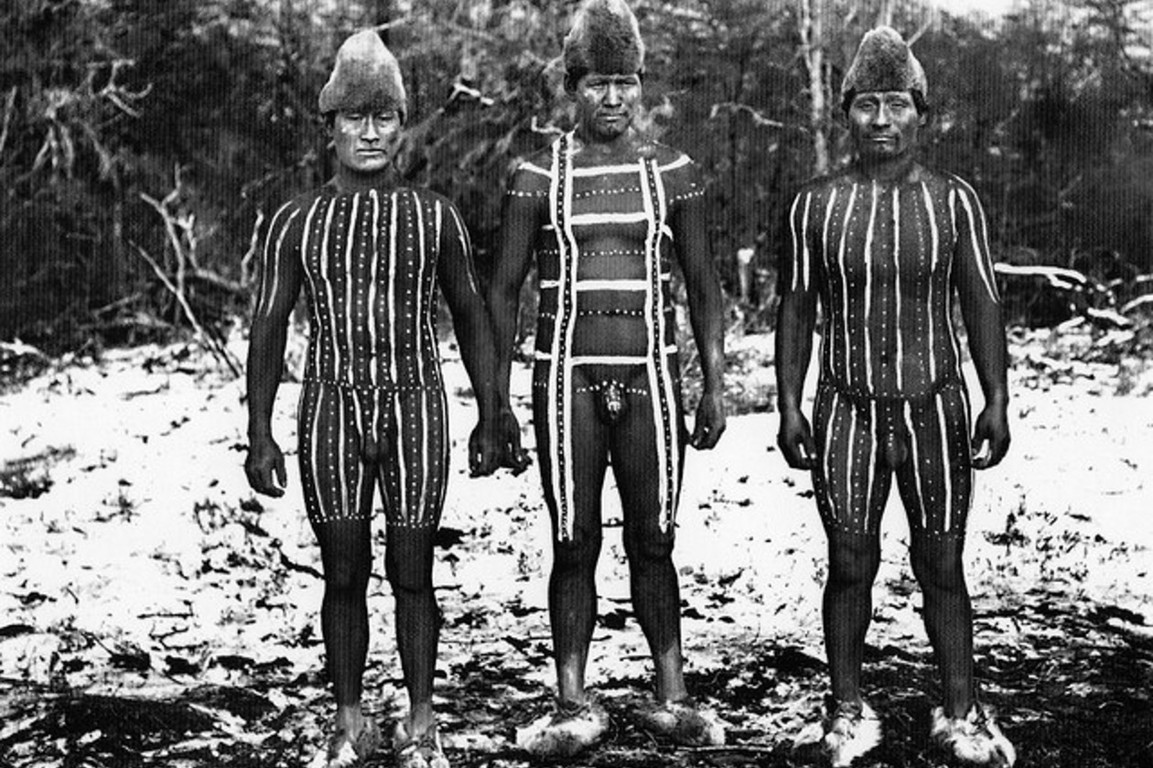
The Selk’nam are known for their tall statures, dramatic body paint and complex spiritual rites.

This depicts the rite of passage for young Selk’nam men.
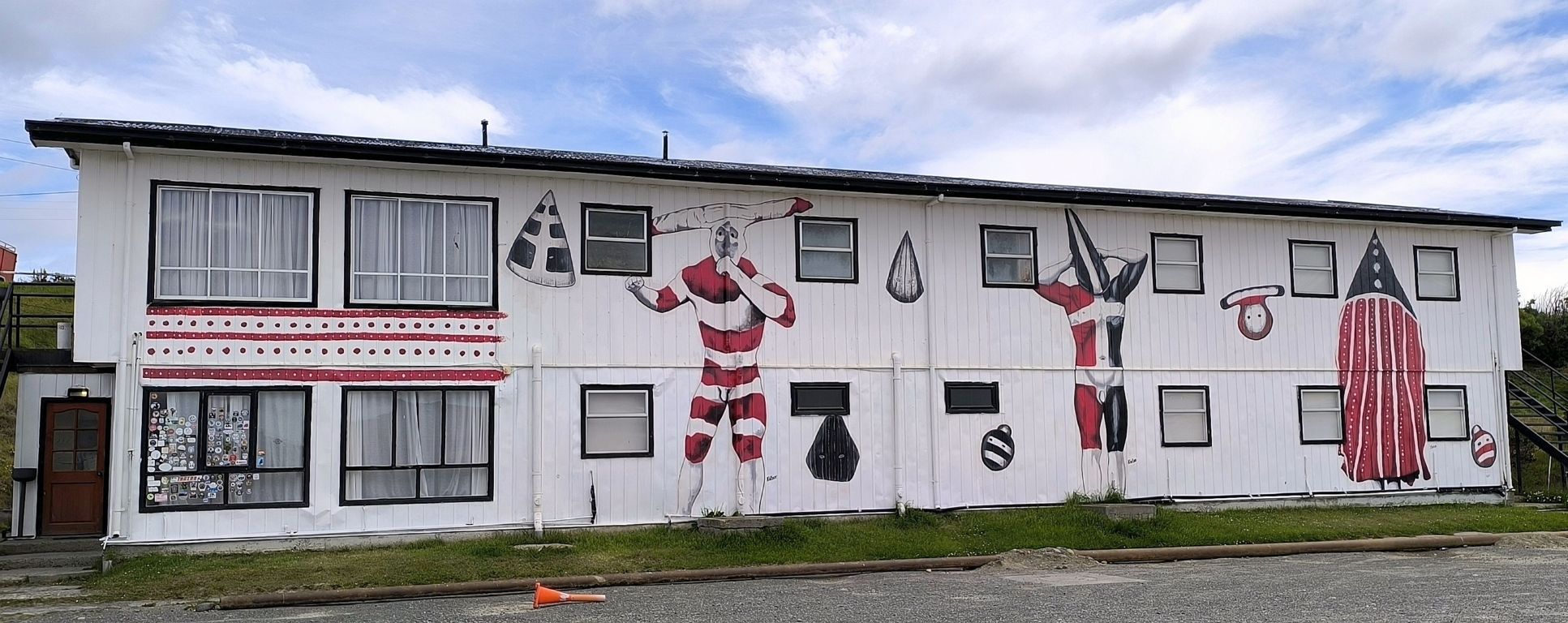
We overnight in this motel celebrating the Selk’nam tradition on its walls …
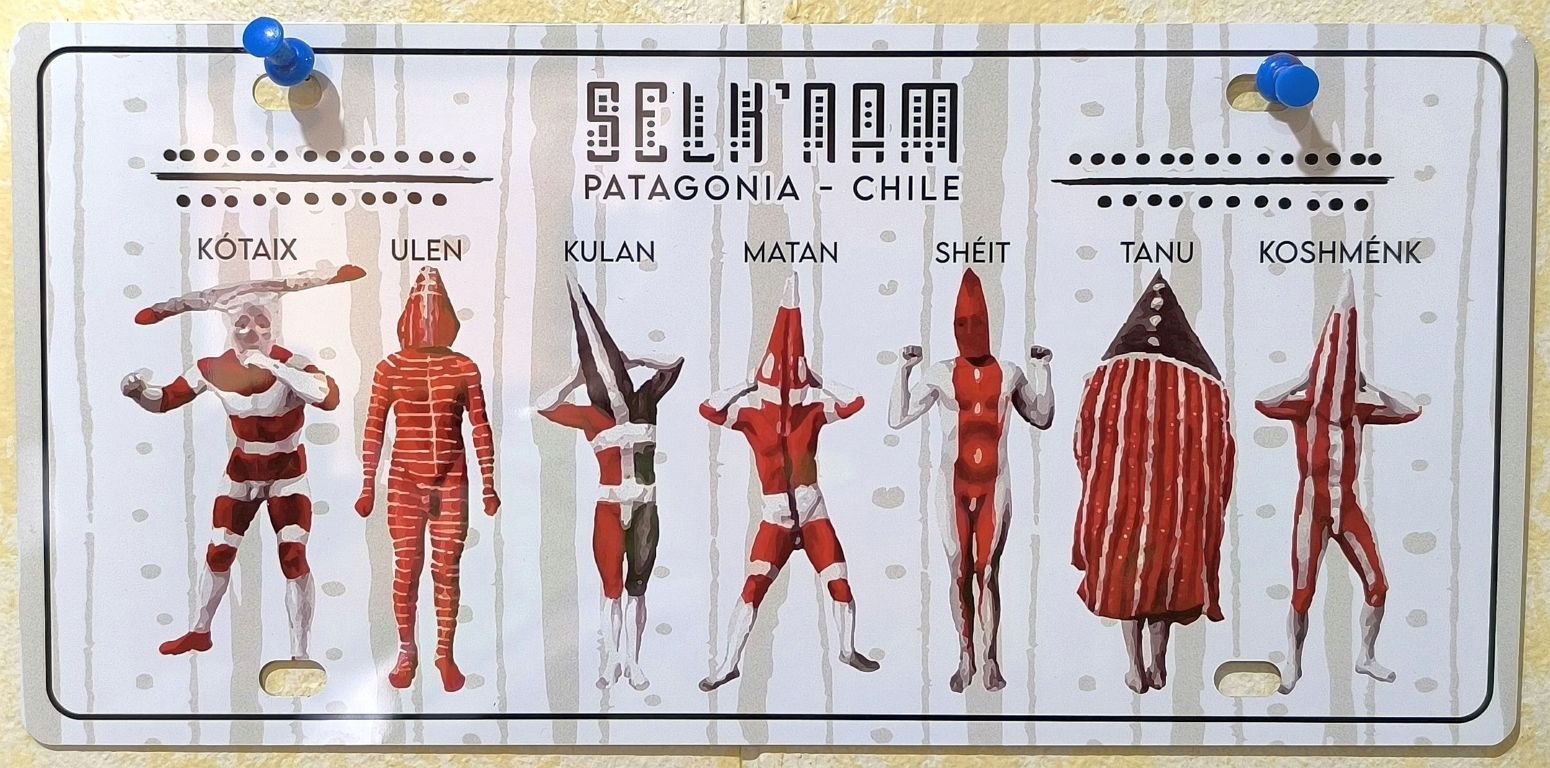
… and in its foyer.
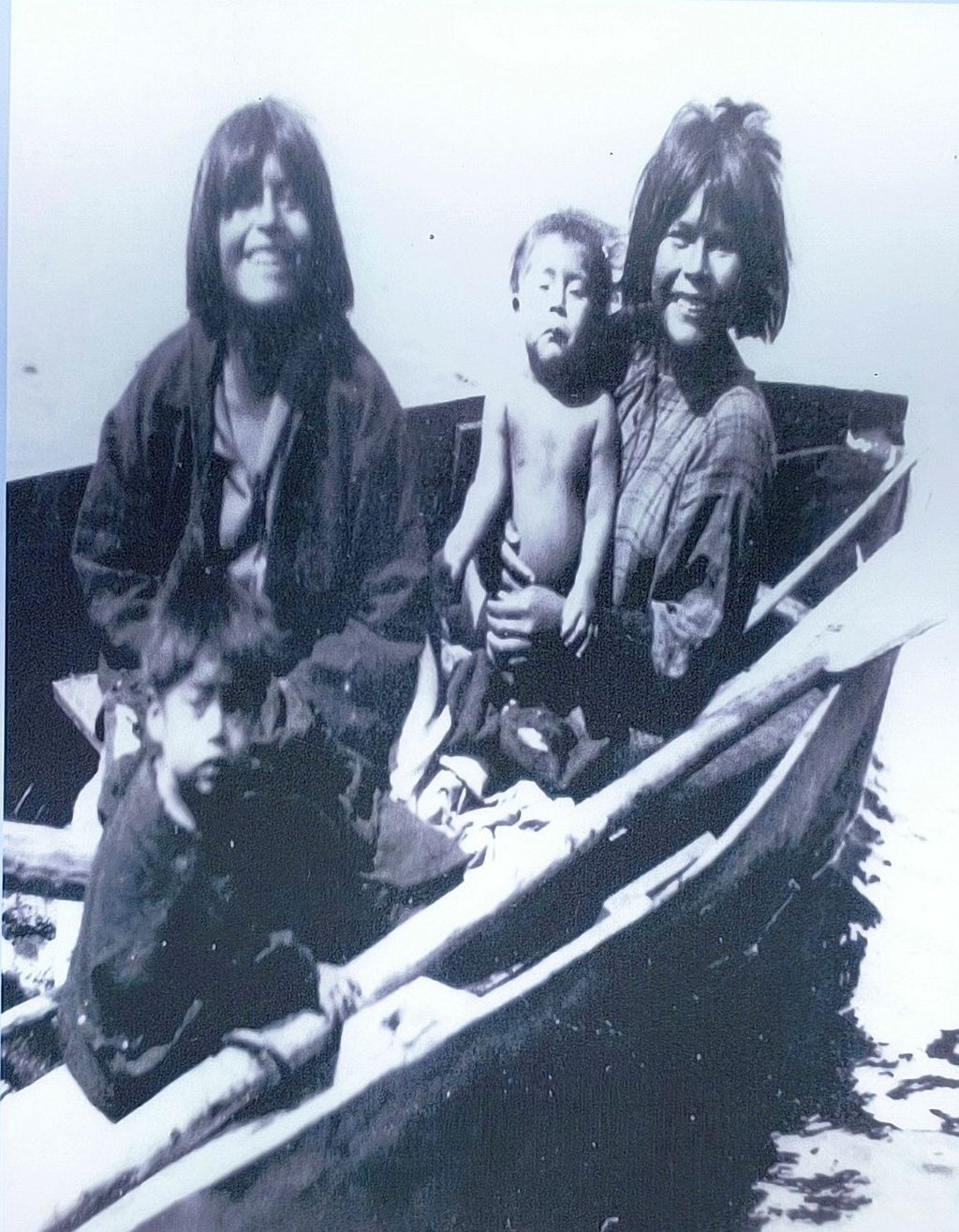
This photo shows the last group of canoe Fuegians seen in 1920.
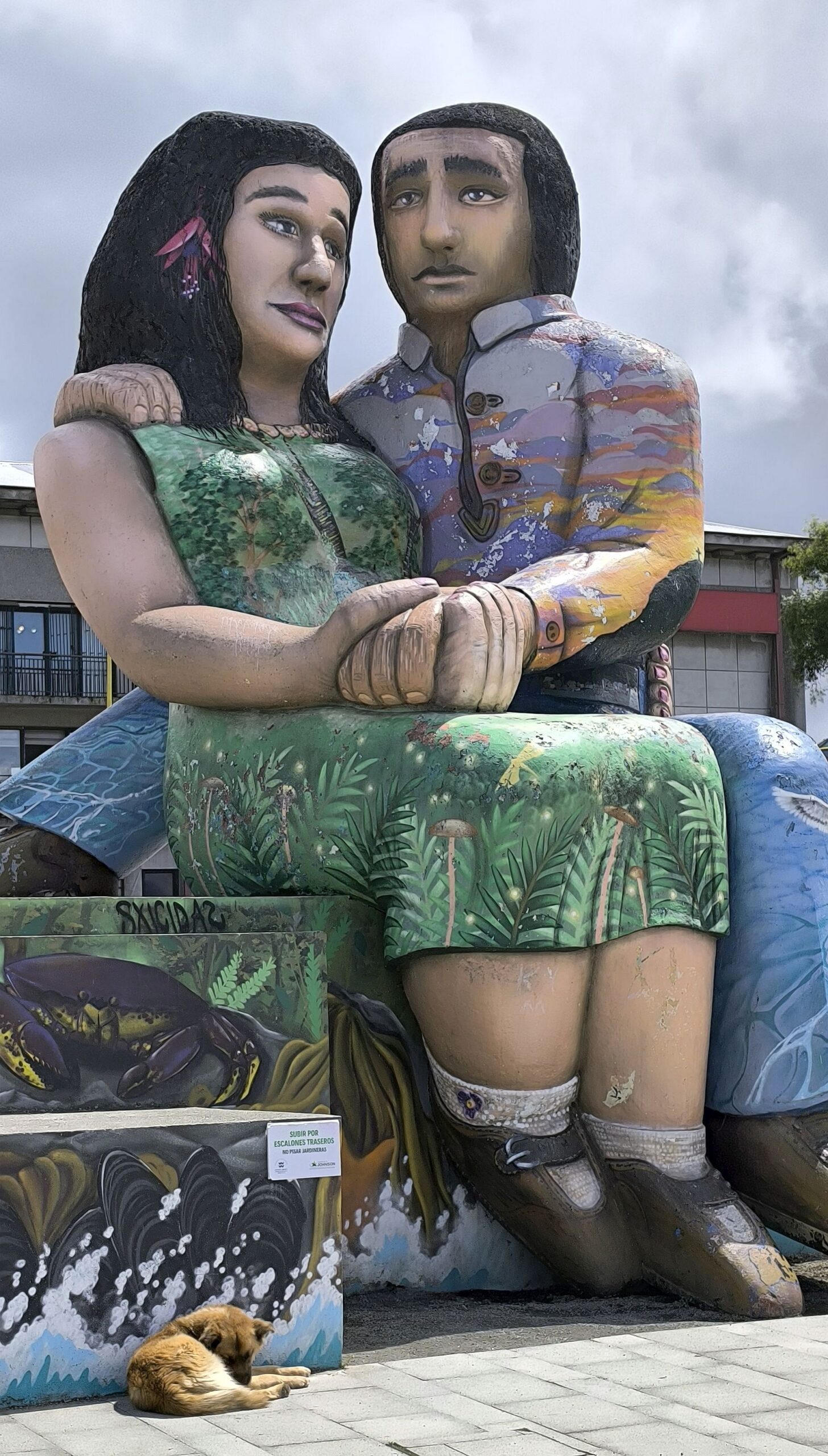
Here is a statue in Puerto Montt showing a Kawesqar couple in a warm embrace. See the dog in the foreground for a sense of scale.
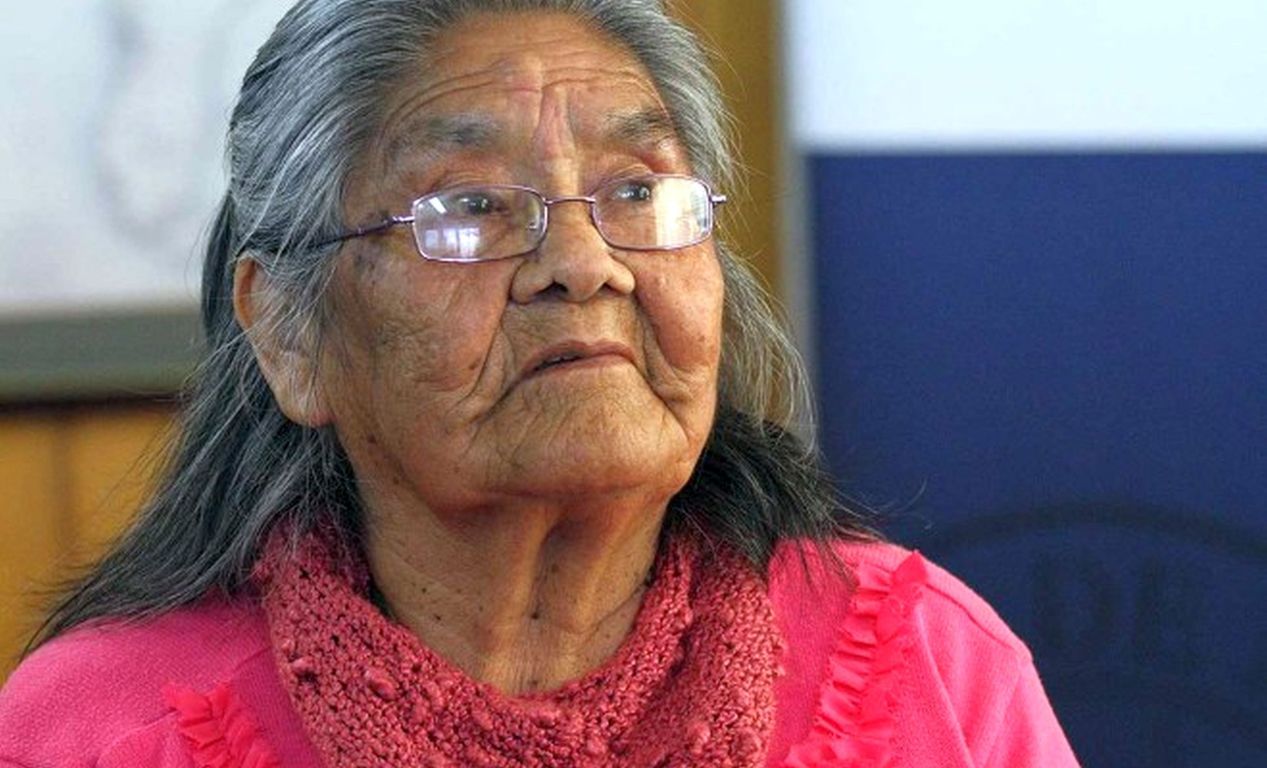
This is Christina Calderon, the last full-blooded Yaghan and native speaker who dies in 2022.

We make ready to cross the Strait of Magellan to get to the Tierra del Fuego. The Land of Fire!

Our bikes board this ferry at Punta Arenas; together with some truck-sized campers. It is hard not to be jealous!

It is one of our 2 fine weather days. And luckily, the Strait of Magellan is as calm as can be.
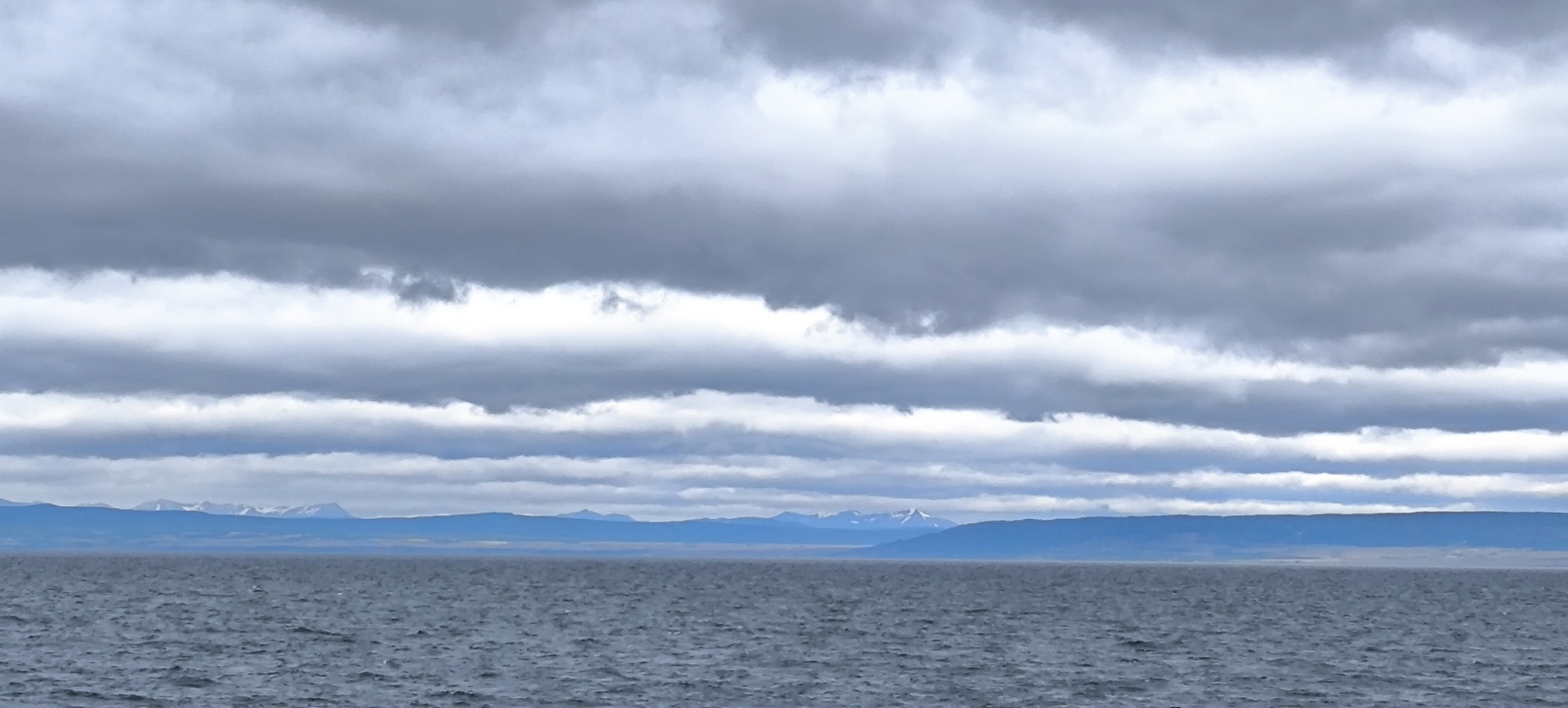
Tierra del Fuego is in the background. The Land of Fire. But there is not a single fire in sight anywhere.
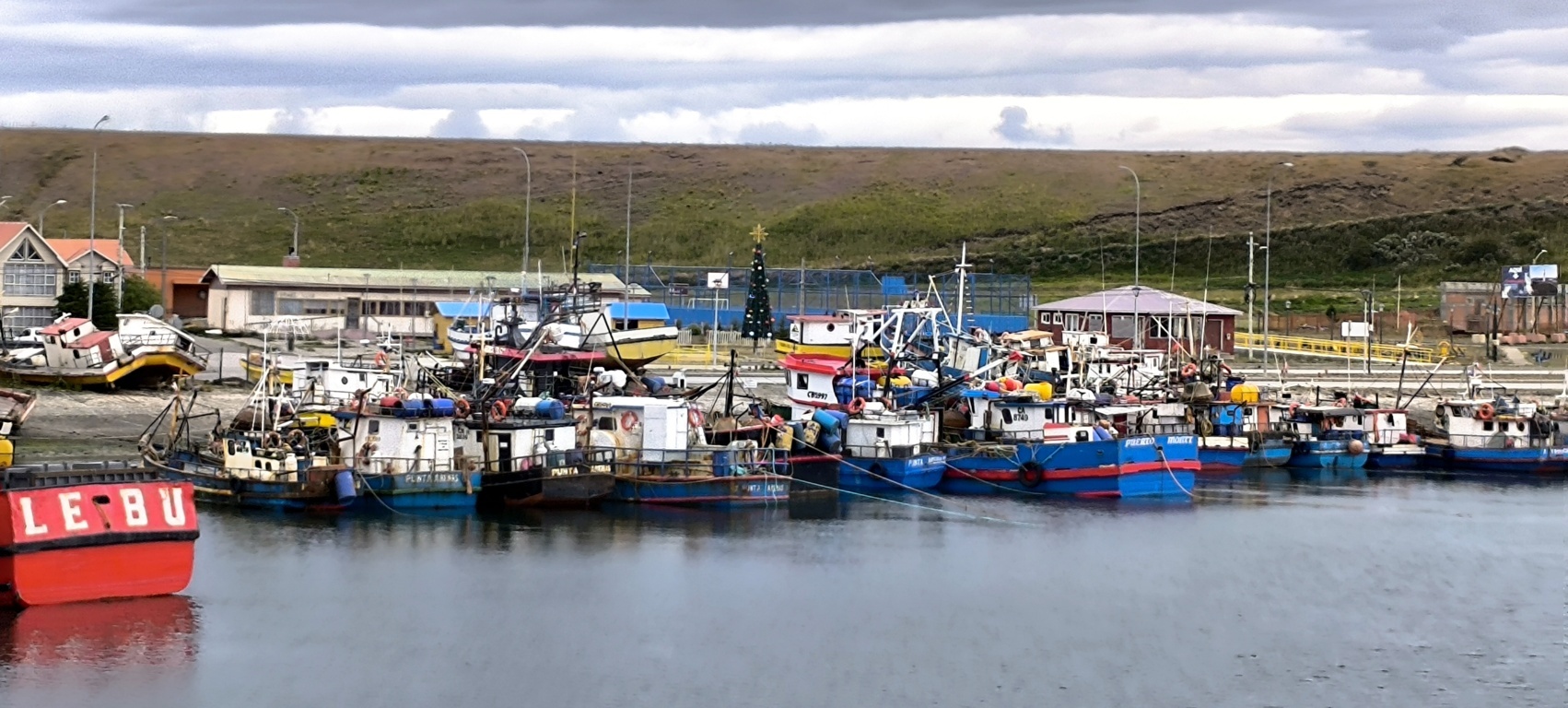
We disembark, at the small port of Porvenir, and set off to enjoy the Tierra del Fuego.

…
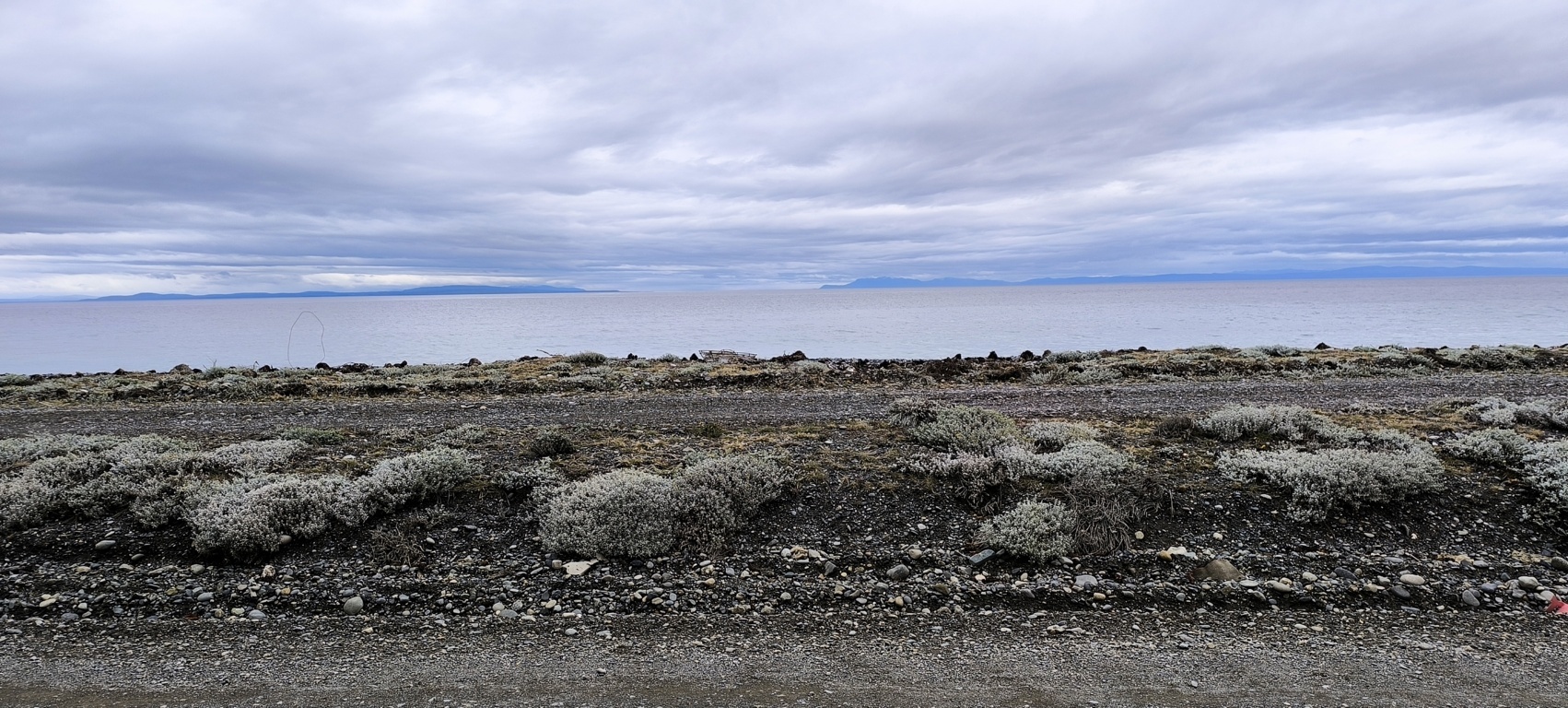
And this would be, where the indigenous groups would have hunted …

… and gathered.

…
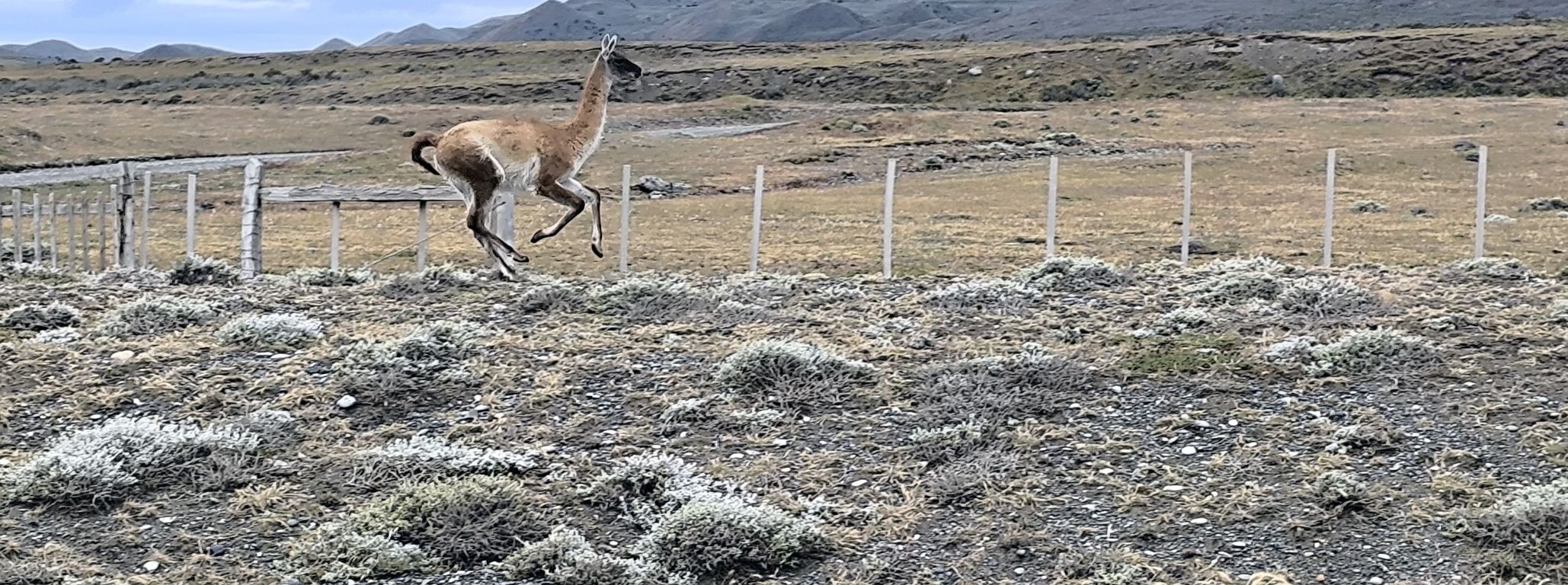
And then, from nowhere a Guanaco, a wild Llama, surprises us.
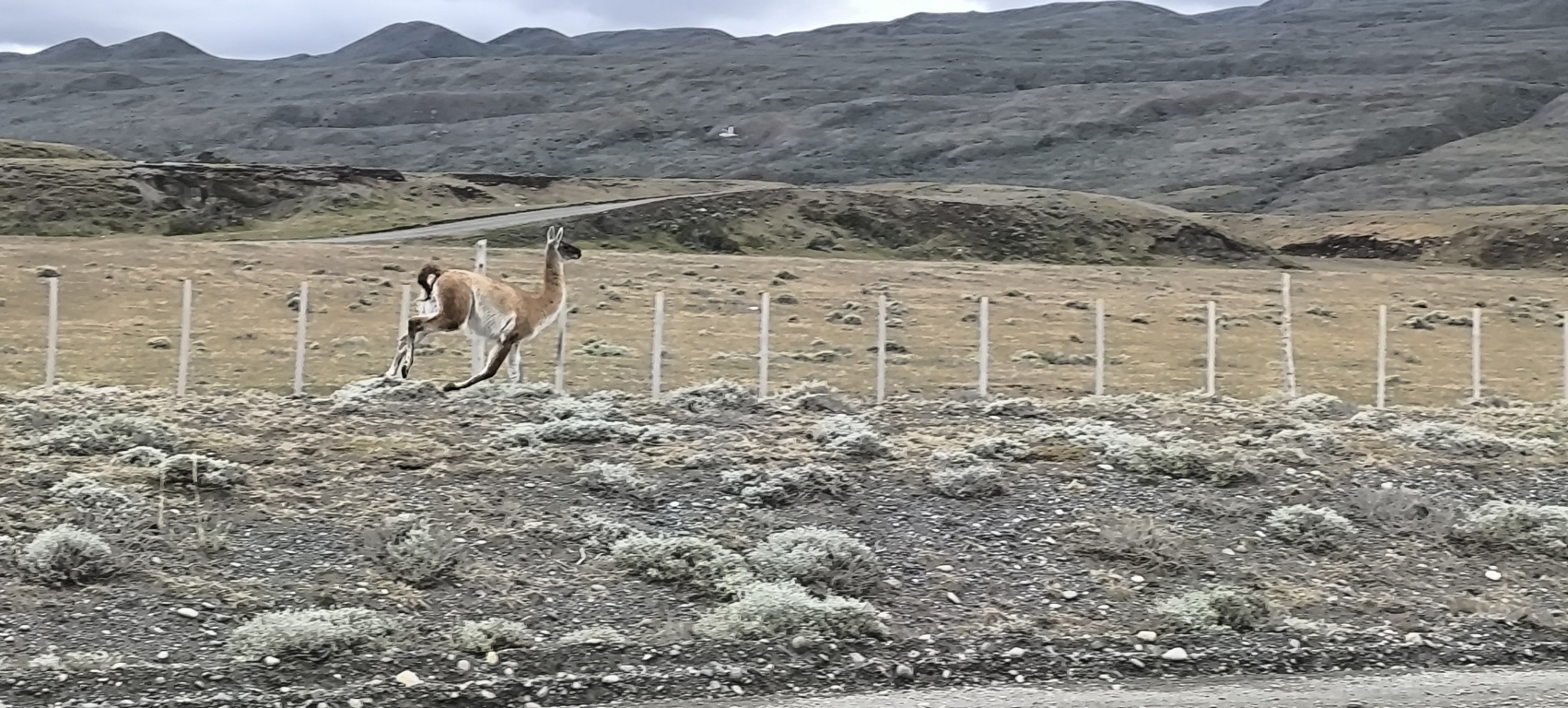
The Guanaco is a camelid that has never been domesticated.
…

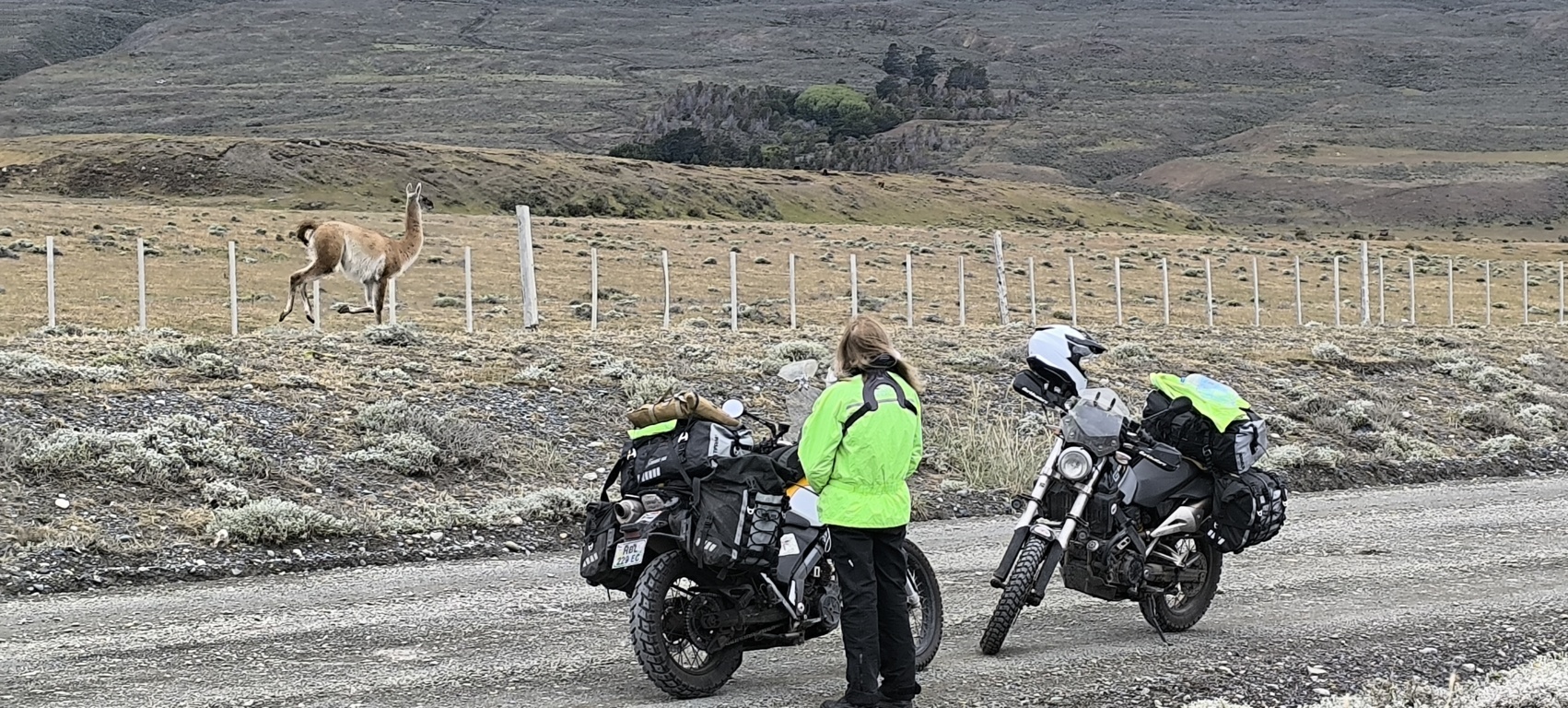
See how well they camouflage …

…

We see many herds, of about this size.

The colours are enchanting.
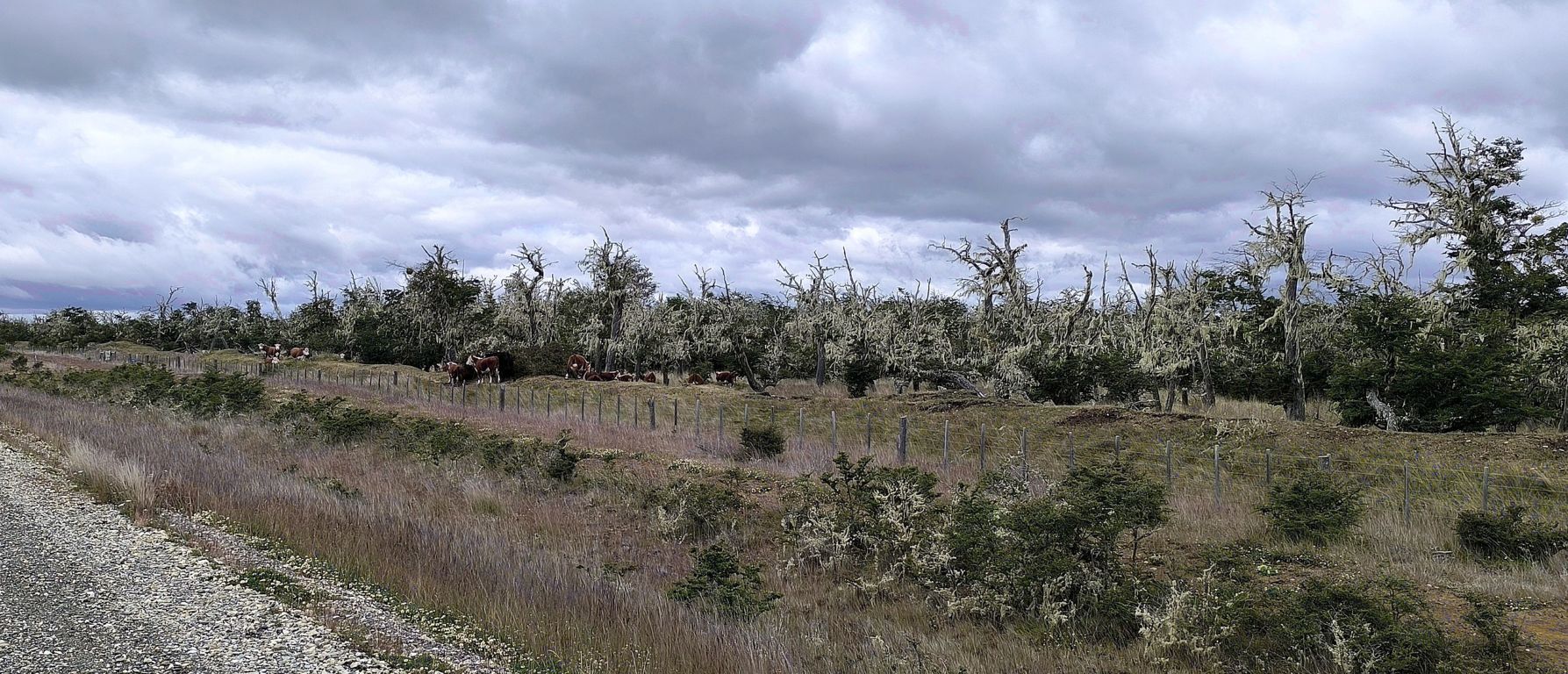
And the forests ….

… bewitching.
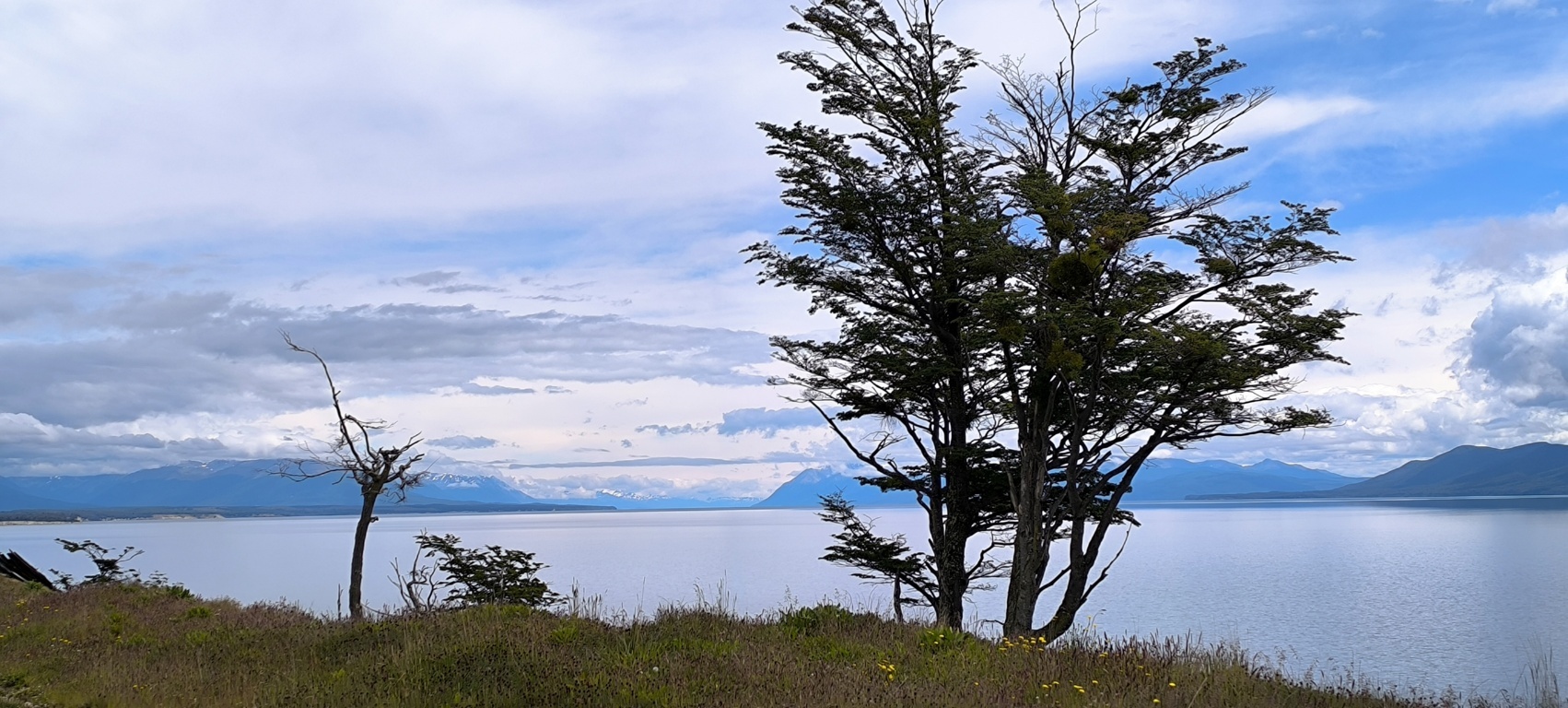
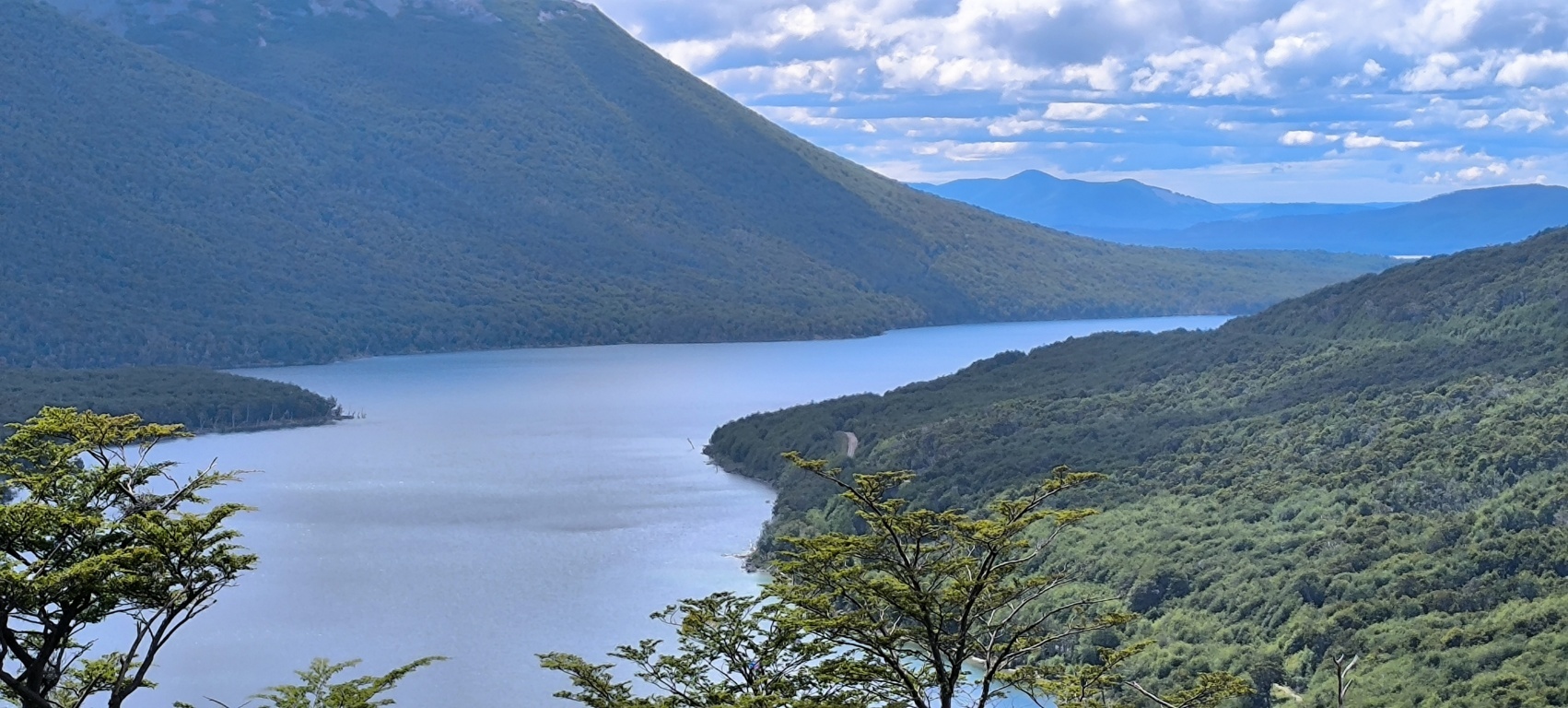
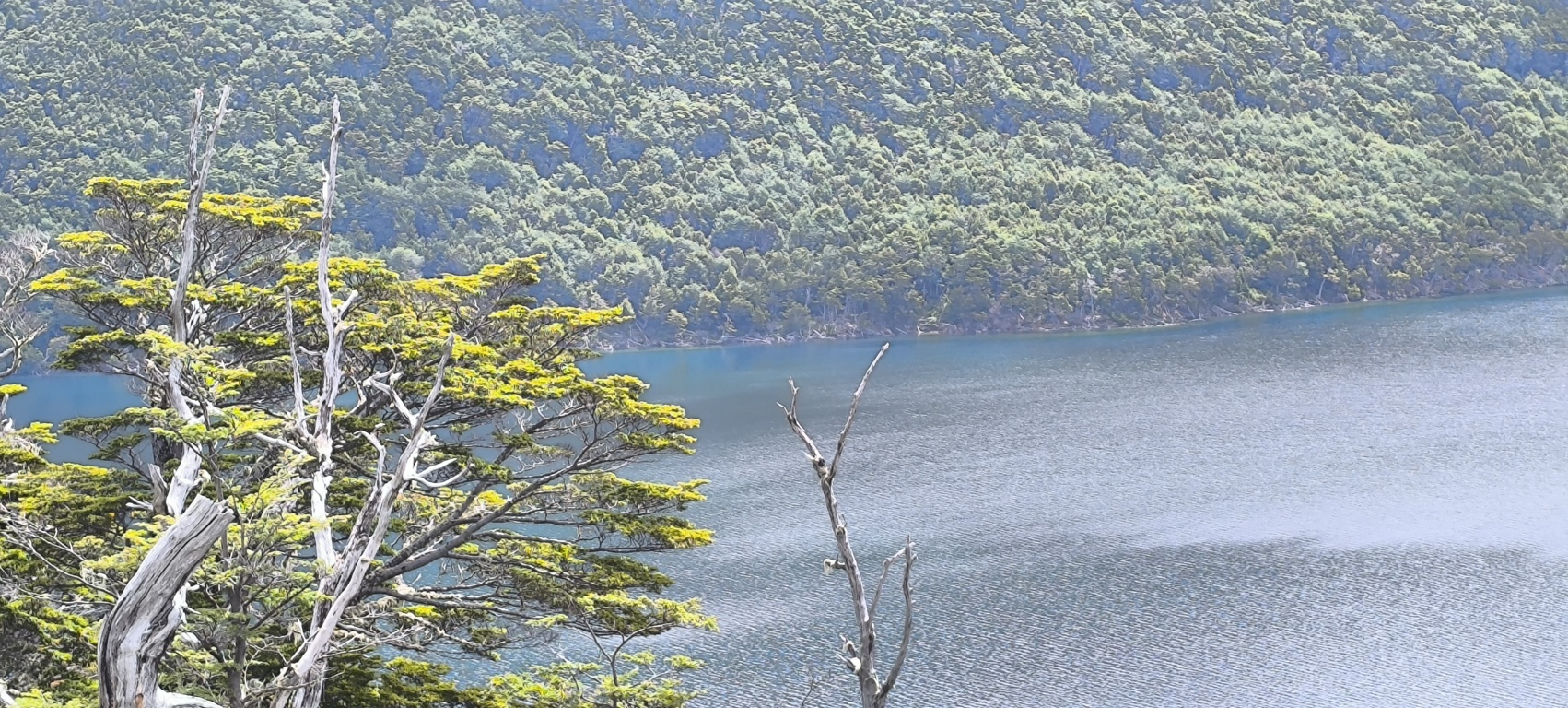
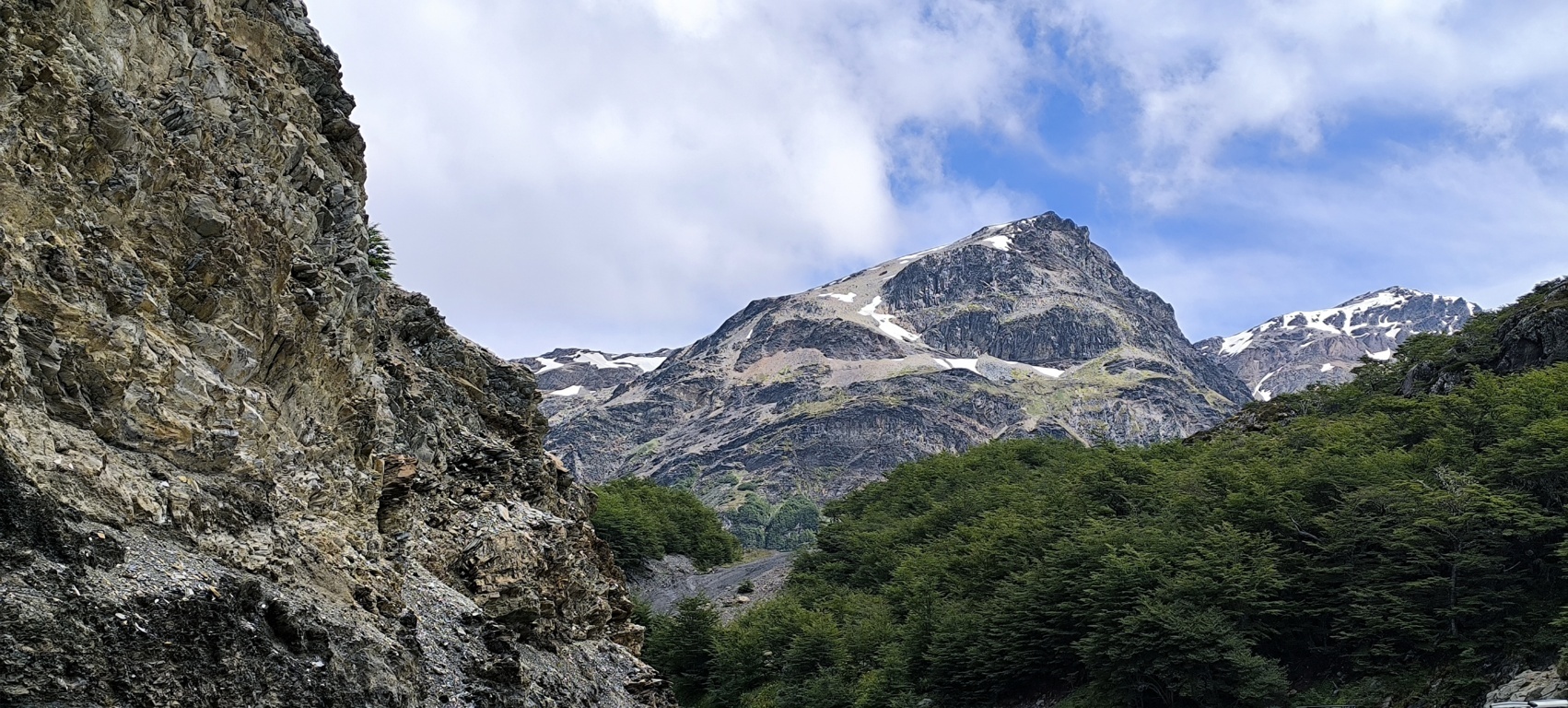
Every landscape is spellbinding ….
…
…
…

…
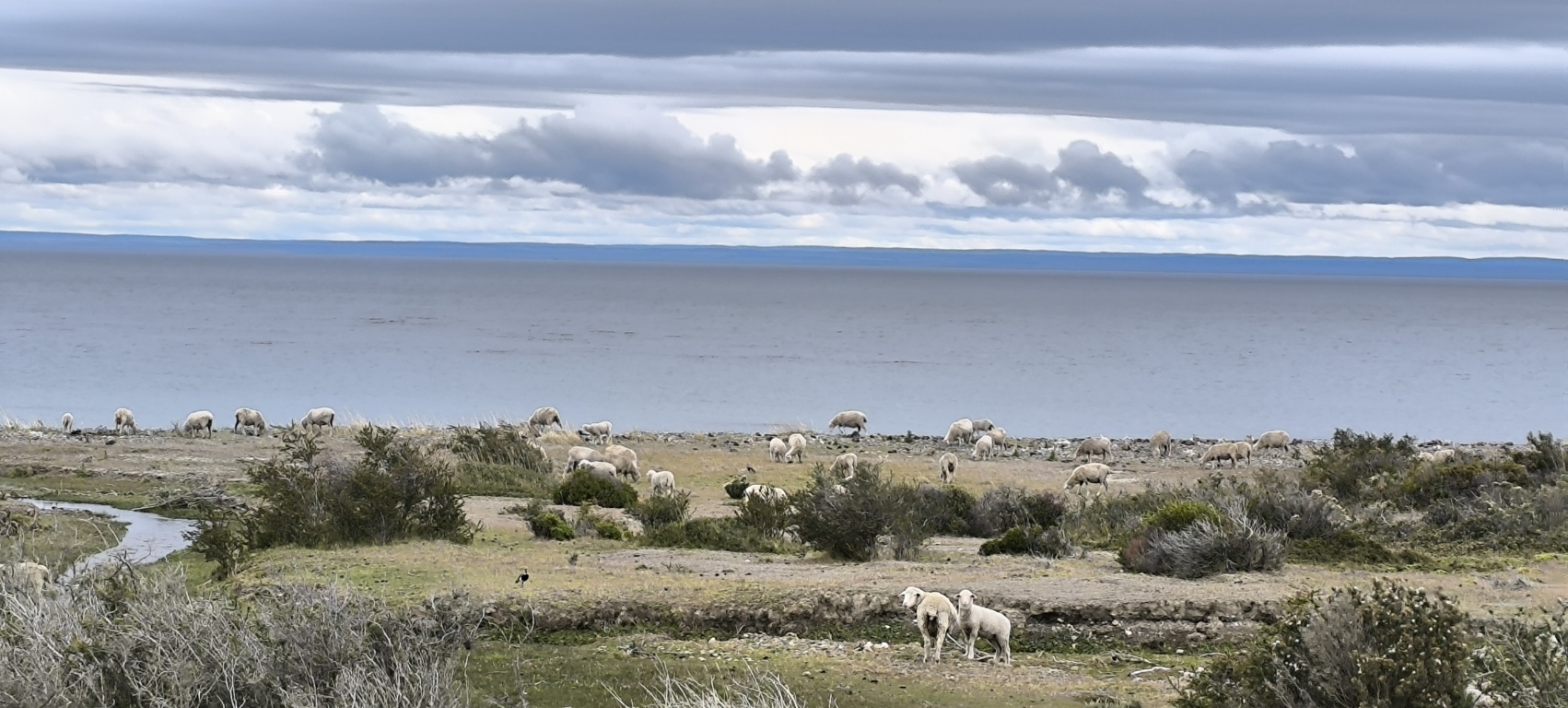
And then our first view of Patagonian sheep …
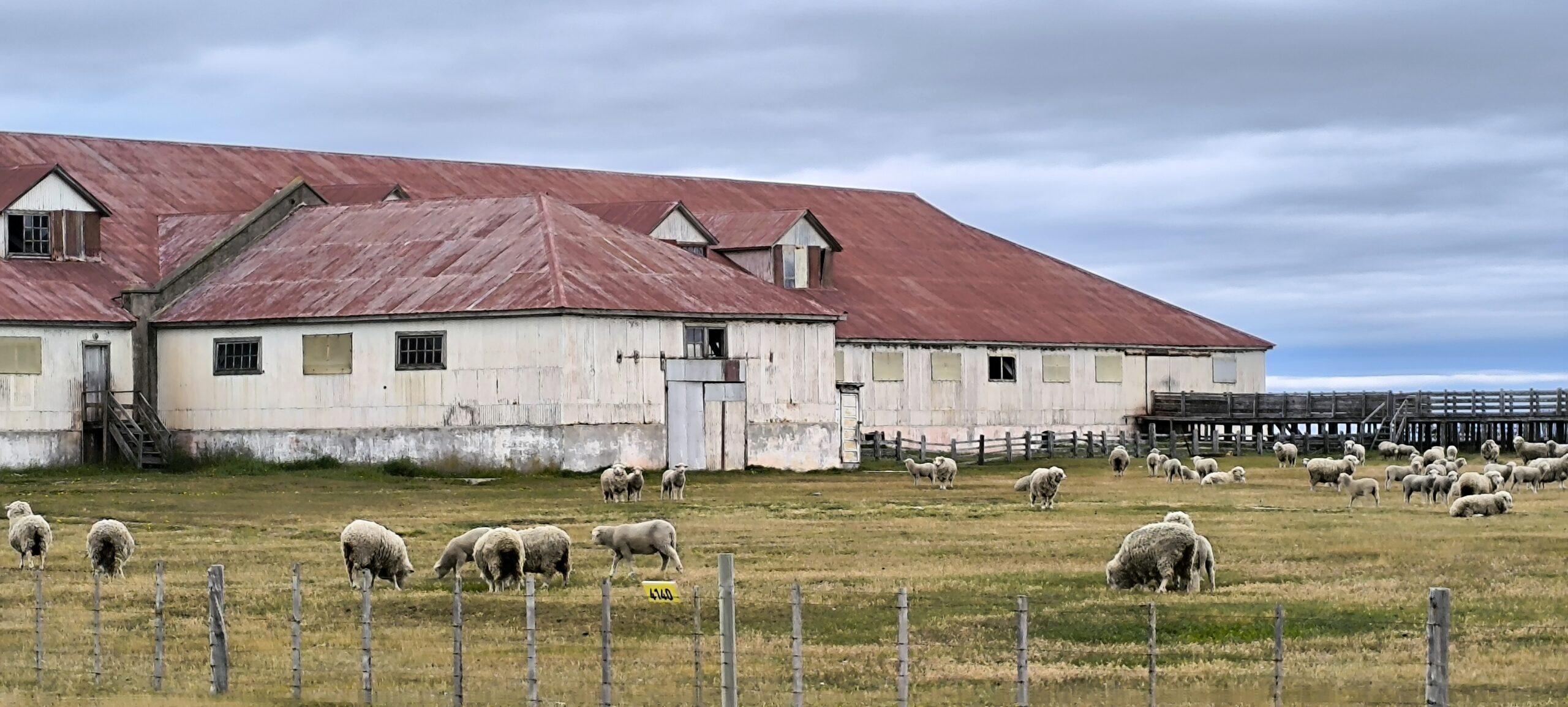
… and the sheep farming boom that starts in the 1870s and leads to the demise of the 4 indigenous groups of the Tierra del Fuego.

…

And it is not much later, and companies discover and start drilling for petroleum and then gas.

Bringing with it, mining towns like this, Cerro Sombrero.
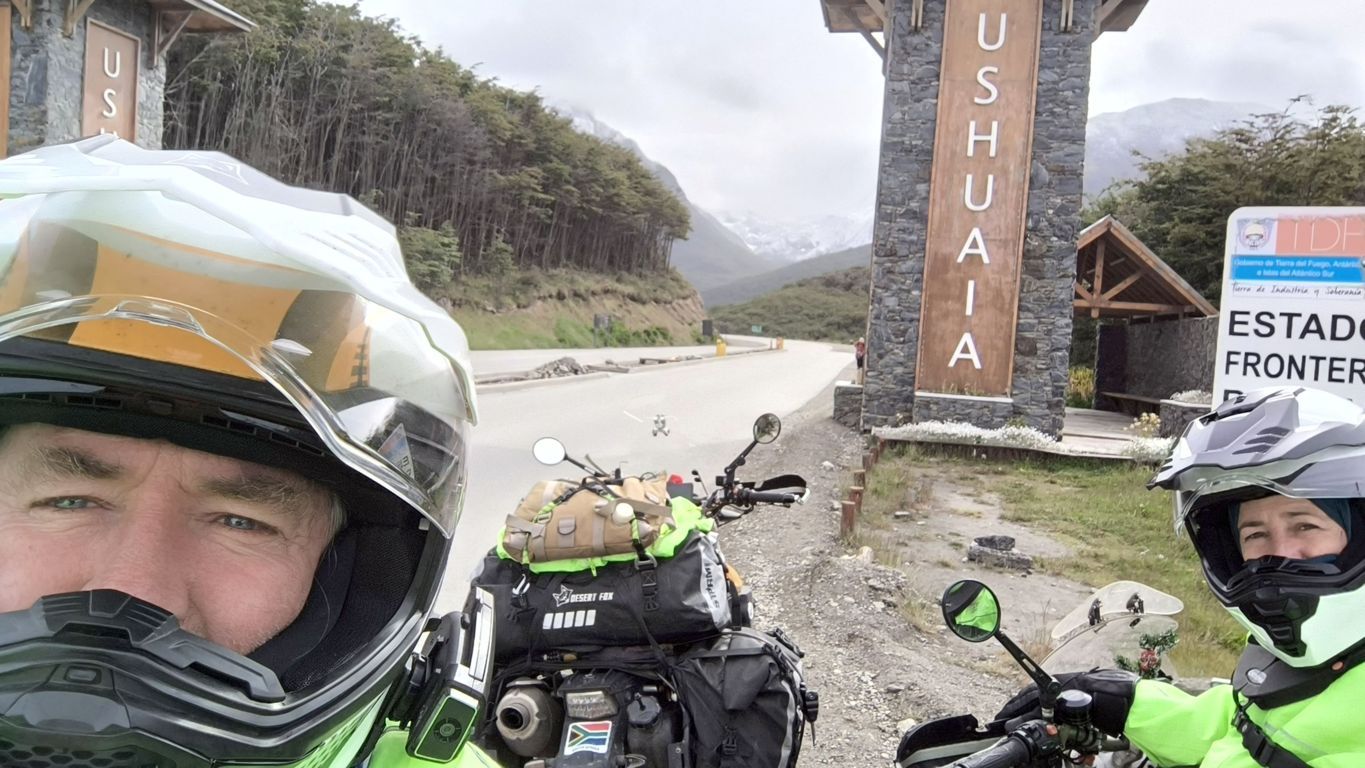
And then we get there, Ushuaia, the southernmost city in the world.

Cold ….
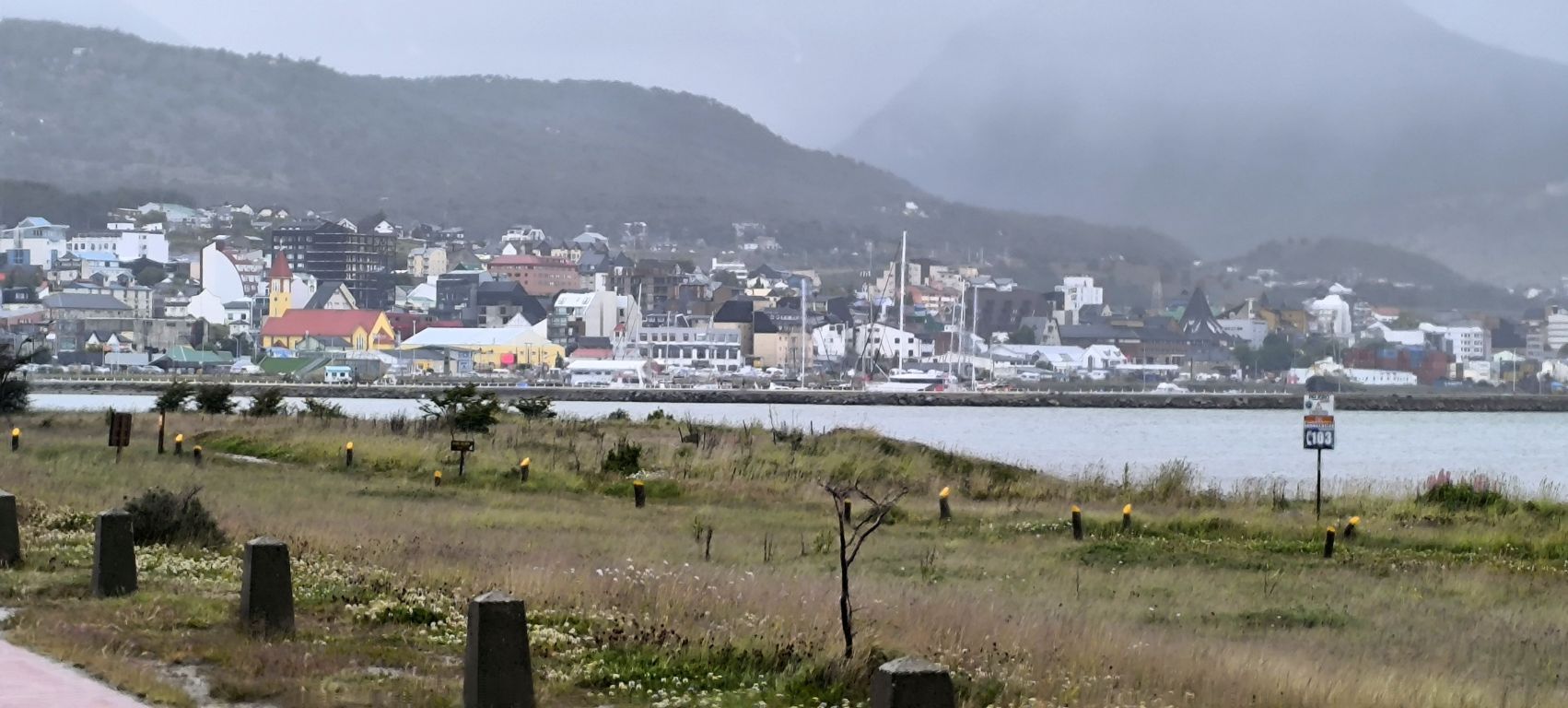
… and wet.

With magnificent backdrops!
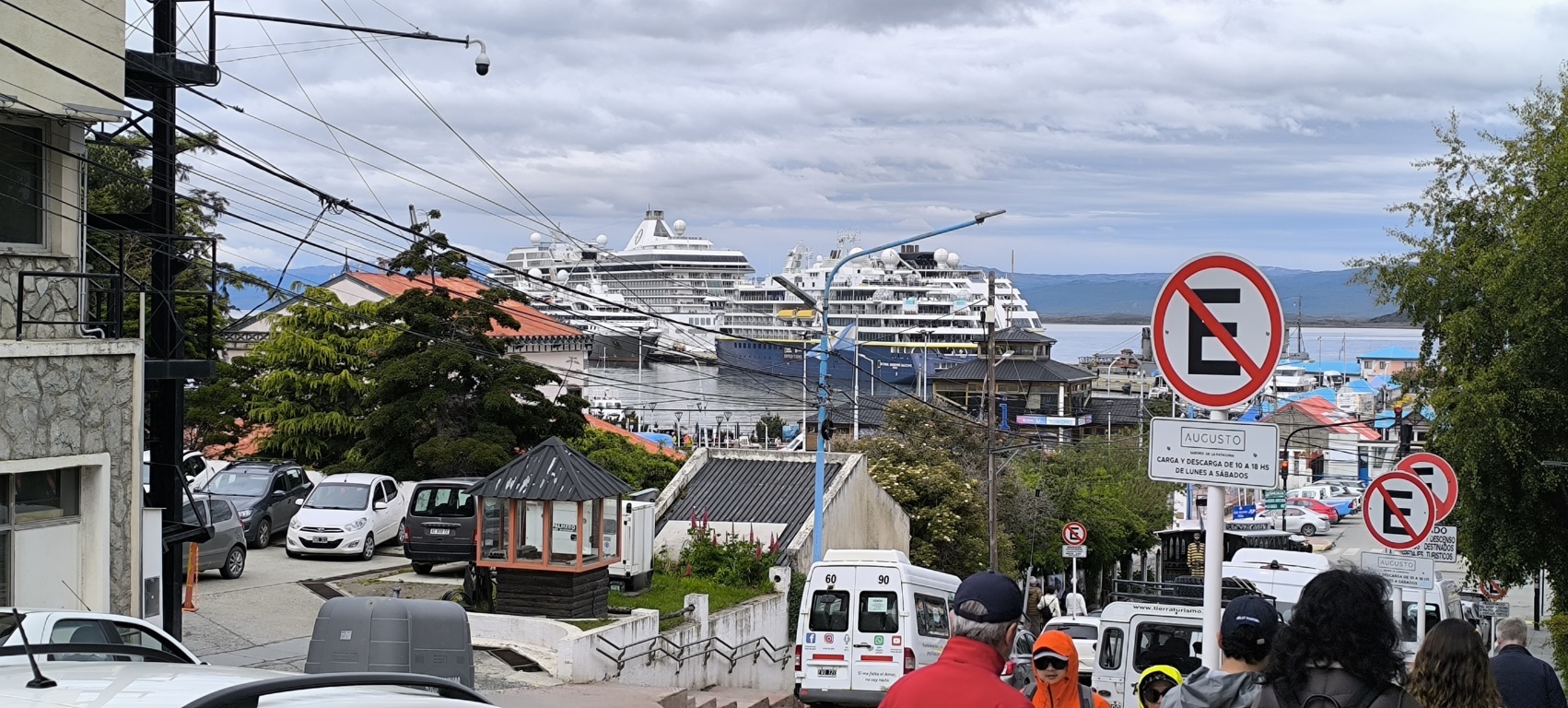
And a thriving tourist industry! So, Yes, it’s sheep and tourists, like us, that now inhabit the Land of Fire.

Most arrive and leave by ocean-liners, and some set out to Antarctica.
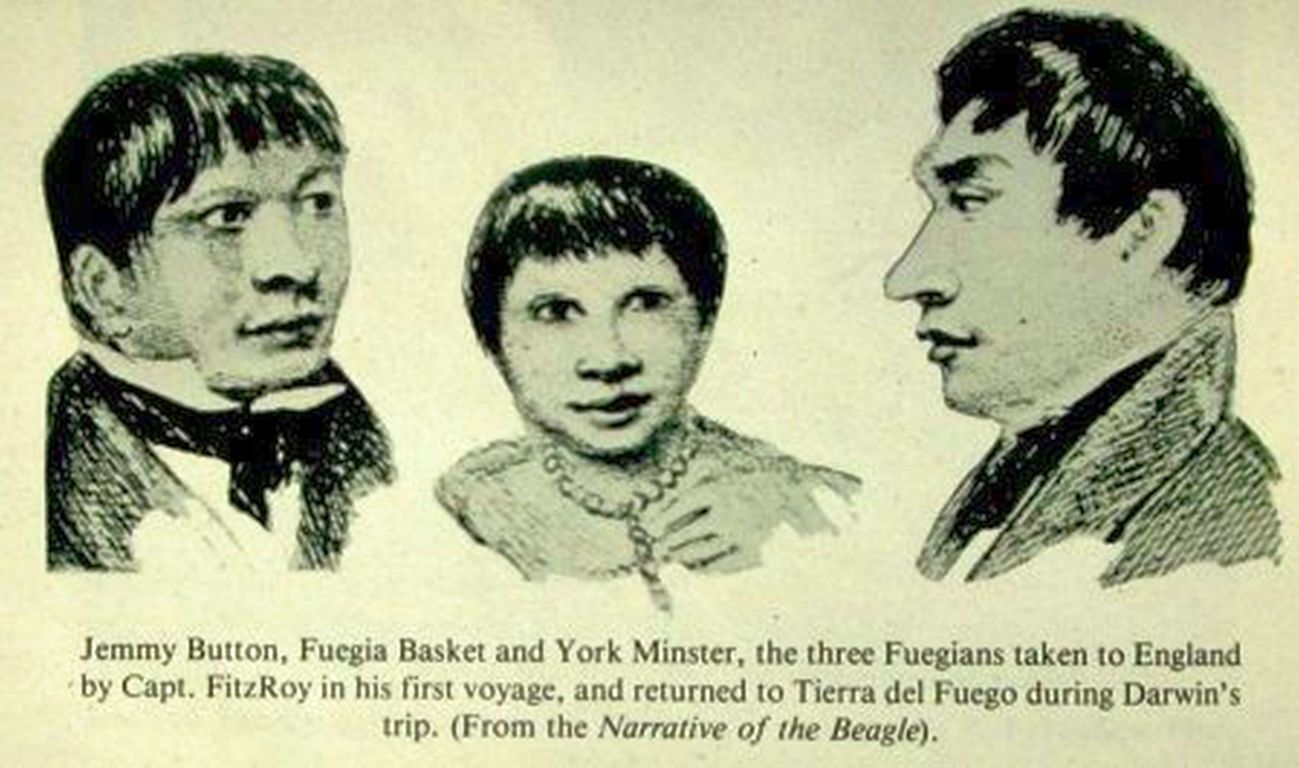
But, please, lets spare a thought for these souls.


I have never heard of the hunter gatherers of Patagonia so what a surprise! What a feat of human ingenuity to survive in that inhospitable area. And the body paint is wonderful. Imagine a world where we’re not such nasty animals, where we live and let live, stopped expanding our numbers beyond the earths carrying capacity, stopped perpetual growth, what a wonderful world of nature in all it variety we would have had. Love and thank you.
So enjoy following your journey.
A delicate presentation of a cruel part of history that is often overlooked and underappreciated. The human stories of adaptation and resilience and the beautiful pictures combined make up for what happened in the past.
Thanks for bringing such an insightful perspective.
Thankyou for highlighting the troubled history of Tierra Del Fugo and it’s indigineos . As they say Travel Broadens the mind and you are broadening ours by proxy !
Once again a thriller of a blog!!! I knew of Tierra Del Fuego and of the Strait of Magellan but only very vaguely! Your writings display so much more. A very sad story of these four indigenous peoples. We humans make history to be discovered by the next set of humans. When will we leave behind something to be proud of?
The photos are magnificent. The colours, the sky, the snow peaks and the Guanaco, followed by the sheep are all so descriptive of this strange country. It was good to see you both.! Recognisable peoples at last!!
Many thanks once again!