
The Andes Mountains is a mountainous spine that dramatically dissects South America from north to south, crossing seven countries.
Down the southern and northern tips of the continent, the Andes literally tumbles into the sea, creating a myriad of islands.
The Caribbean hubs of Aruba, Curacao and Bonaire are actually peaks of an extensive submerged continuation of the Andes in the north.
In the southern end, in Patagonia (where we hope to go), there are numerous islands that belong to the same mountain chain.
Everything about South America is directly related to its 9,000 km existence: not only the diverse landscapes but also the indigenous cultures, varied cuisines, and an immensely diverse wilderness teeming with wildlife.
The great majority of the Andean mountain chain is volcanic.
The highest active volcano in the world is located in a remote area along the Chilean–Argentine border.
Potatoes and tomatoes, two of the most widespread crops on our planet, originated from the Andes.
Over 3,800 different types of potatoes are grown alone. Coca leaves also famously originate from the western slopes of the Andean mountains.
Although its derivative, cocaine, has brought about many problems in countries like Peru, the ancient Incas used to cultivate coca before the Spaniards arrived. Coca tea is served everywhere in the Andes, effectively relieving altitude sickness.
The Andes are the highest mountain range outside of the Himalayas. The terrain that surrounds them is at high altitude too, with settlements at altitudes of over 5,000 m
Over the years, people from the Andes have evolved and adapted to this high altitude, where there is less oxygen in the air. They have larger alveoli in their lungs and a higher count of red blood cells. This is to extract as much of the limited oxygen as possible.
Linda and I have not.
There is no quick and easy way to envisage the Andes. The enormous complexity of this tangle of ranges and plateaux makes a bird’s-eye view impossible.
Here are a few pictures of our crossing from Argentina to Chile.
It does not even scratch the surface!
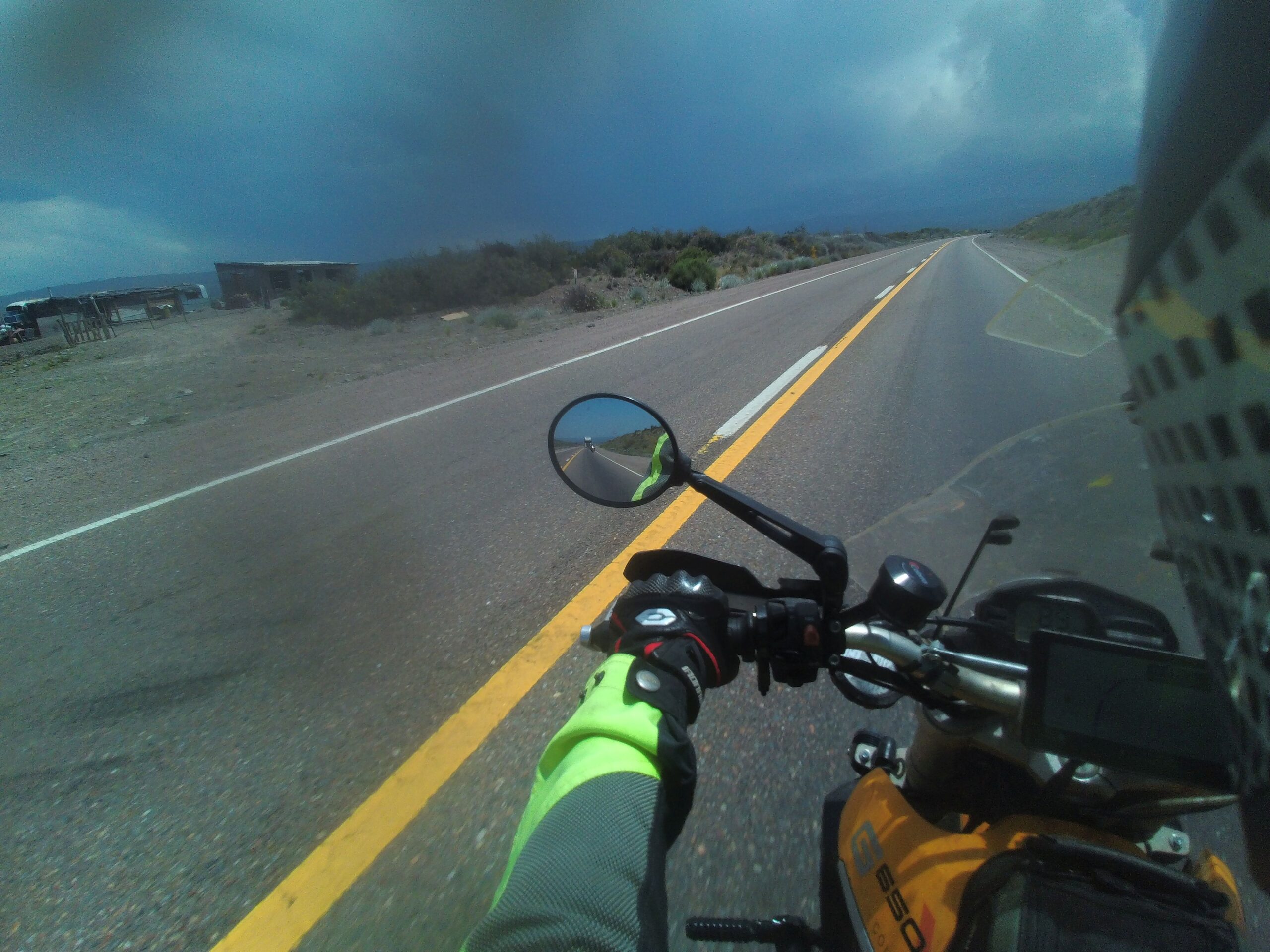
On the Argentine side, it starts with a great tar road leading to the Andes
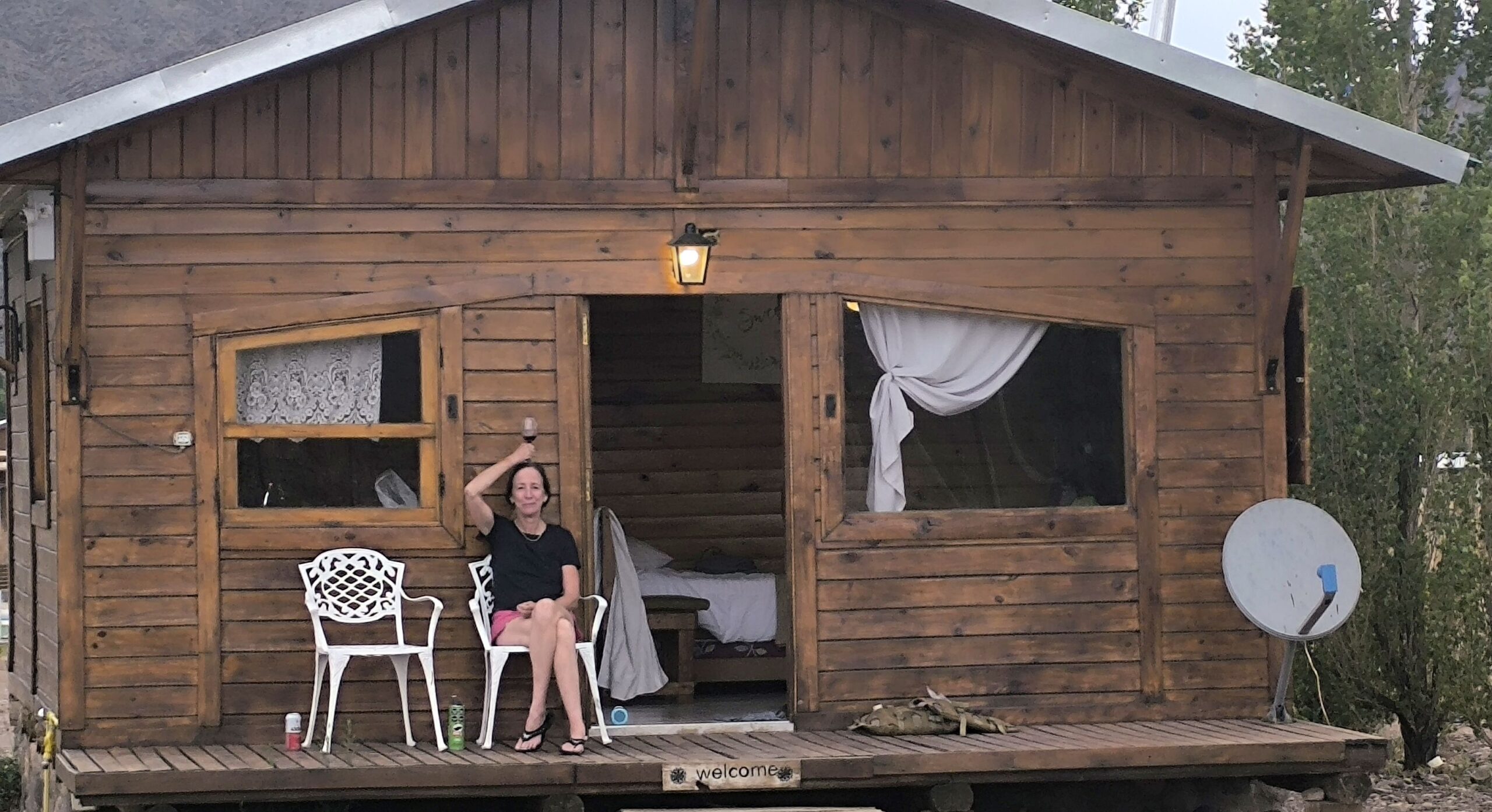
Near the Andes foothills on the Argentinian side, we glamp in this Cabana for the night
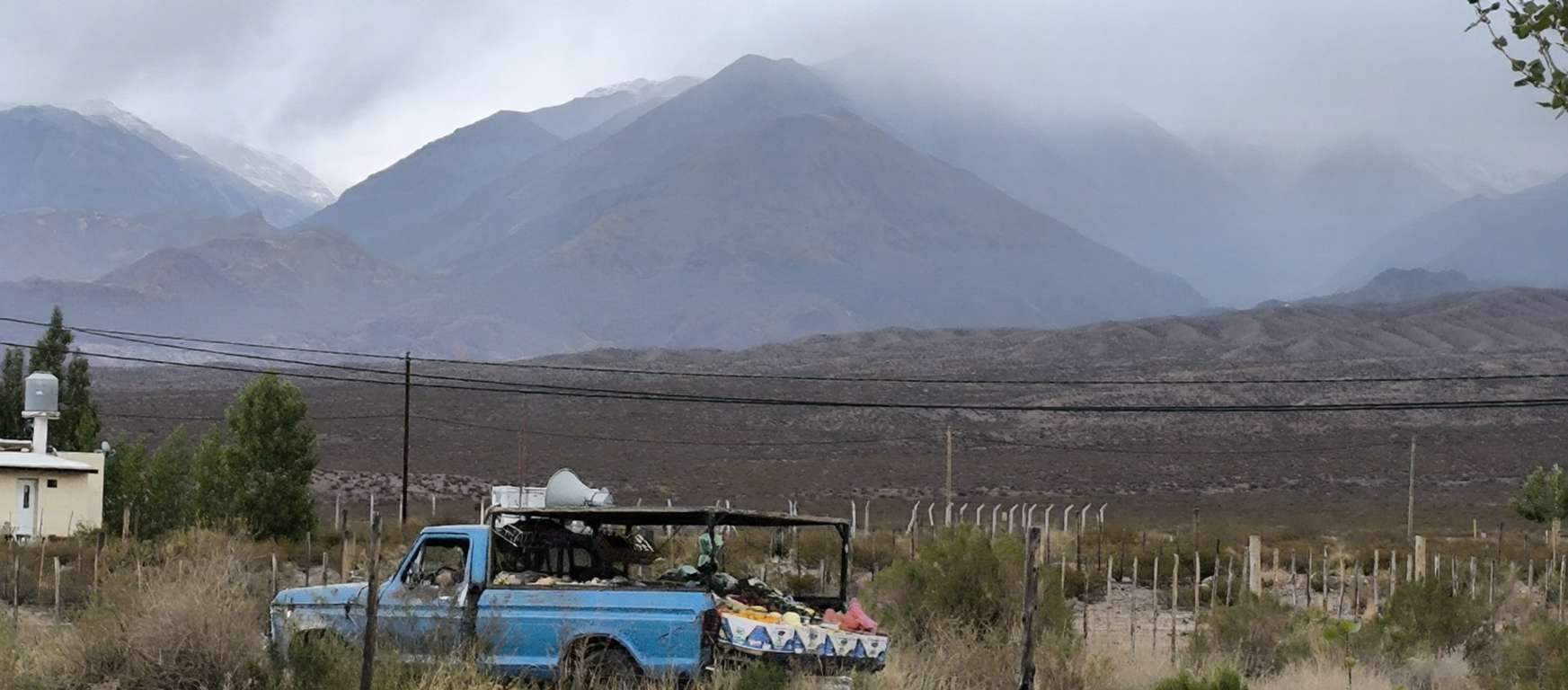
It is a tiny town. A travelling salesman in his F100 pickup selling all types of essentials

There is no piped water. Rainwater is stored in tanks on the roof. But there is electricity, no mean feat out here.
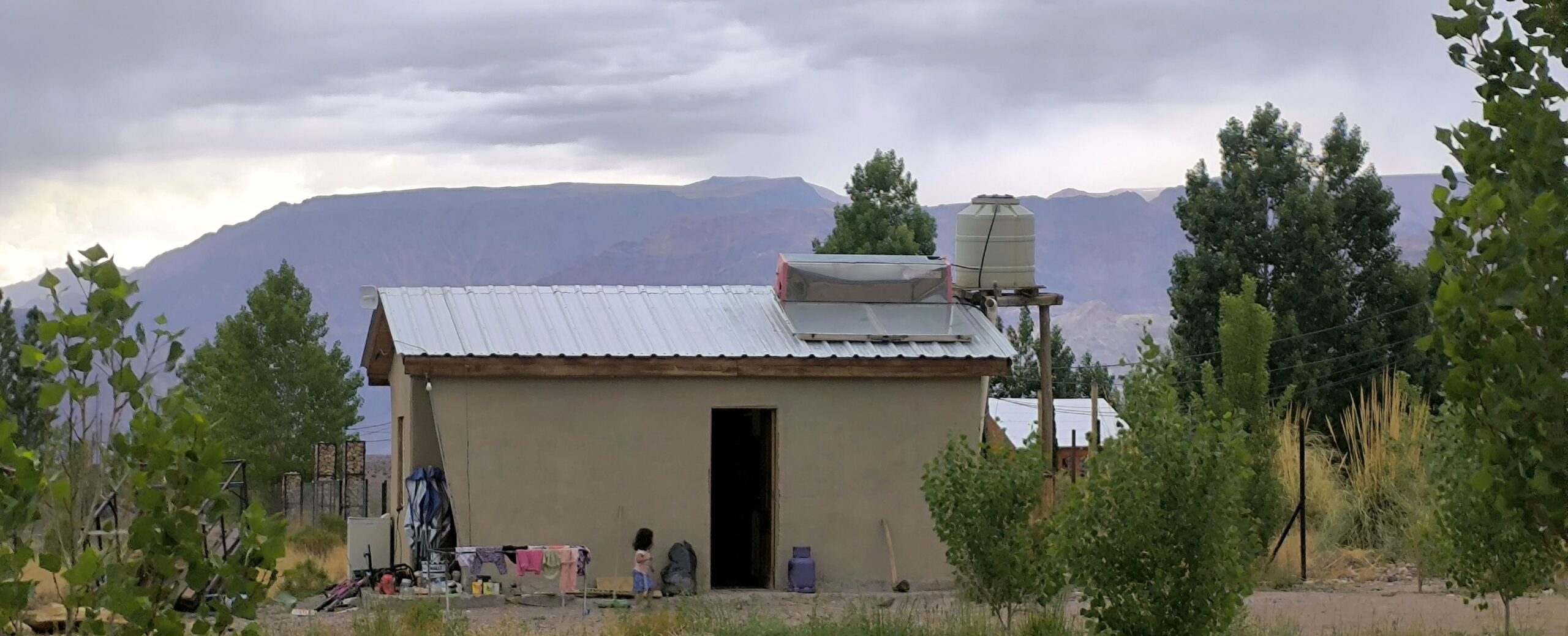
These are our neighbors.
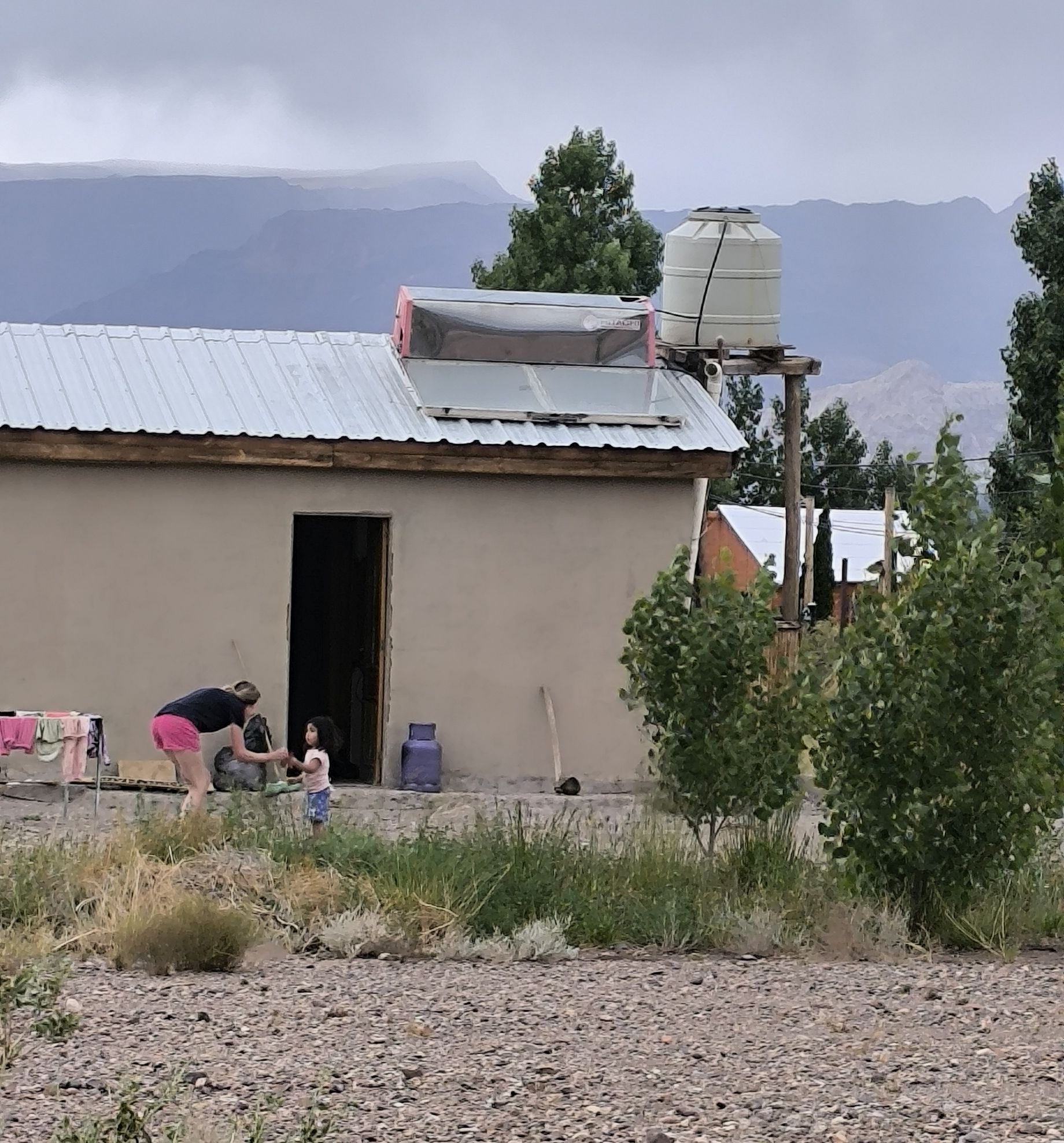
Linda, short pants and all, gets to offer the shy one a chocolate. In her defence though, our clothes were soaked from riding in the rain.
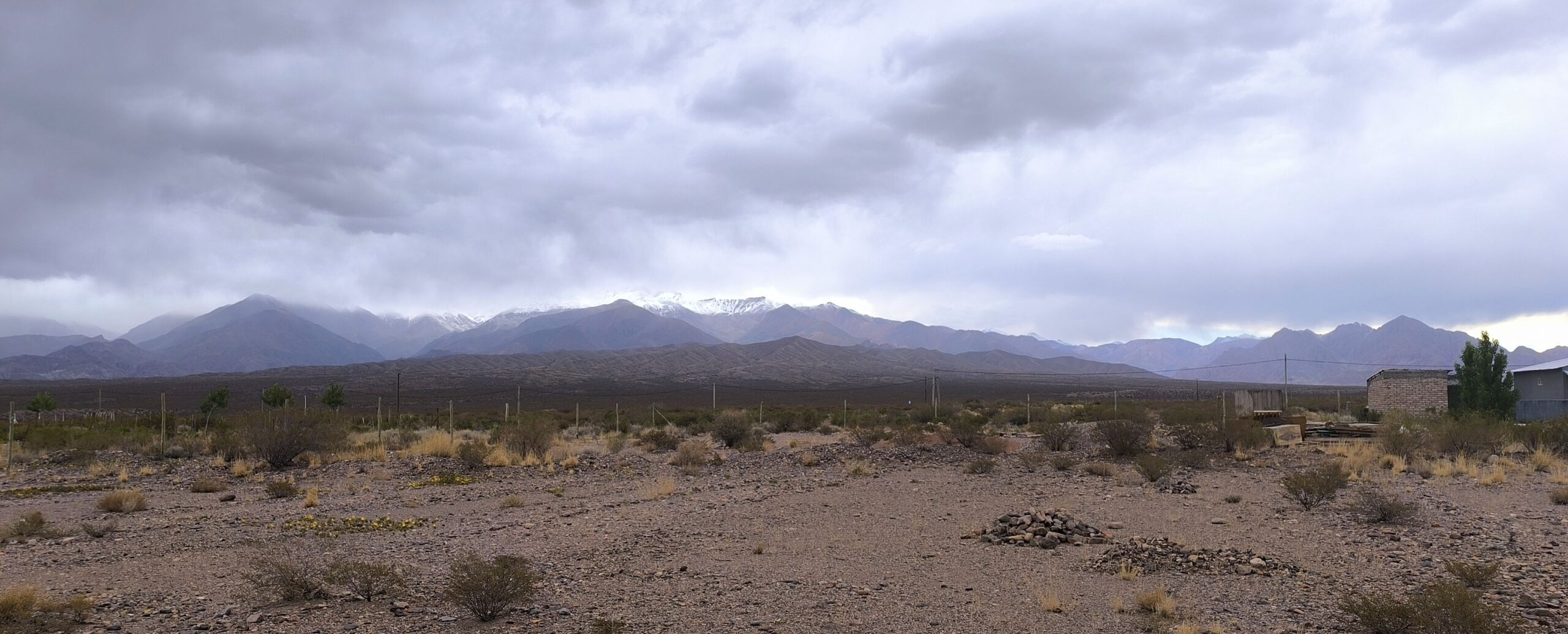
Tomorrow we get to cross that!
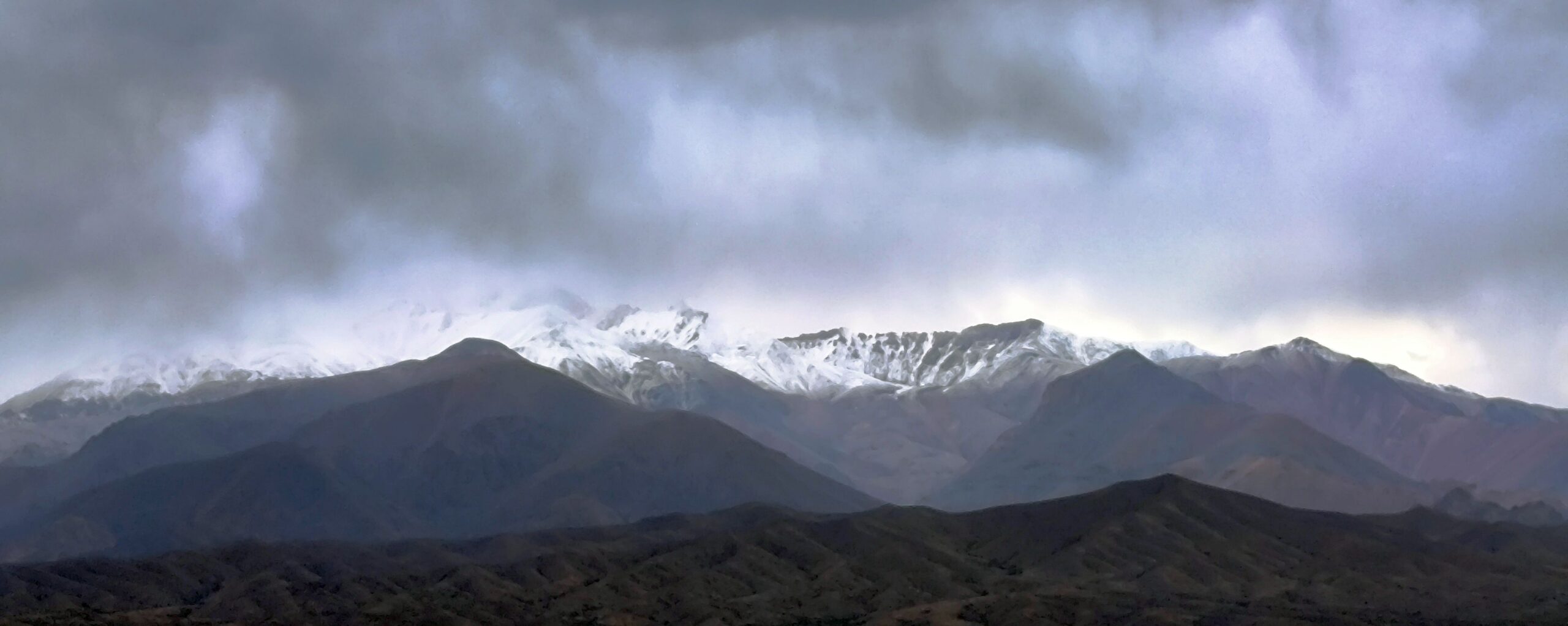
Its moods change constantly.

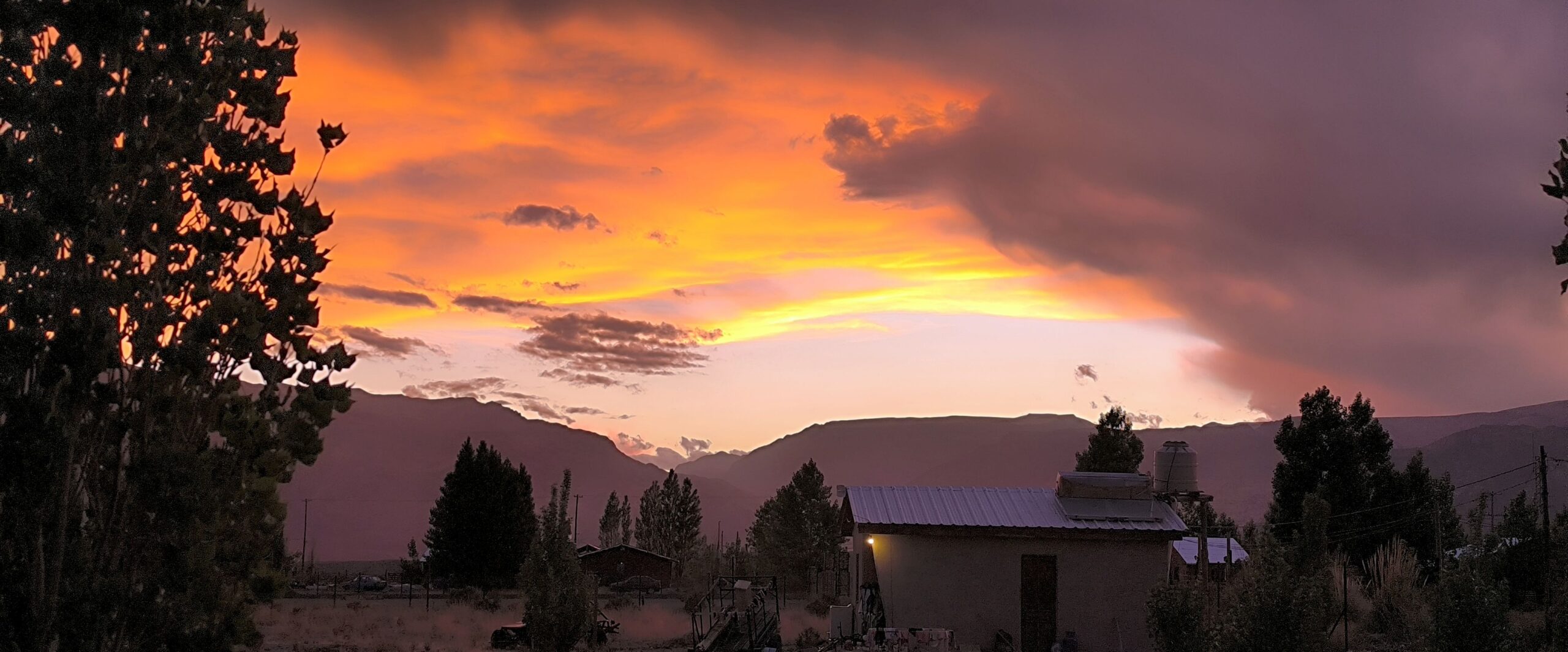
Red at night shepherd’s delight?
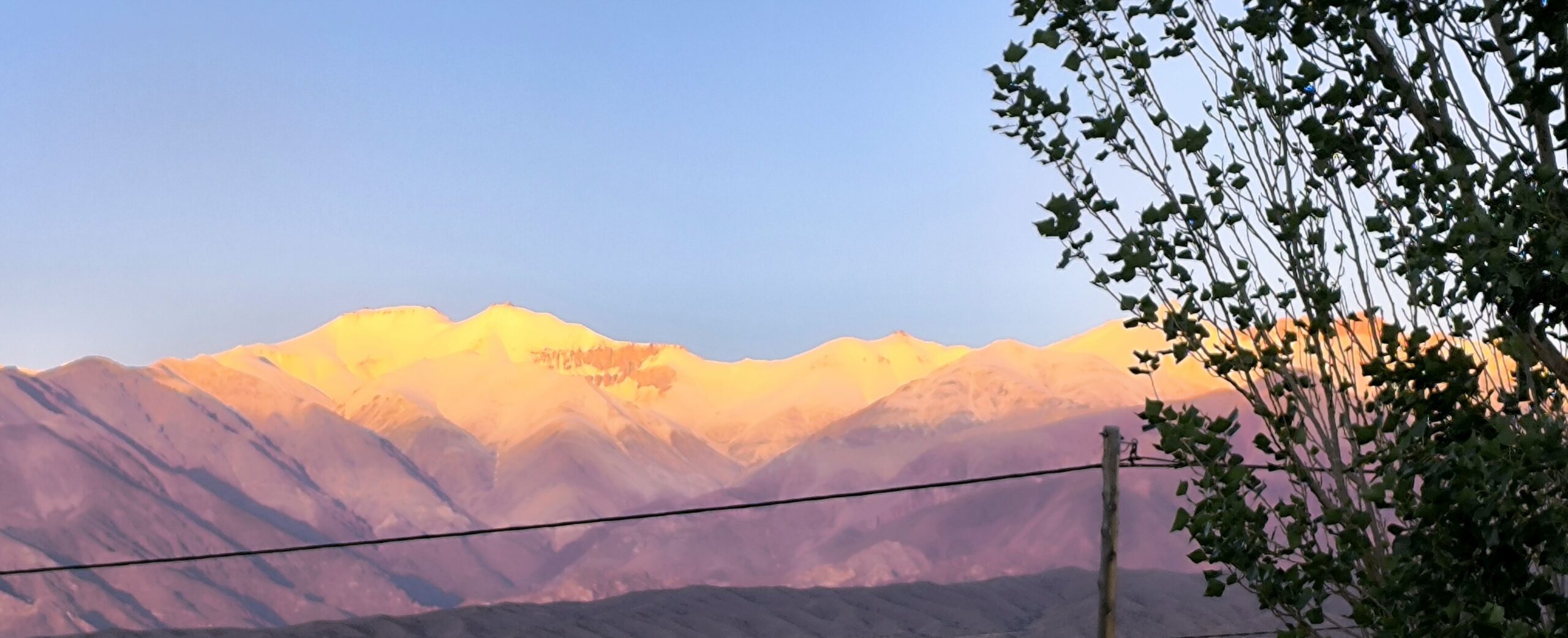
The next morning, the gods smile down on us.
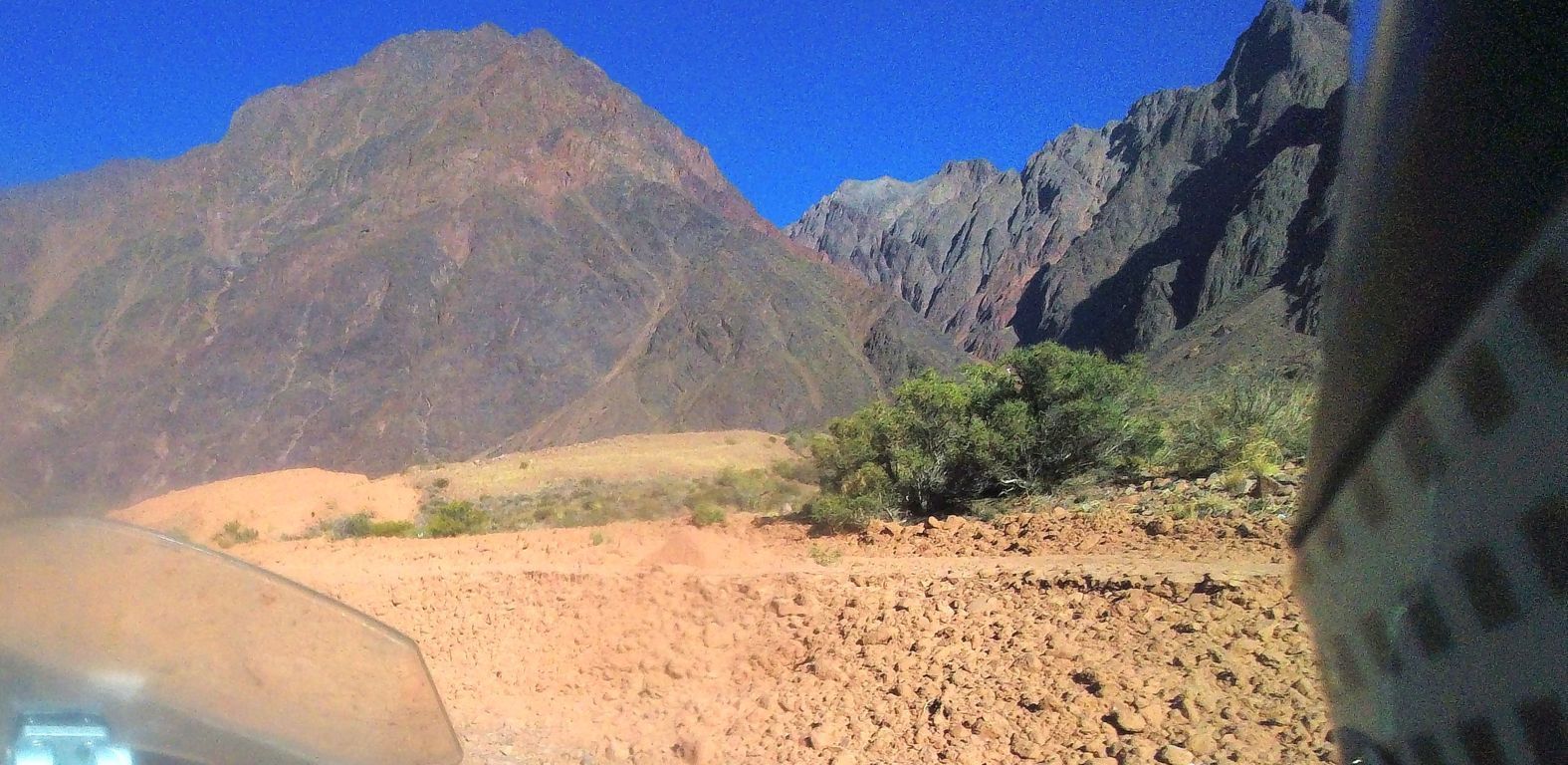
Entering the Andes
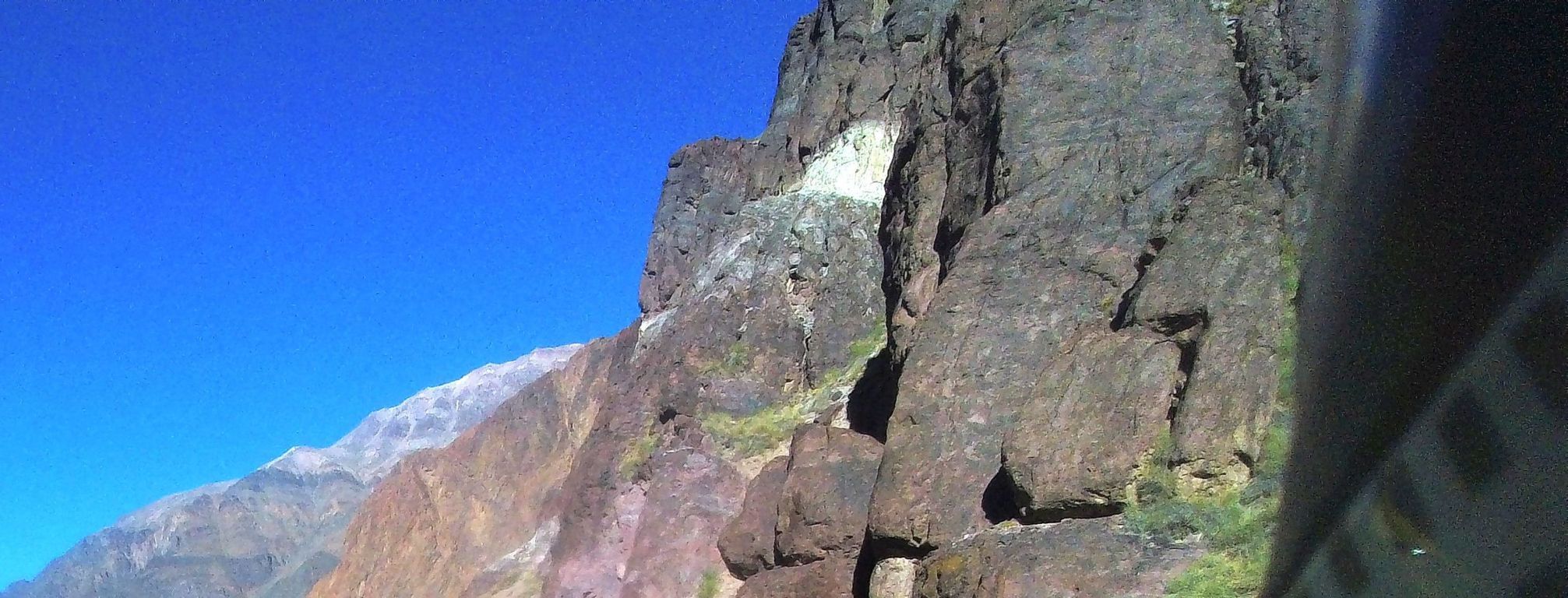
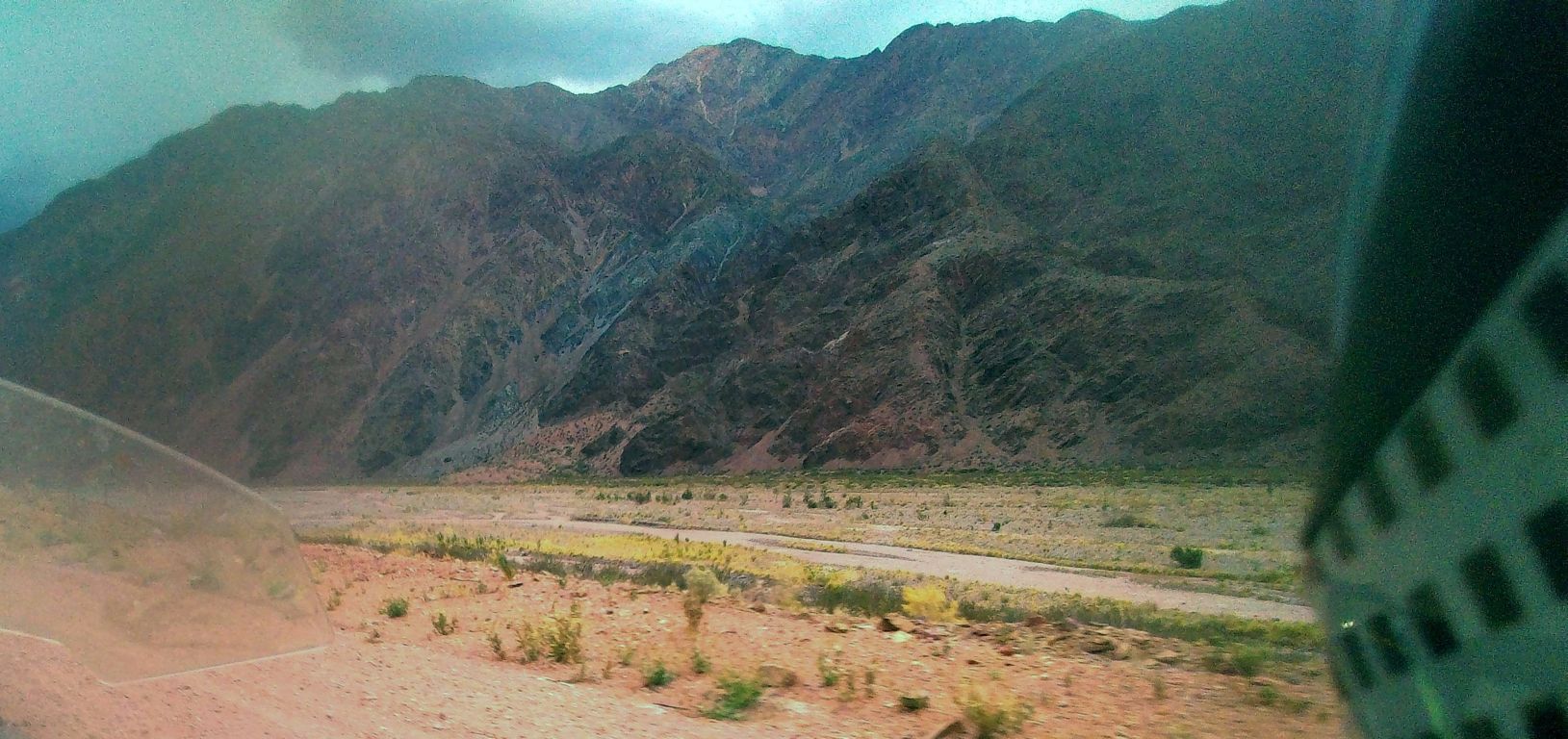
The colours and topography change constantly.
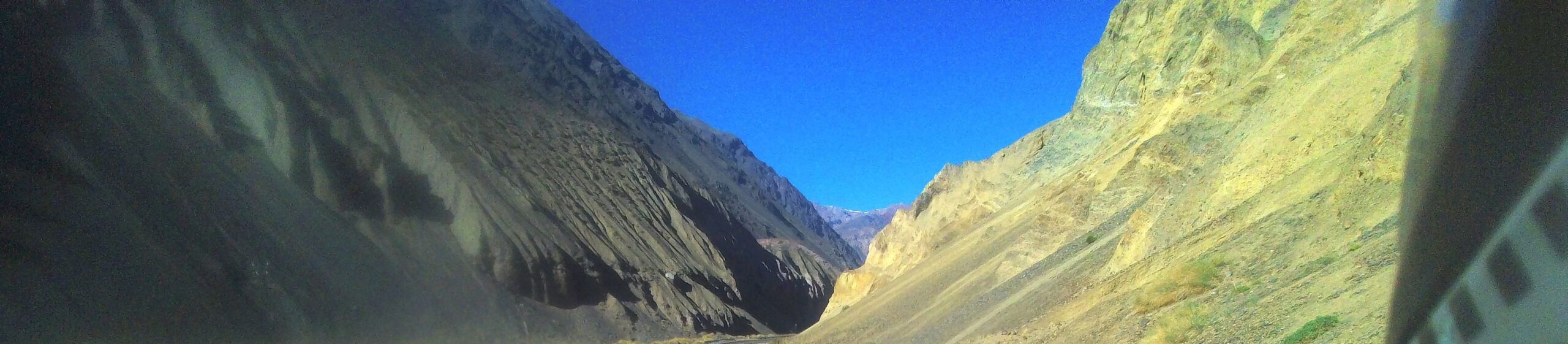
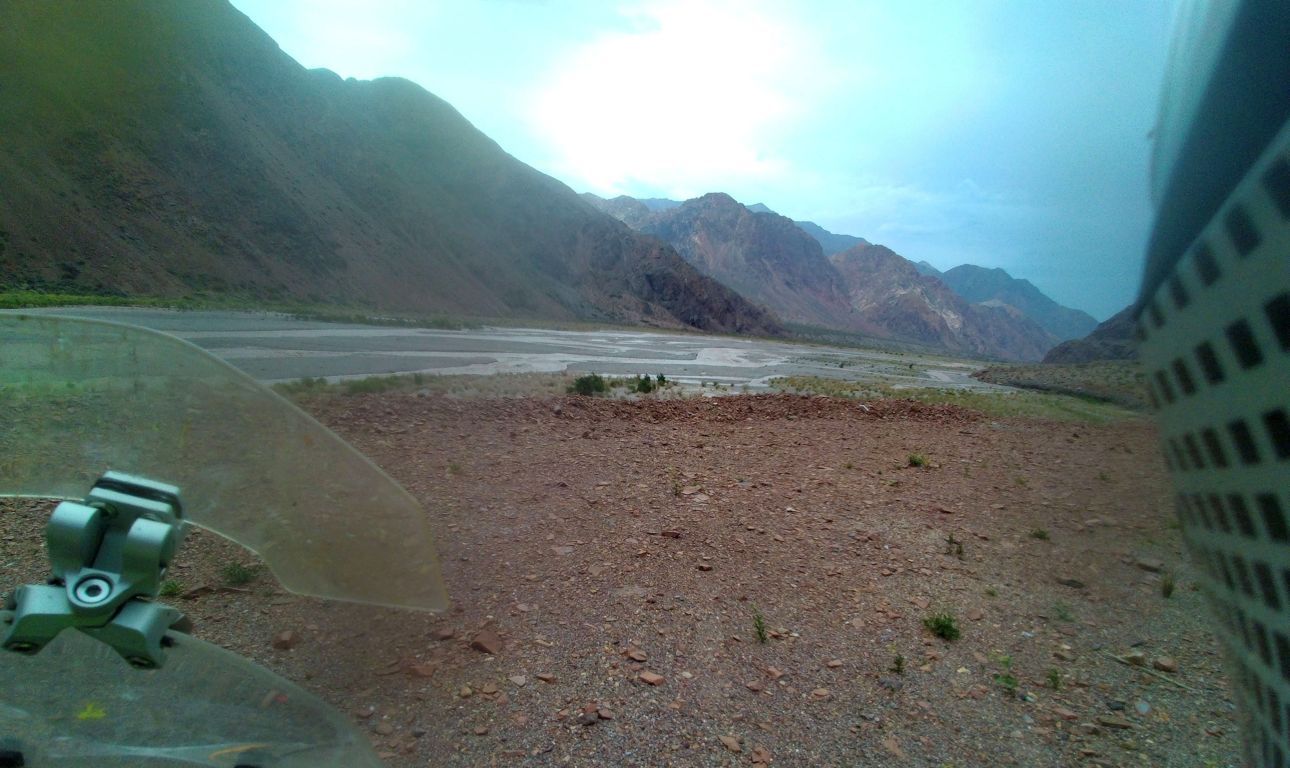
We follow this river.
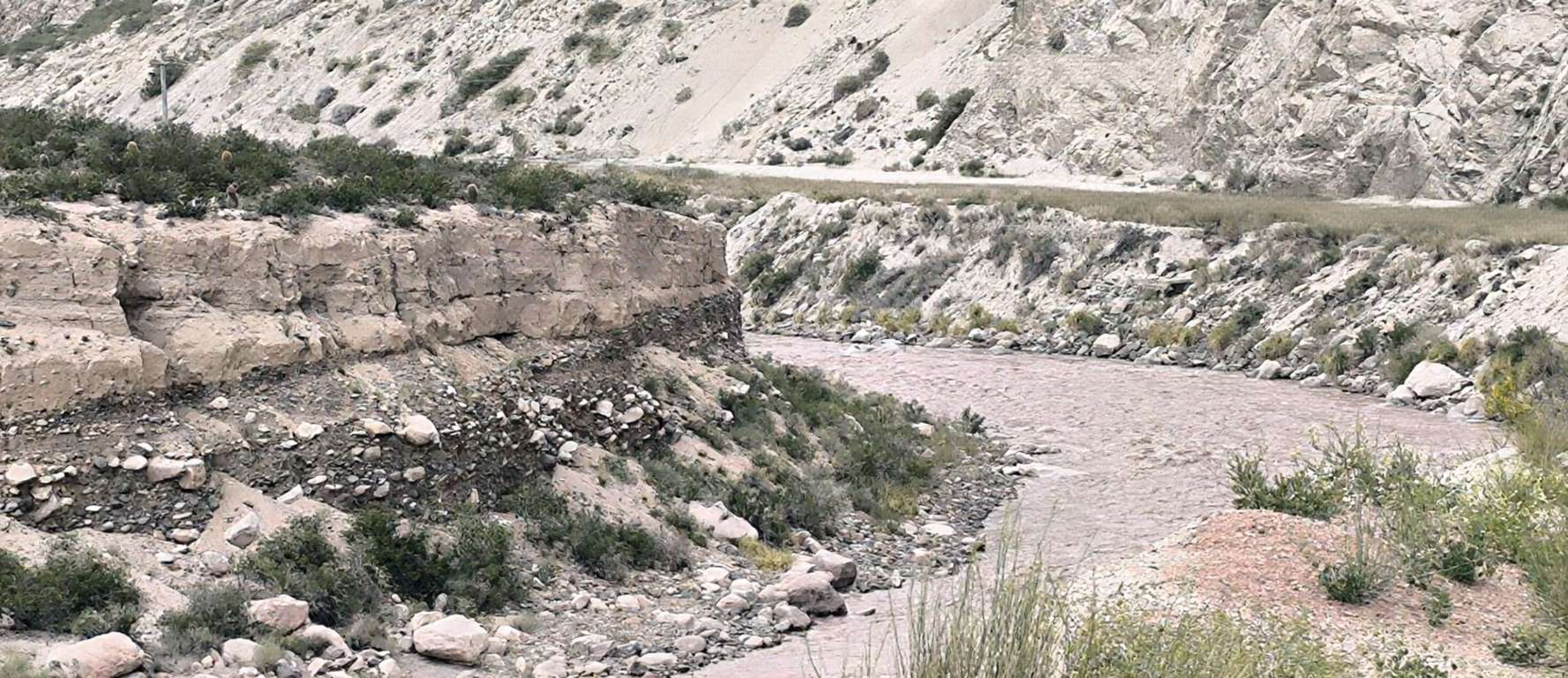
And along the way, its banks rise. This picture cannot capture the scale. The bank on the left is over 50 m high!
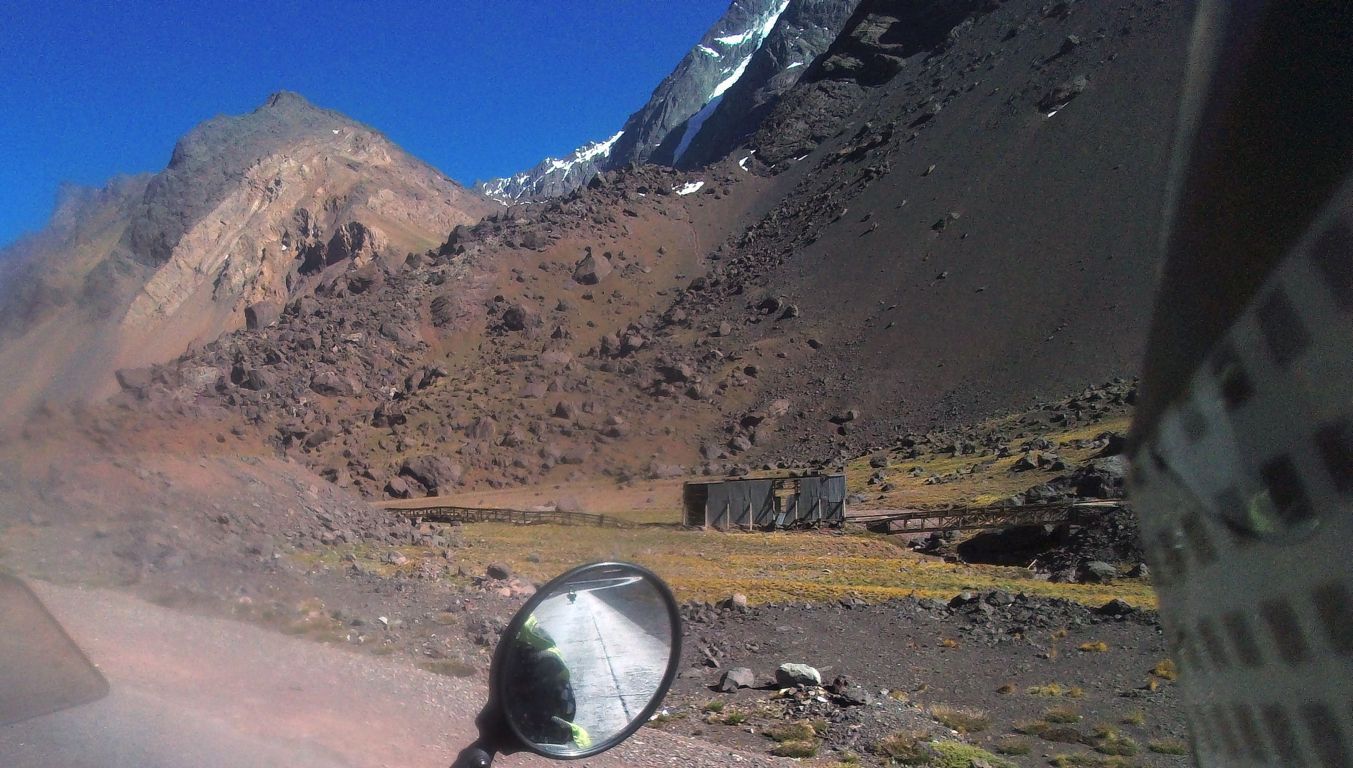
Along the way, we find abandoned settlements.
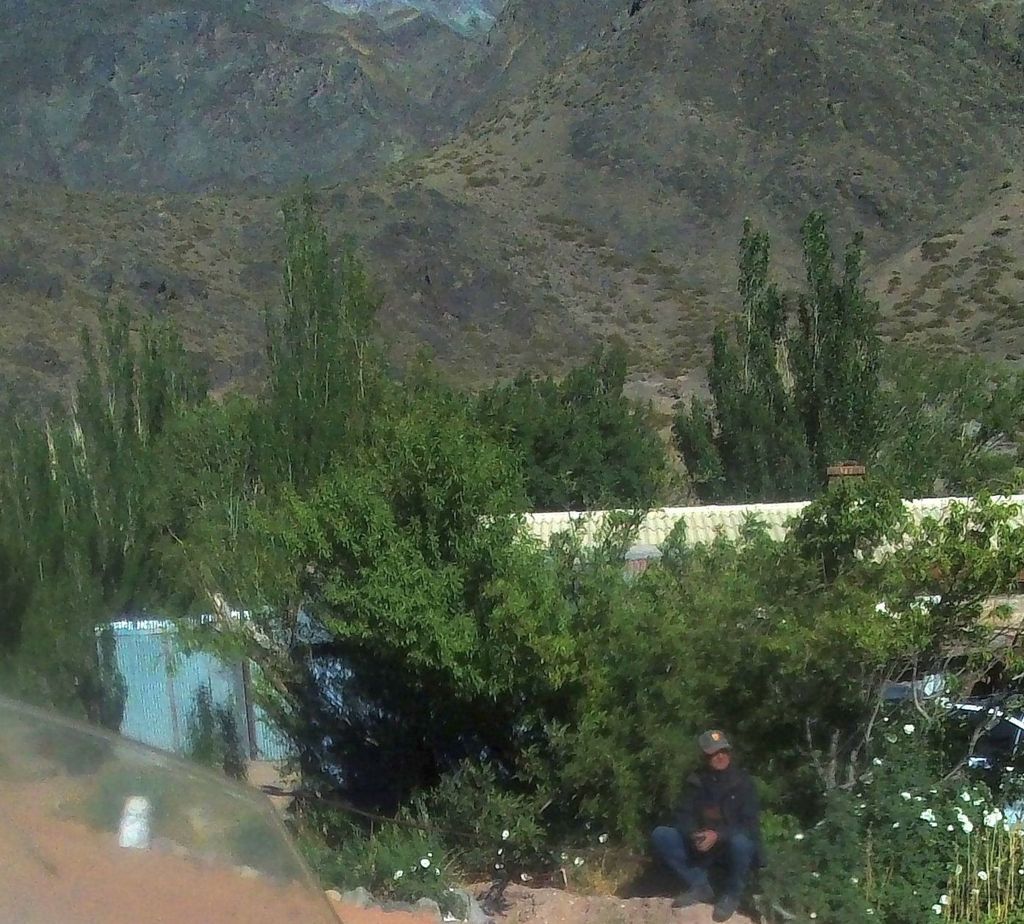
One of 2 signs of life.

And the other.
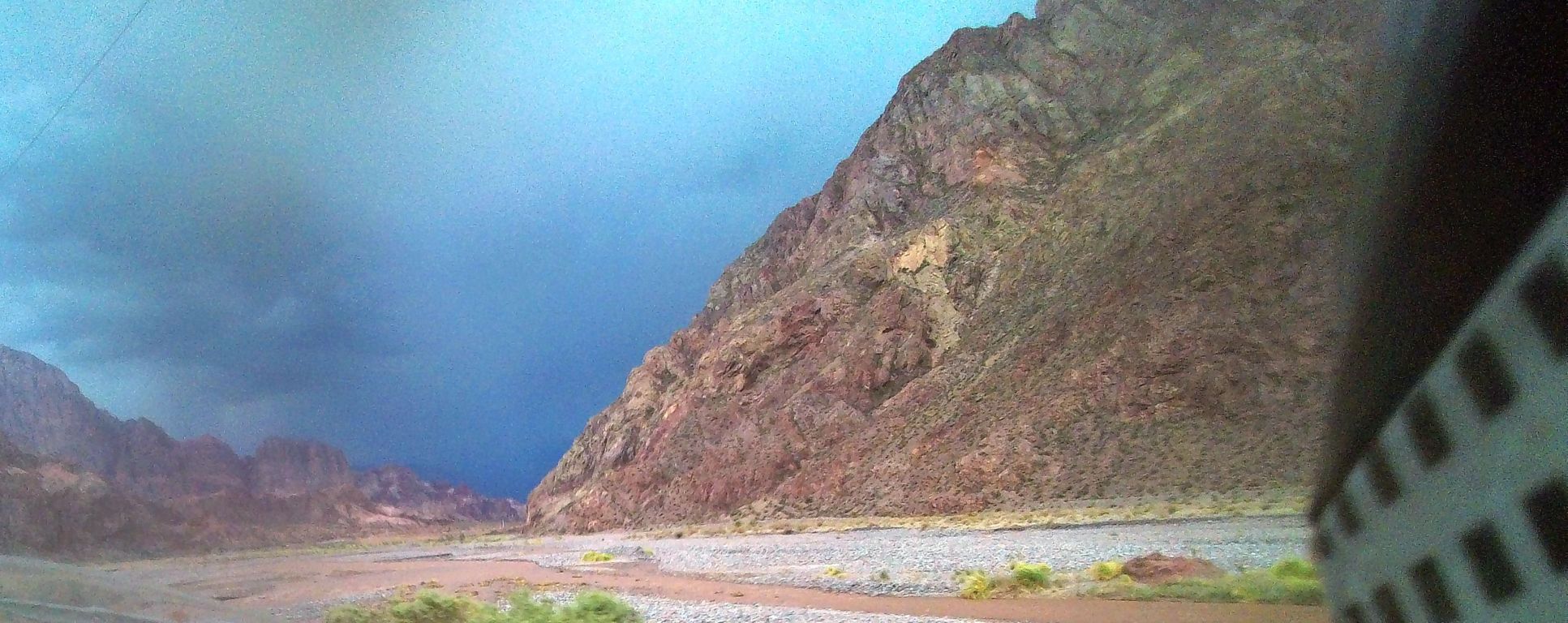
It’s almost as if each peak and valley has its own microclimate.
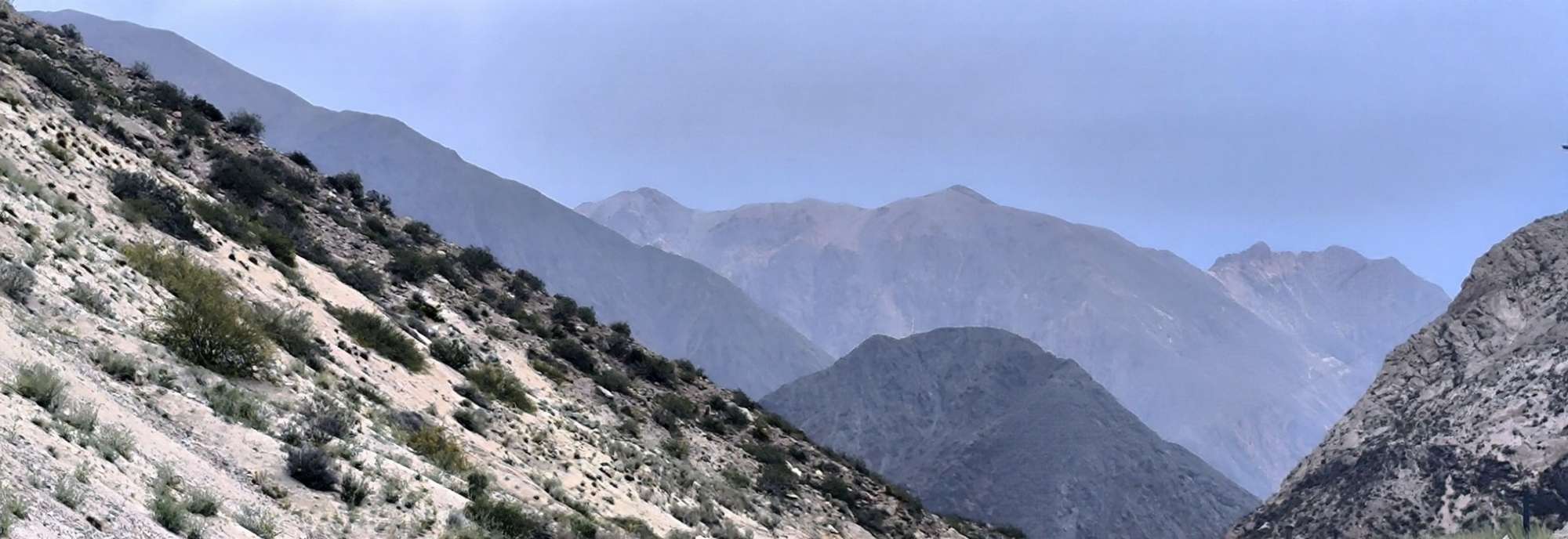
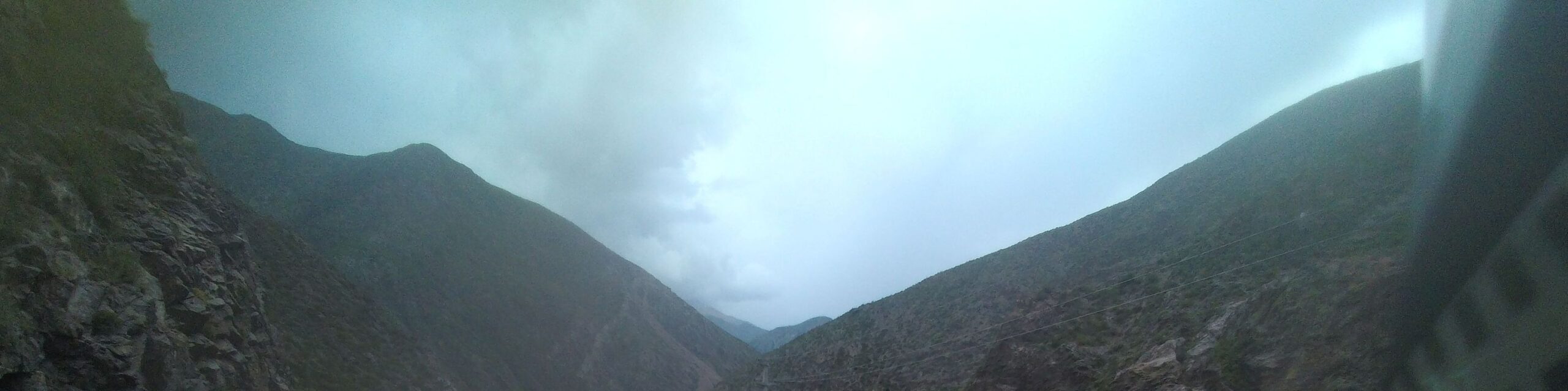
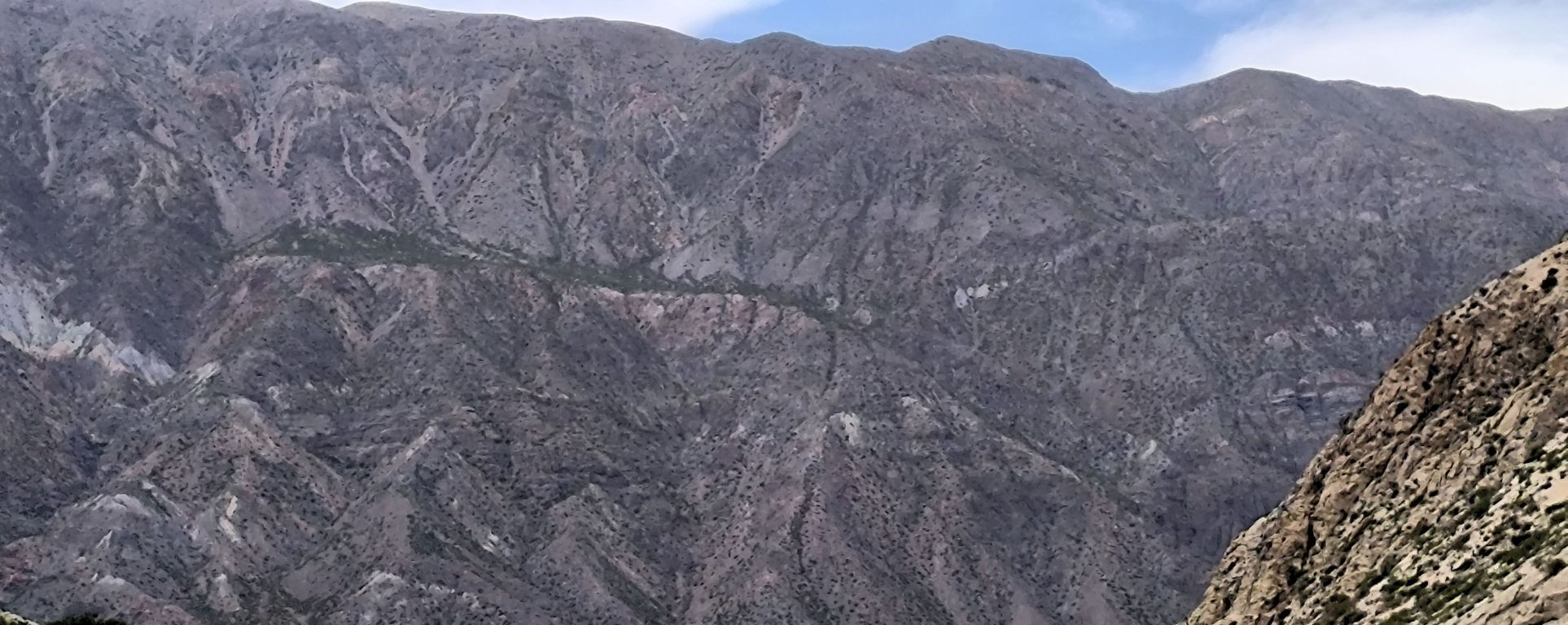
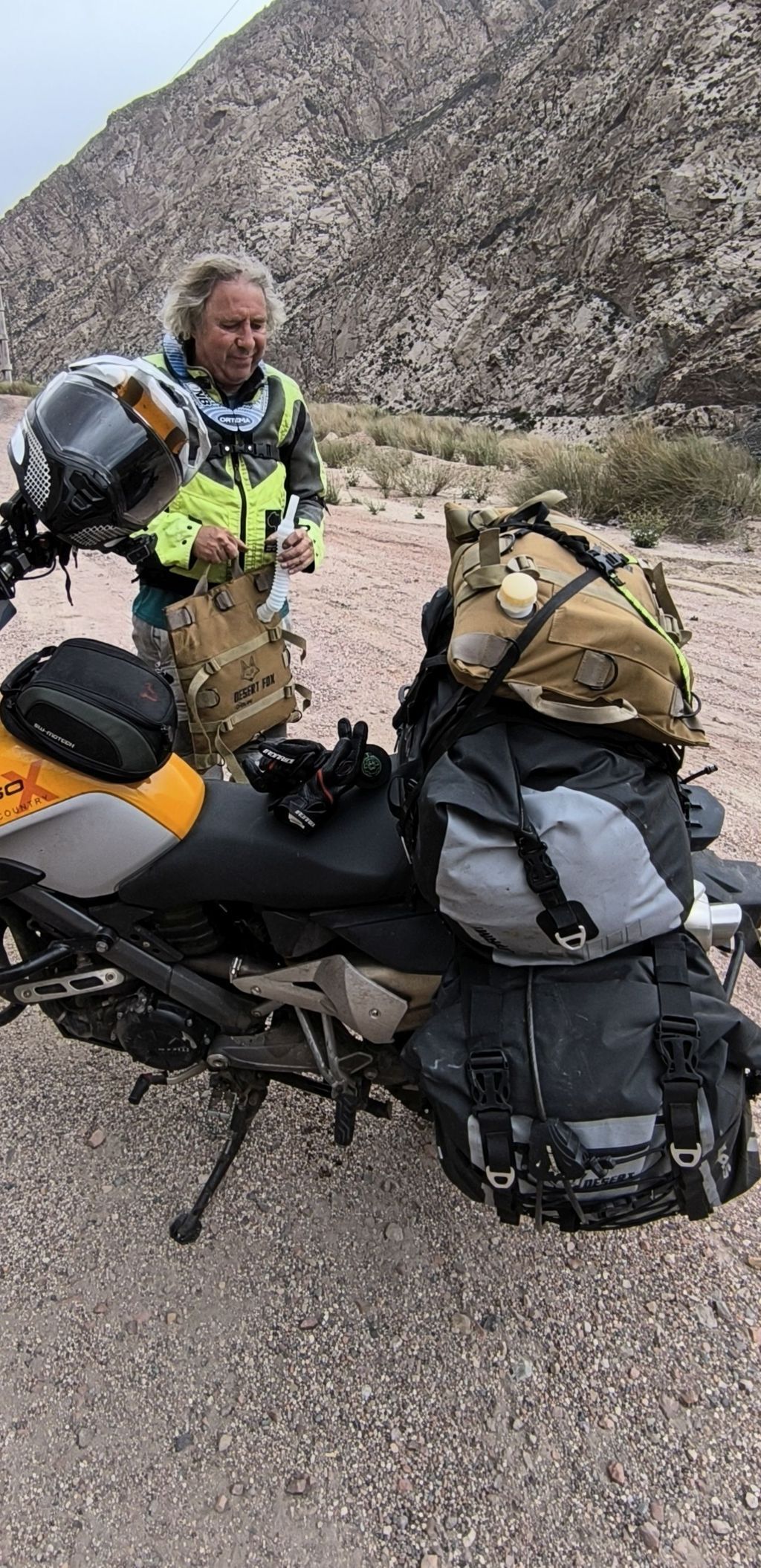
We carry our own fuel to make it through, in those brown Desert Fox fuel cells. For those who know me, how’s that for a shameless self-punt…
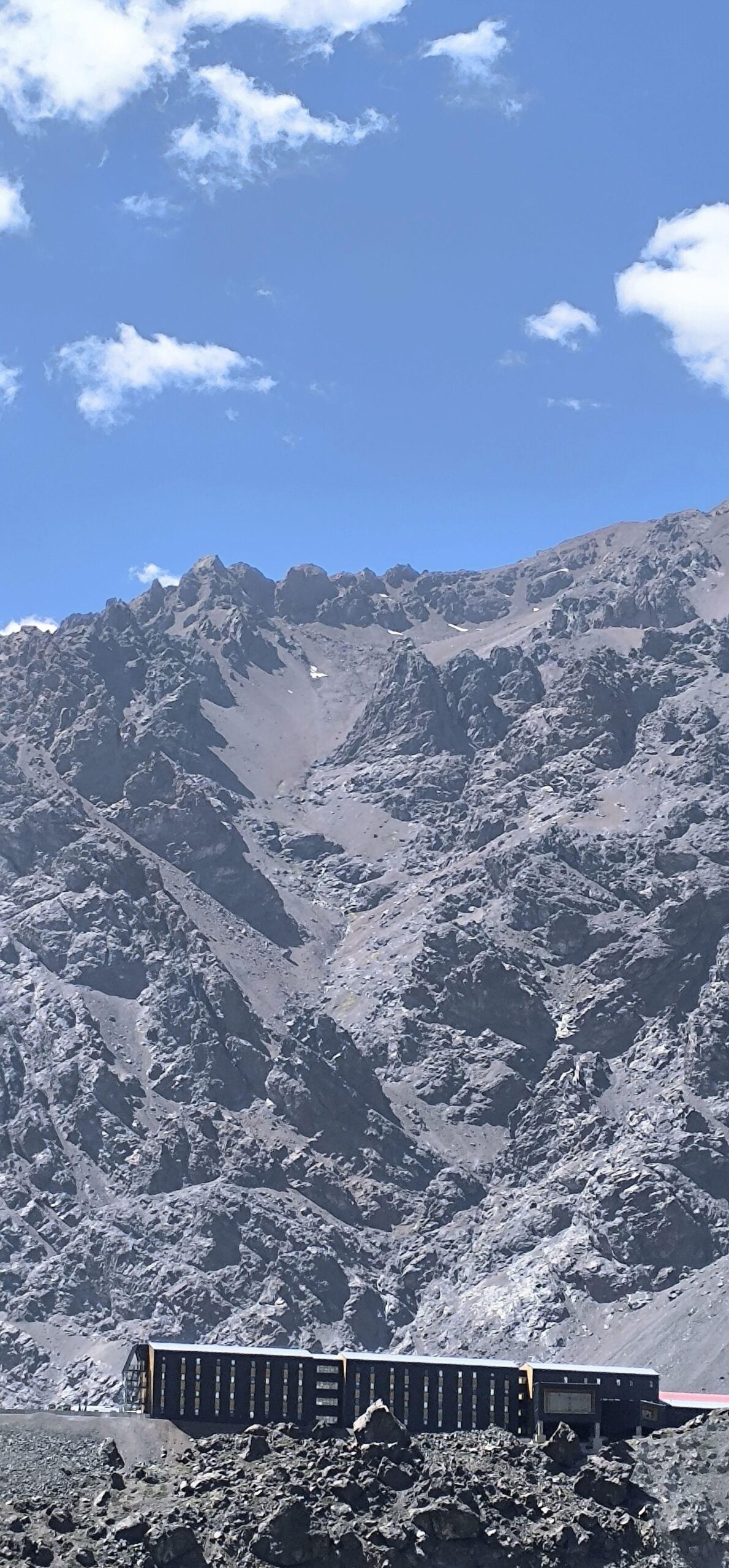
At one of the summits, we are surprised by the Border crossing. This is the Chilean border control. A grand building given its surroundings.
As we are approaching from the Argentine side, we have to first check out of Argentina, both for ourselves and our bikes. However, there is no sign of the Argentine customs.
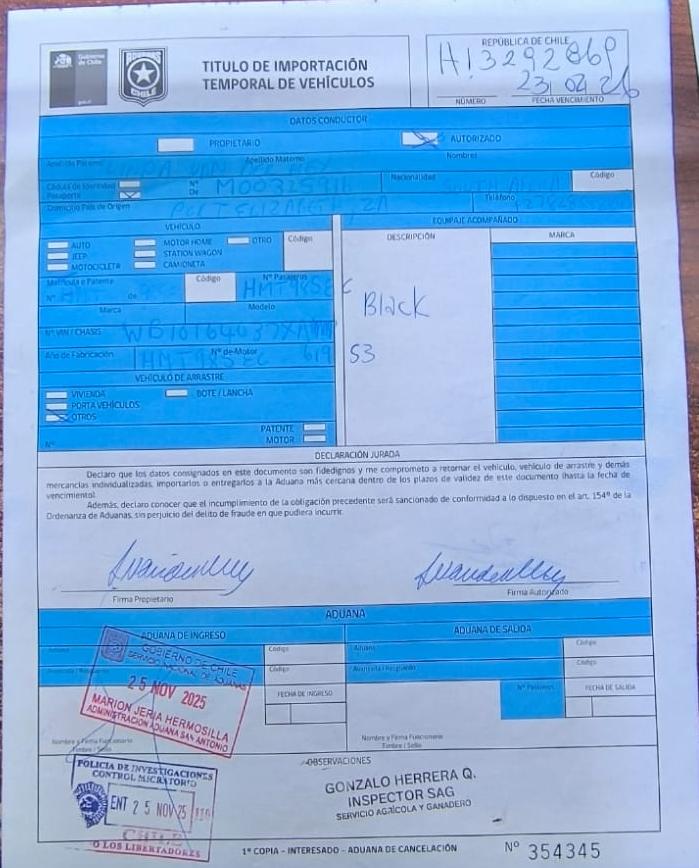
The Chilean customs tell us this is not a problem. All we have to do is fill out their forms ( in good old carbon paper), and we can be on our way.
We know this will be a problem when we need to re-enter Argentina later in our trip.
In the interim, we and the bikes are thoroughly sniffed by Narcotics dogs.
Linda surrenders her apple as a result.
While this whole process unfolds, a friendly Chilean Narco official points downwards into the earth.
We suspect he felt guilty for confiscating Linda’s apple.
It turns out there are Argentinian customs, buried two stories into the mountain, under the building you see above.
Why defies logic.
Luckily, we are signed out of Argentina and into Chile, our carbon copy in hand, as proof. The carbon, however, is old, making it barely legible.

Beyond that customs seizure warehouse (which must be full of undescribables) is Valparaiso, our next stop. We are certain Linda’s apple will not find its way to this warehouse.



I’ve learnt more from your blog than I ever did from school geography lessons!! When I get your blogs I keep them unopened until I have some quiet time to enjoy every word! Thank you for sharing you amazing journey with us. Your wonderful Mum, bless her heart, is looking so well and we chat about your adventures often.
Love reading your updates
Wonderful, literary breathtaking!! Happy Christmas, new year, birthday and travels as we are sitting at the airport for a. cruise with Anchel and my dad and might well be out of contact for a while. Lots of love , us two to you two.
Amazing scenery and those towering Andean peaks especially. Great to see Desert Fox delivering the goods and trust your Amsterdamhoek level lungs carried you over the heights without too much strain. Happy New Year !
Green with envy. Wish we could have joined you. Well done!
OOPS. Correction. I don’t think one walks from Kathmandu. You walk from somewhere closer. Either way, it is still gradual. No-one bikes to Everest. I’ve never seen a Sherpa on a piki-piki but maybe after lots of coca tea one does. Can’t wait to read and see more. Lots of love.
Wow. Kathmandu is 1324m above sea level and it takes 12 days to walk, and acclimatize, to base camp at 5364m. Are you gradually climbing? It sounds frightening. Scary. My heart is racing just having read this. Almost zero signs of life. Sans large alveoli and reduced red blood cell? Will you be able to breathe okay? Or will the Coca tea help? Have you stocked up? Well done on those Desert Fox Fuel cells! They look awesome. Can they carry wine? (asking for a friend). About wine and chocolate. I maintain they cure all problems. I see you have both – well done! The mountains look absolutely breathtaking (excuse the pun). 9000km of this – super wow! How many km of these will you be travelling through? This is really getting epic. I’m excited for both of you and cannot wait to read and see more. Look after yourselves. Breathe. Happy 2026. Much love.
Thank you for the amazing pictures and the overview, very nice
Thanks for taking us with you over the Andes! Such a remarkable telling of your journey there. Those views are magnificent and the changes in colour amazingI
I was touched by the chocolate and the apple and your fuel cells Harry !!!
And your knowing how important that piece of paper was. (I remember Jan telling me about that too)
I have flown over the Andes and it is so good to see it in real life from your eyes.
Love this I am sure the air quality was perfect albeit a bit on the thin side. Fabulous pics and why not self promote? If it does the job then its fine.
Have fun looking forward to the next chapter in your tour
What a awesome trip you are experiencing. Lovely to see all your post. Travel safe and enjoy .
Firstly, Happy New year Harry and Linda! Good to see you conquered the Andes! Keep the wheels rolling! Nods
Great post Harry . I’m wondering what altitude you went up to on your journey and if it affected you ?
Your bikes look seriously laden down . Respect!
You guys & your journey are incredible!!