
In the remote Maule area, roughly 350 km south of the Chilean capital, Santiago, is Village Bavaria.
With sloping red-tiled roofs, trimmed lawns and a shop selling home-baked ginger biscuits, Villa Baviera (previously called Colonia Dignidad) looks like a quaint German-style village, nestled in the rolling hills of central Chile.
But why go there? Before leaving SA we watched a series on Netflix called Colonia Dignidad and were moved by it.
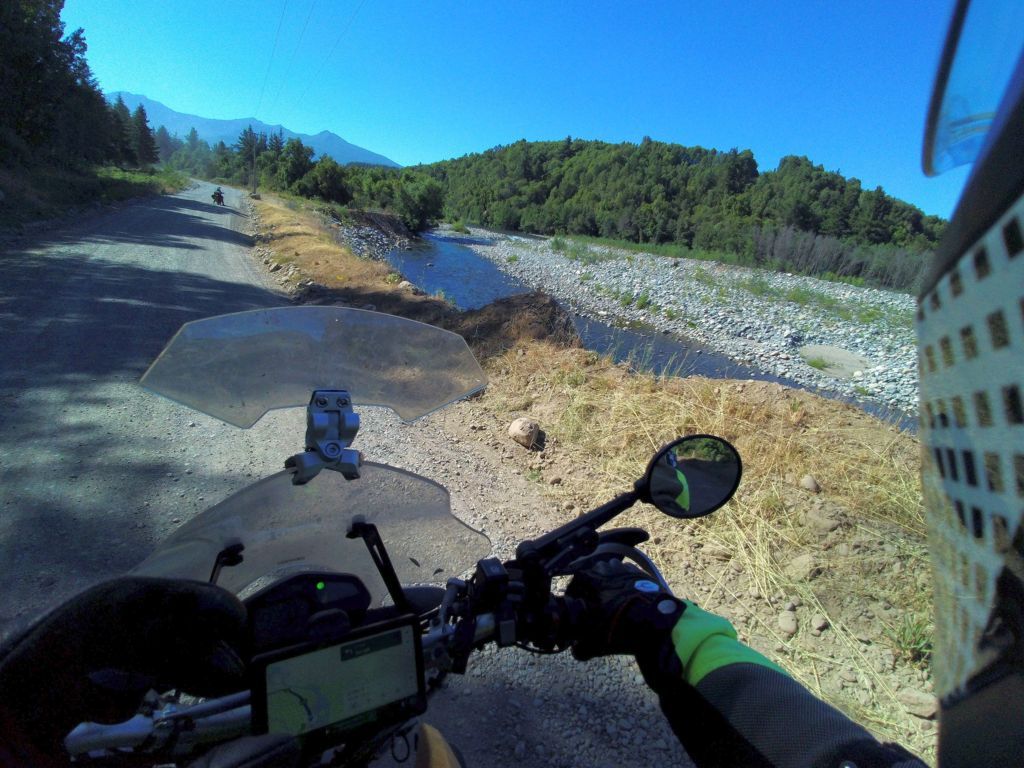
The approach has fantastic Alpine scenery


But this village has a dark past.
Once known as Colonia Dignidad, it was home to a secretive religious sect founded by Paul Schäfer, a manipulative & abusive leader who collaborated with the dictatorship of Augusto Pinochet.
Schäfer, a former officer in the Wehrmacht during World War II, became a lay preacher in post-war Germany, where he worked with children at risk. He left Germany in 1961 after allegations of sexually abusing children were levelled against him.
Moving to southern Chile with a group of his followers, he established Colonia Dignidad as a highly authoritarian agricultural commune with himself as the leader.
The commune was run as a secretive cult with members living as virtual slaves, prevented from leaving by armed guards with dogs.
At its height, 300 Germans and Chileans were living in the 137 sq km compound surrounded by wire fencing and overlooked by a watchtower with searchlights.
Children were forced to live separately from their parents, and dozens were sexually abused and tortured by Schäfer.
To the outside world, Schäfer portrayed the colony as a harmonious group dedicated to farm work and providing free healthcare and education to the surrounding villagers.
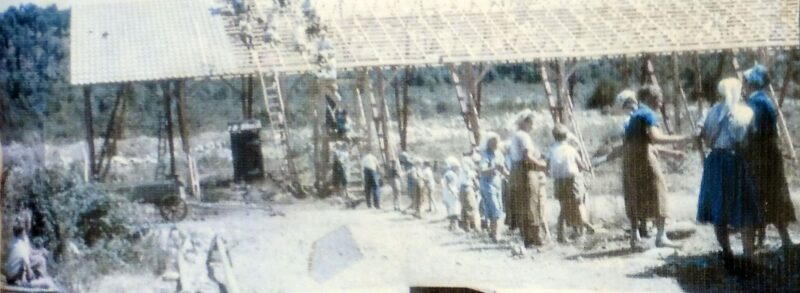
Building a barn
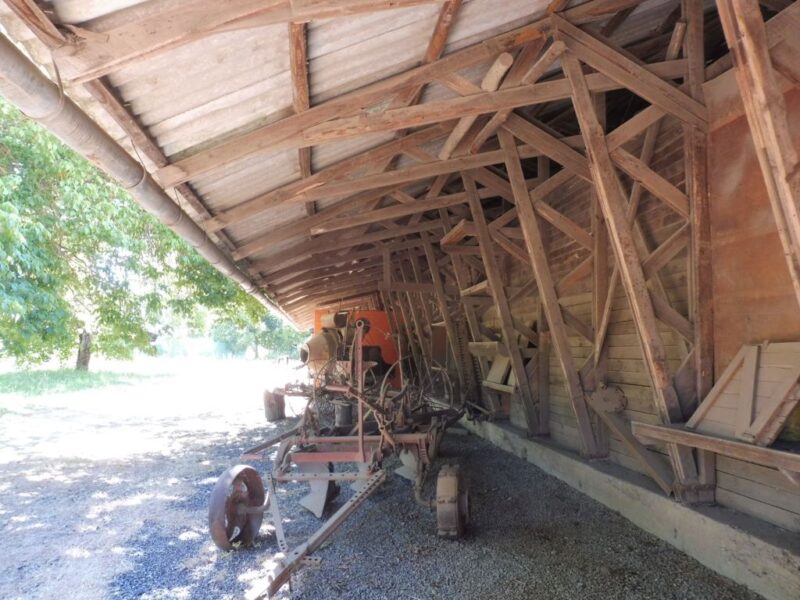
That barn still stands today
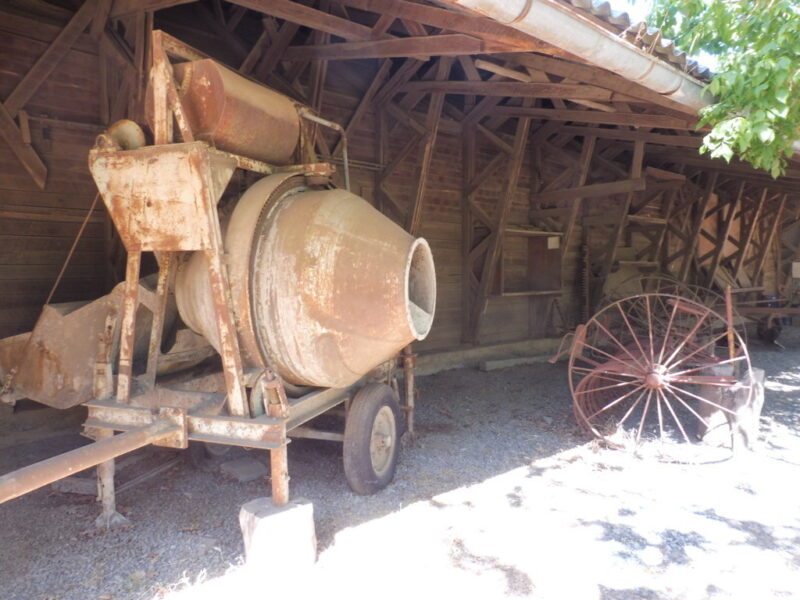
Though the farm and building implements are abandoned
Schäfer understood the significance of PR, recording everything on film while hosting events with important government dignitaries as guests.
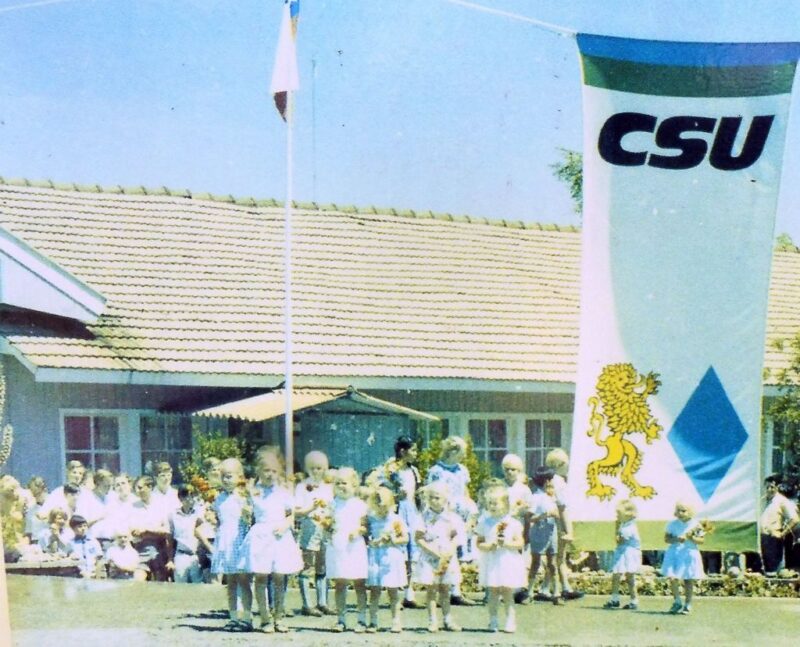
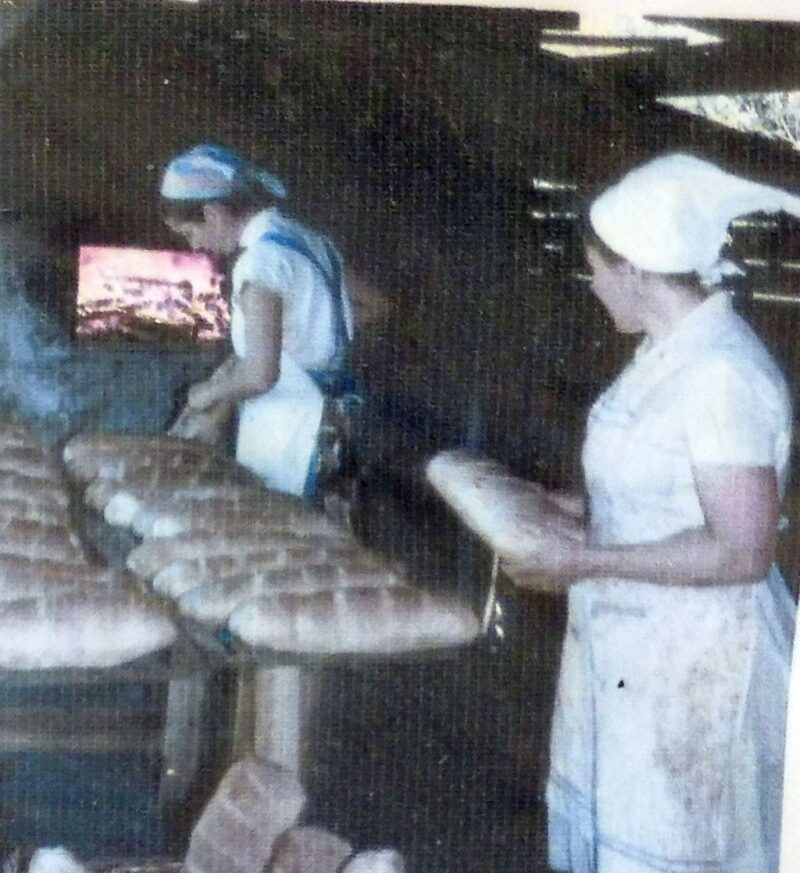
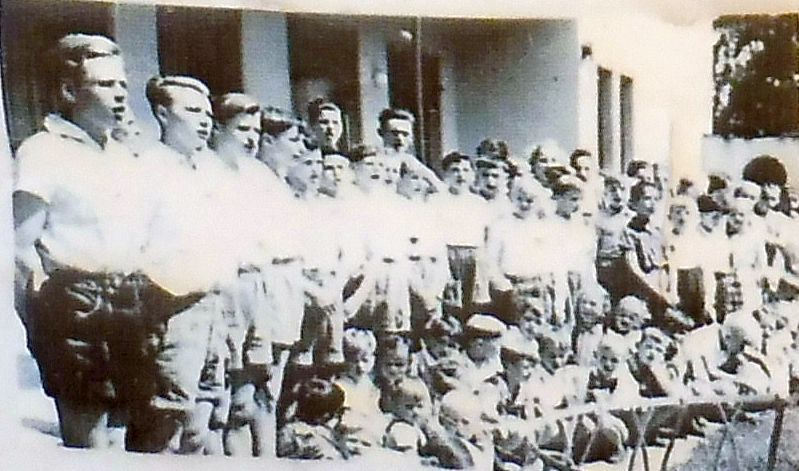
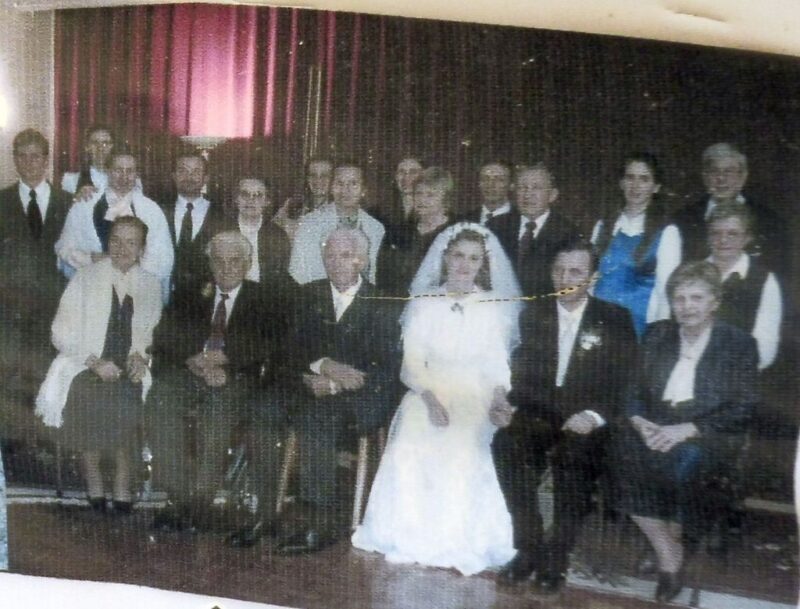
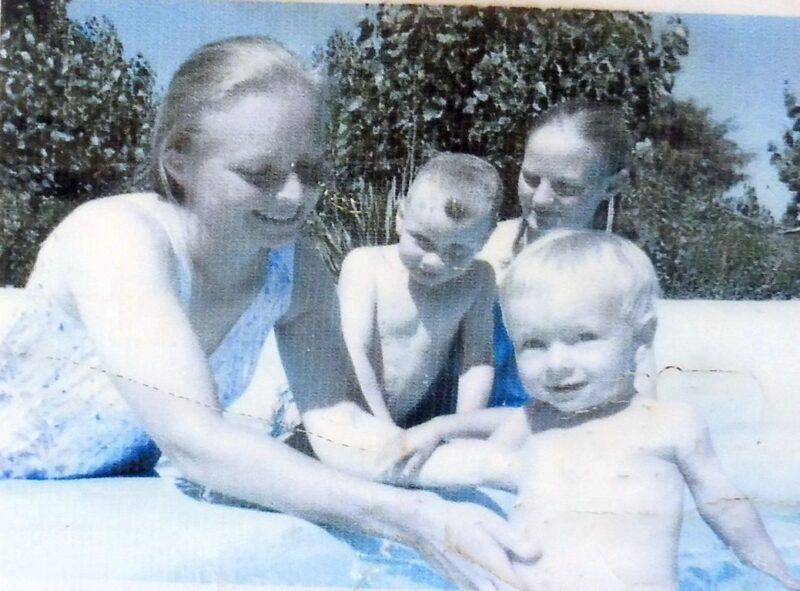
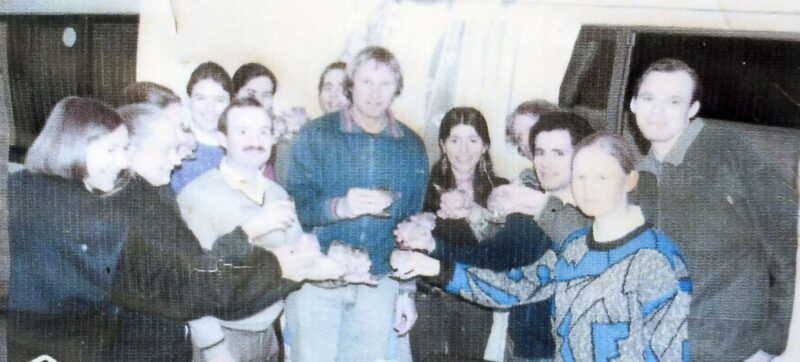

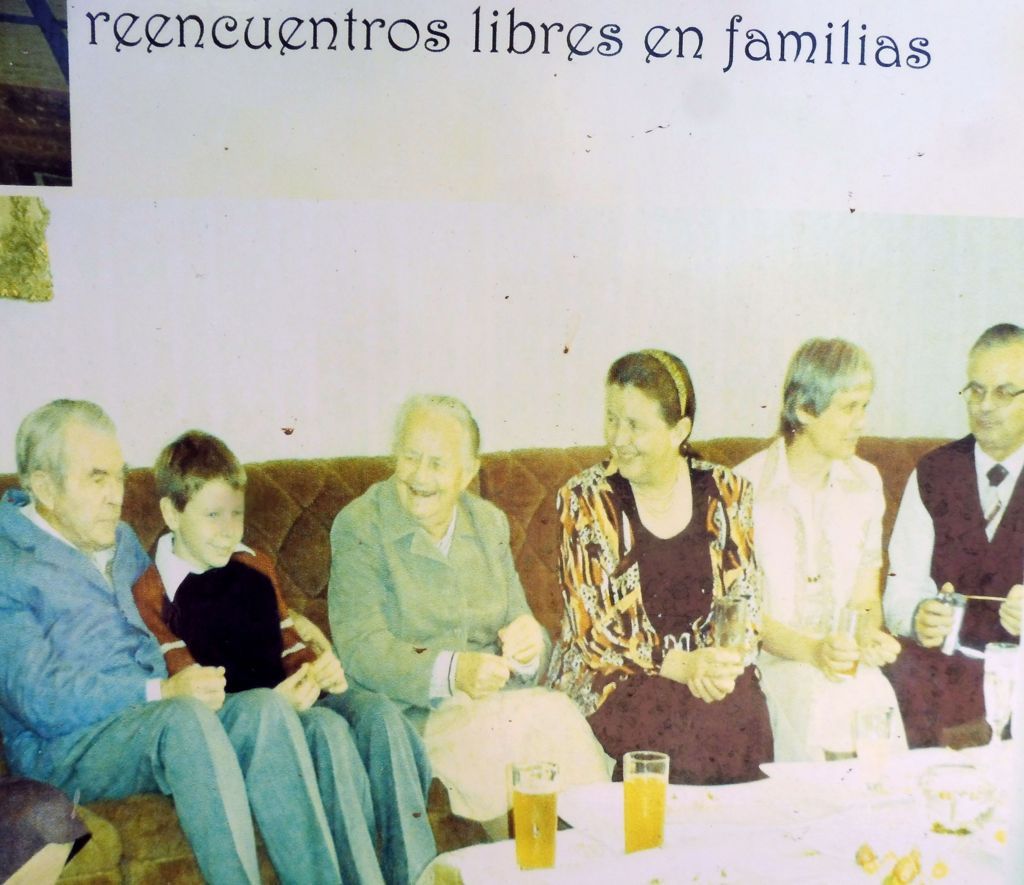
Paul Schäfer left. The title reads “Free family reunions”
However, reports of abuse, torture and abductions began to emerge as early as 1966 when one of the commune’s young members managed to flee to Germany.
The young man told police how he had been taken to Chile by Schäfer and his group, forced to work long hours building the commune and had to endure savage beatings and sexual abuse, as well as being drugged after his first two failed escape attempts.
It was not just members of Schäfer’s sect who suffered abuse at the colony.
After Gen Pinochet led a coup in 1973 and took over as Chile’s leader, Colonia Dignidad became a clandestine detention center, aided by its remoteness.
About 300 opponents of the regime were interrogated and tortured in its underground tunnels, both by members of the Chilean secret police and Schäfer’s associates.
Many of these political prisoners were never seen again.
Forensic police still comb the area today for remains.
Across Chile, more than 3,000 people were killed and more than 40,000 tortured during the Pinochet regime, which was in power until 1990.
Schäfer fled Chile in 1997 while facing several lawsuits over the sexual abuse of children at Colonia Dignidad. He was arrested in Argentina in 2005 and sent to jail in Chile to serve a 20-year sentence.
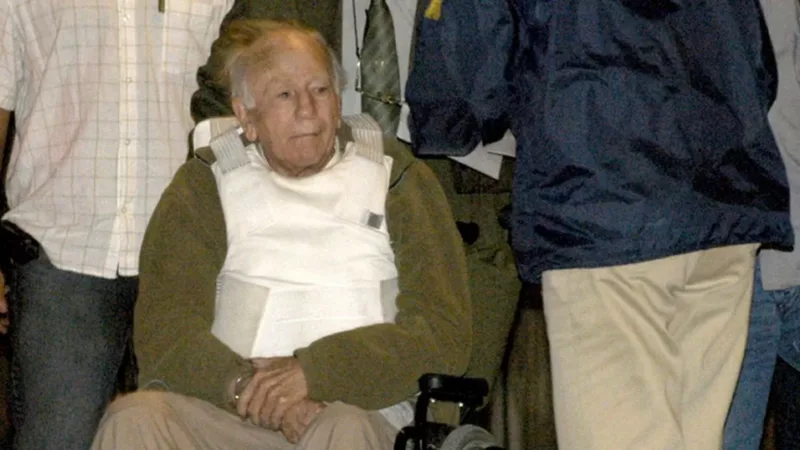
Paul Schäfer incarcerated
He died in prison aged 88 in 2010.
Colonia Dignidad changed its name to Villa Baviera in 1991.
More than 100 people, mainly former members of Colonia Dignidad, still reside at the site, with many stating it is the only home they have ever known.
The government wishes to commemorate Pinochet’s victims there. It plans to expropriate 117 hectares of the 4,829-hectare site, including buildings where torture took place, and sites where victims’ bodies were exhumed, then burnt and their ashes deposited.
But the plans have divided opinions.
Seventy-three residents and former residents of Villa Baviera have written to the Chilean president expressing their concern about the expropriation plans, requesting to be involved in discussions about it.
They want the government to ensure that when the expropriation takes place, the indemnification payment is distributed amongst all residents and former residents.
This process is still ongoing.
In 2019 the German government decreed that both German and Chilean survivors became eligible for compensation through the establishment of a €3.5m compensation fund.
Very limited legal accountability has occurred both in Chile and Germany; some perpetrators remain fugitives. Victims voice frustration with the lack of justice and public remorse.
The scars continue to run deep.
Villa Baviera, now marketed as a tourist village with events like a beer festival, a German-themed restaurant, and a hotel.
A worthy effort by a traumatised community trying to get on with life.
Yet no museum or memorial acknowledges the past atrocities.
Those who cannot remember the past are condemned to repeat it today.
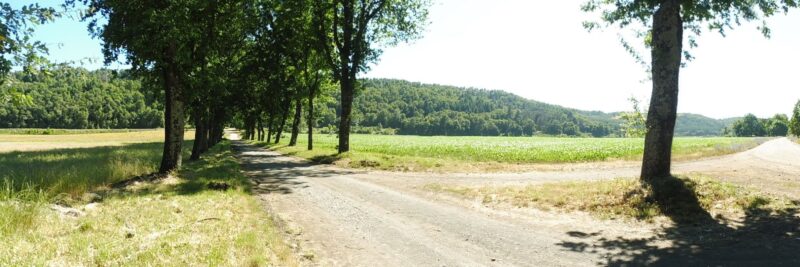
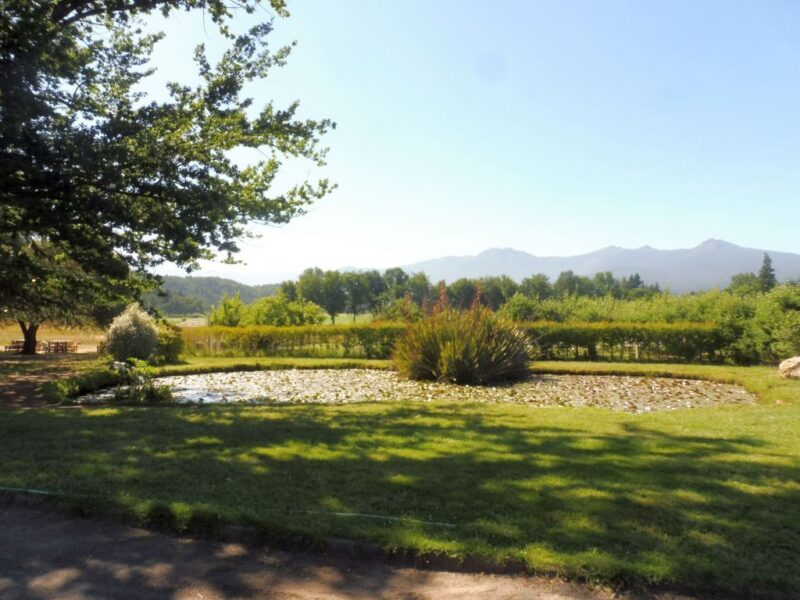
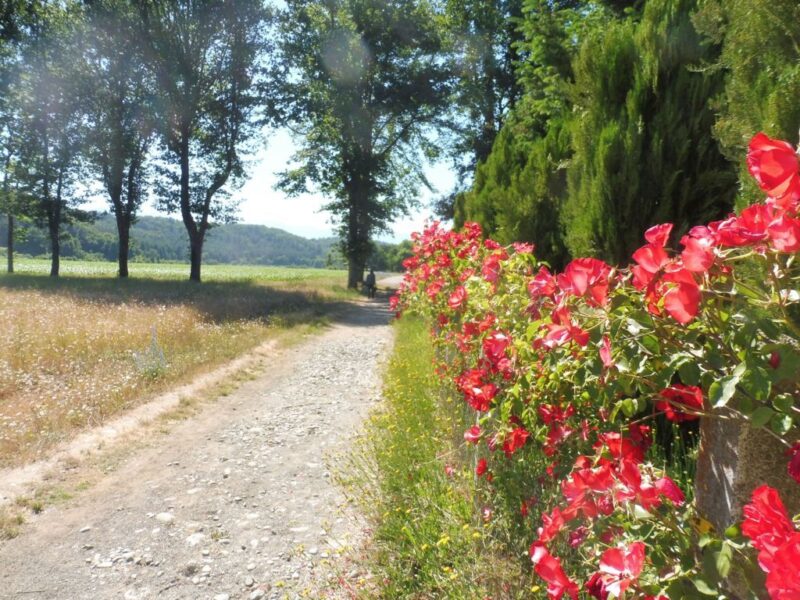
A few pictures of Villa Bavaria today

The Hotel
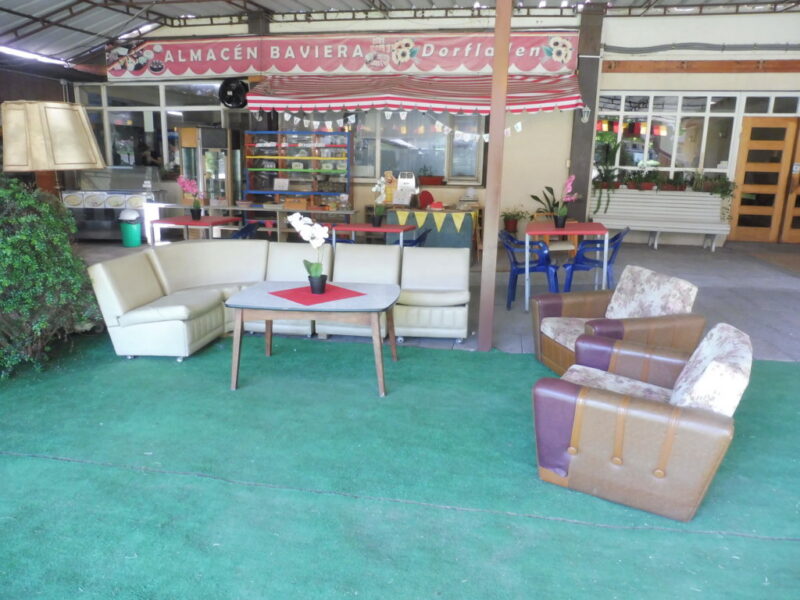
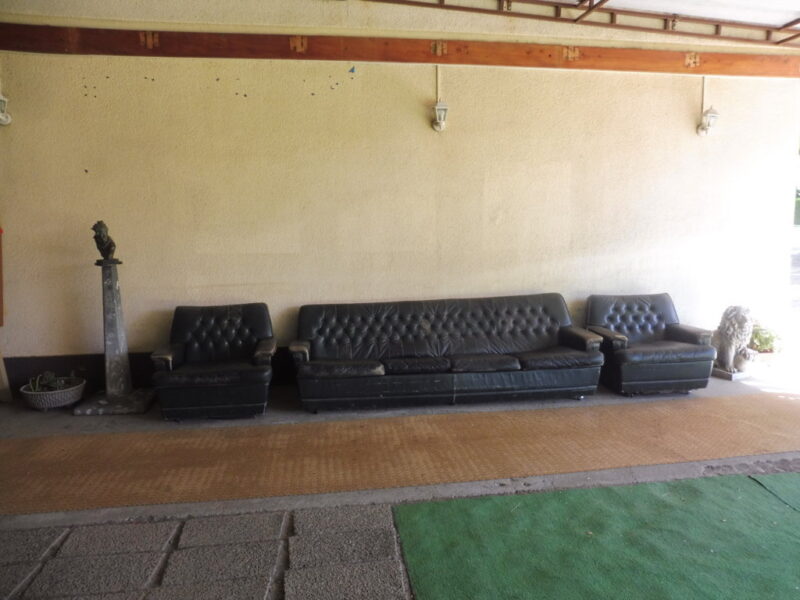
With period furnishings
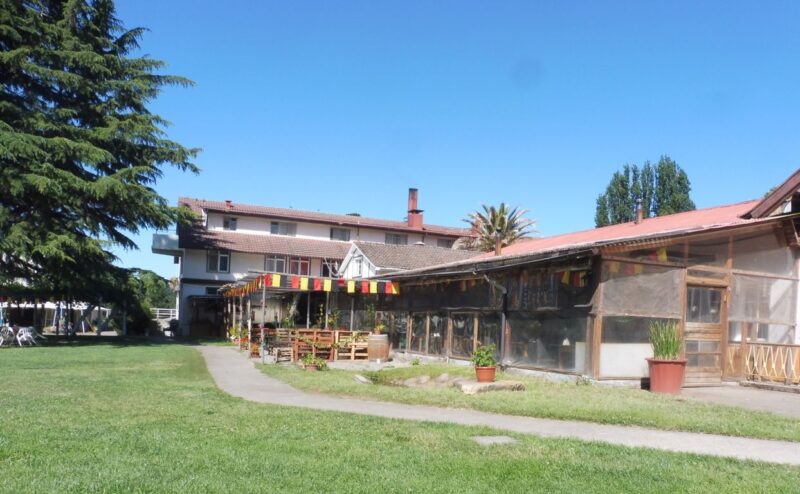
and beer garden
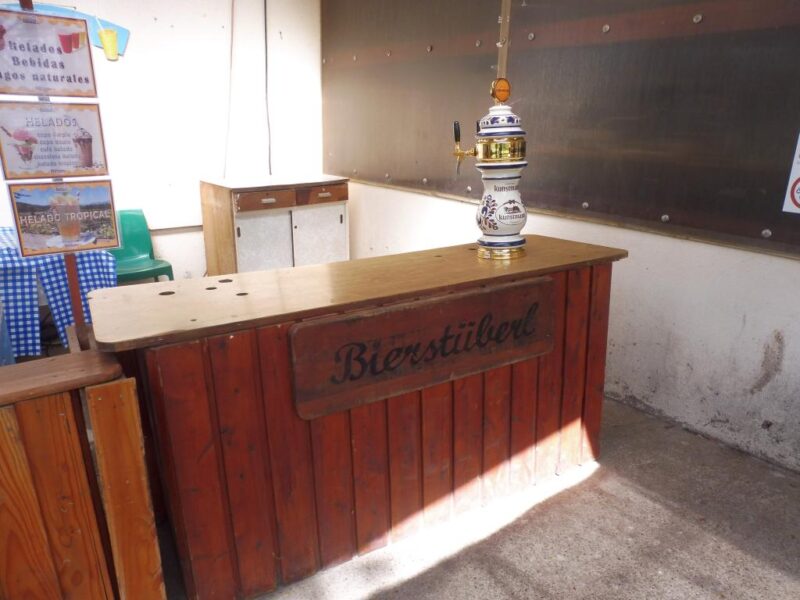


One wonders when this was last used & by whom.
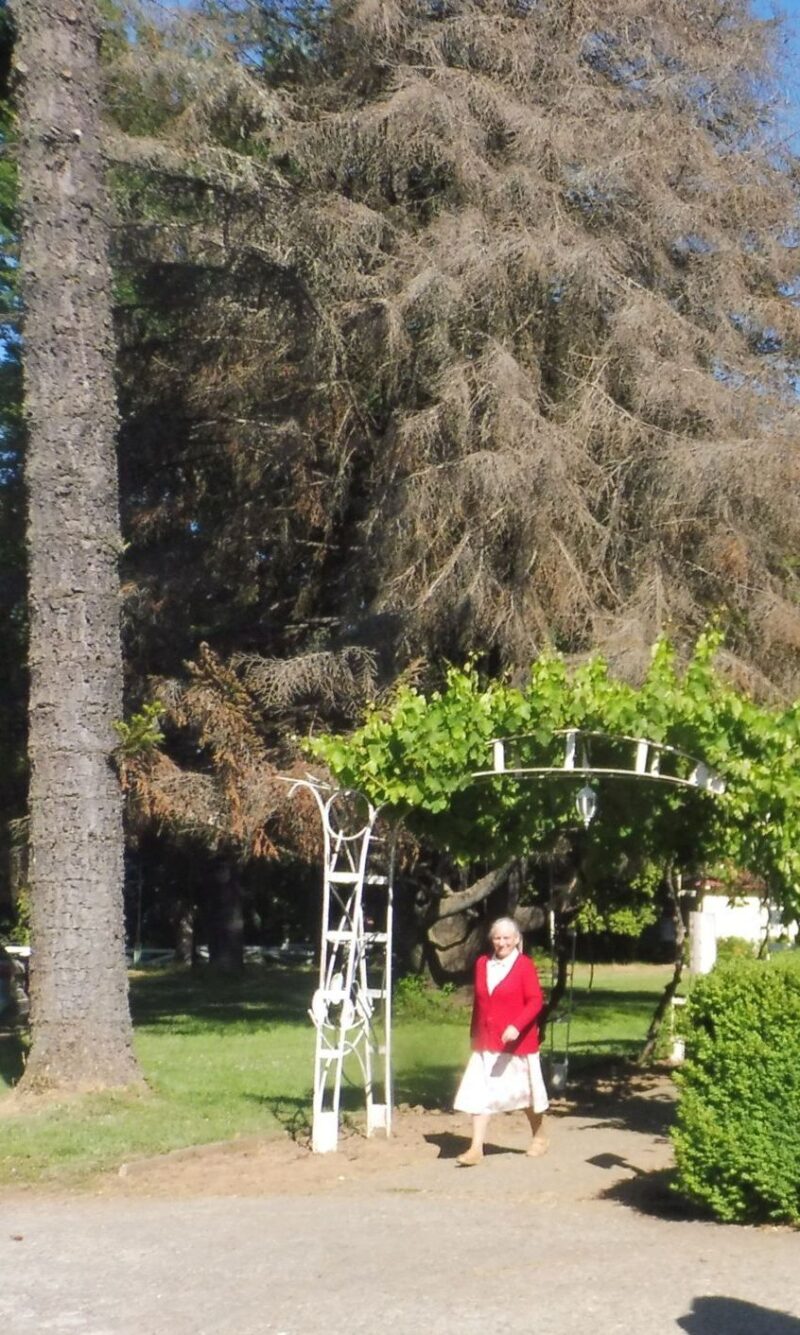
Local residents’ homes and surroundings remain off limits to visitors


This substantial structure was Paul Schäfer’s home







What a horrific reality and thank you for bringing this out into the open, to expose the atrocities. Such a beautiful part of the world and may those that suffered displacement and abuse, be acknowledged. I know money does not heal everything, but may they be appropriately reimbursed for all they endured and lost.
Wow, exploring is also about learning history. Things are not always as it appears. Thanks for sharing Harry.
This is an awful piece of history. this needs to be laid bare. How can it be covered up with those welcome signs and bright colours. Not everything is as it seems. This an eye-opener. Thanks for not glossing over this. We need to know. This is a revealing post, many thanks
Every dark cloud has a silver lining. May the afflicted find recognition, recompense, solace and peace> Thank you for the sensitive narrative of a tragic history.
Thanks for sharing the story. Although it is awful how cruel people can be without others noticing of looking the other way.
WHat an awful history. How cruel can humans be to each other. Thanks for your post L&H it must have been a ‘chilling’experience.
The veneer of normality painted over a pit of horror and cruelty . A bit reminiscent of the Nazis and their concentration camps.