
Where do we begin to tell Paraguay’s story? Maybe with that building that unsettles us, so much? It’s in the centre of the capital, Asuncion. They call it the ‘Pantheon of Heroes’, (‘Panteon de los Heroes’). And here lie the remains of Paraguay’s heroes. There are 3 presidents, the wife of the last and 2 child-soldiers and 2 unknown soldiers.
But, we read, a cast of dictators rule Paraguay for the 19th and most of the 20th century. And sure enough, those three presidents, in that building, are utter dictators.
Yet not a single nasty word nails those presidential caskets. They squat splendidly. Outside, young soldiers stand like cement at the entrance. Until suddenly, with pomp, they change. And inside, the Virgin Mary is stuck with tyrants forever. But, at least, she’s there for the child soldiers. Coups follow dictators, and dictators follow coups. Flip, how these oppressors shape Paraguay today!
Here are the photos of the ‘Pantheon of Heroes’ in Asuncion.

This is Asuncion, the capital of Paraguay, where we visit …
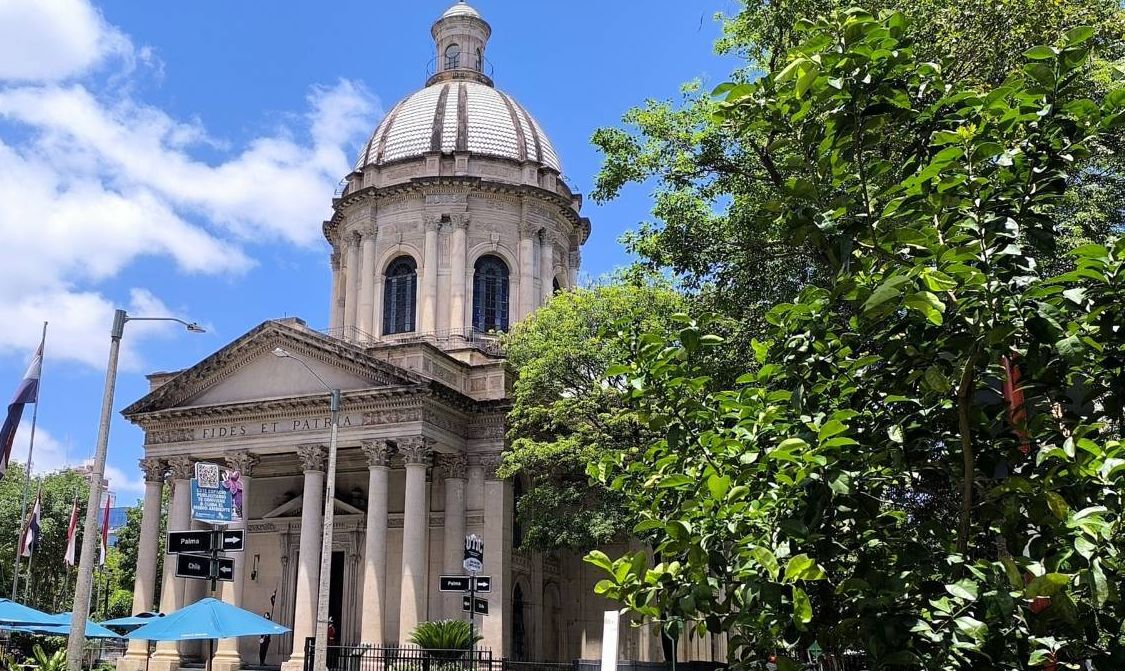
… this building called the ‘Pantheon of Heroes’.
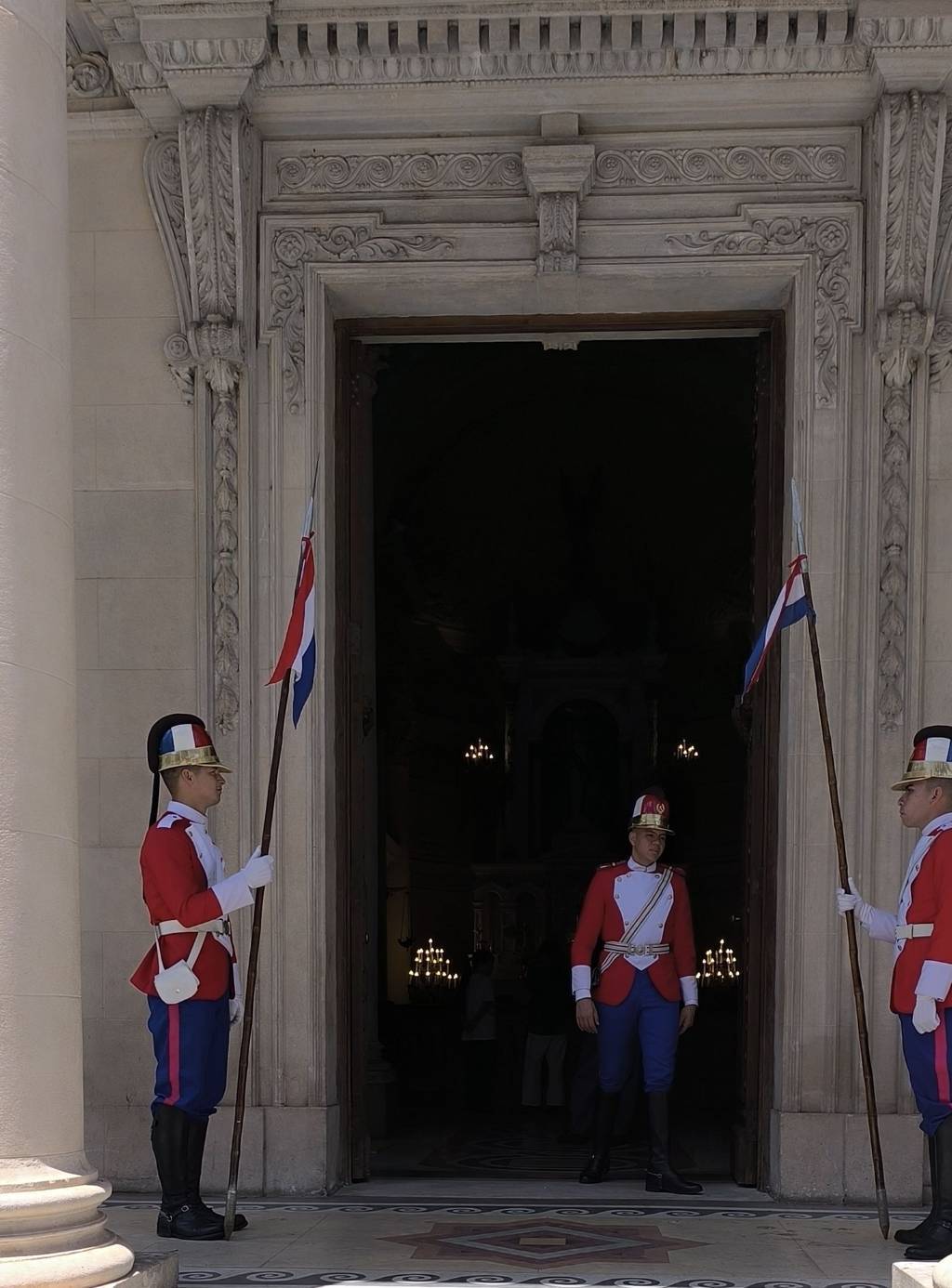
The view from the outside.
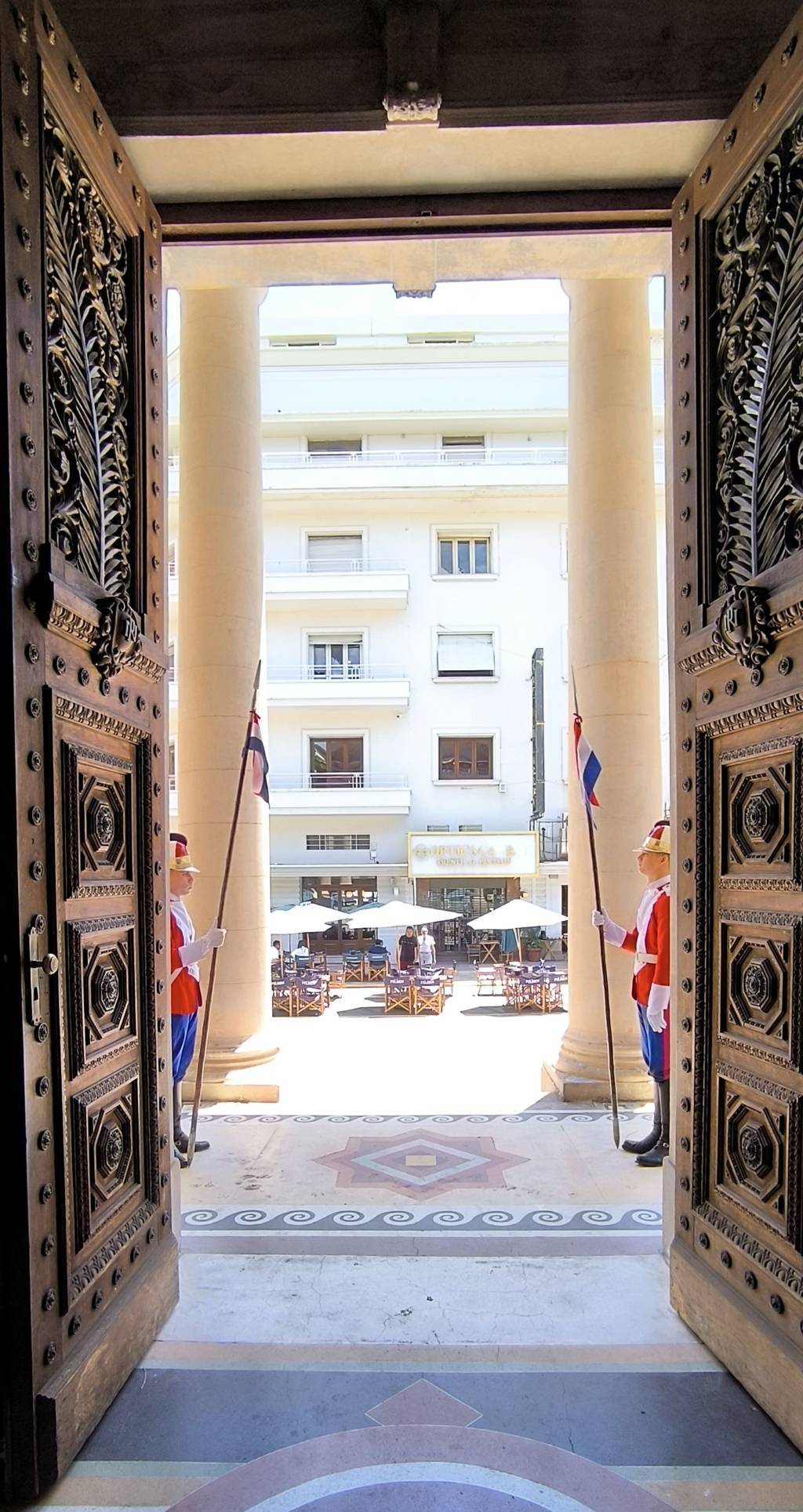
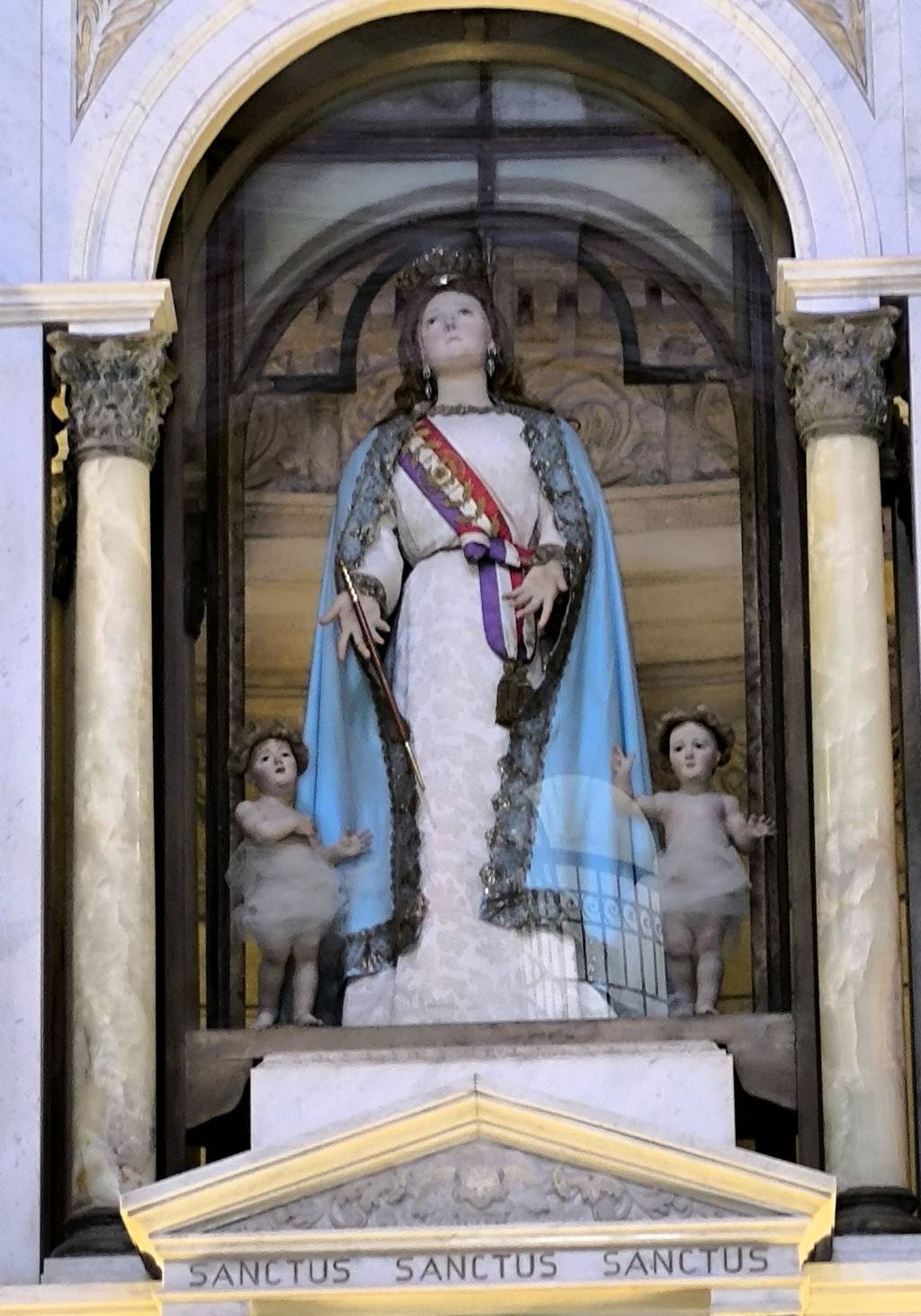
And the view from the inside …
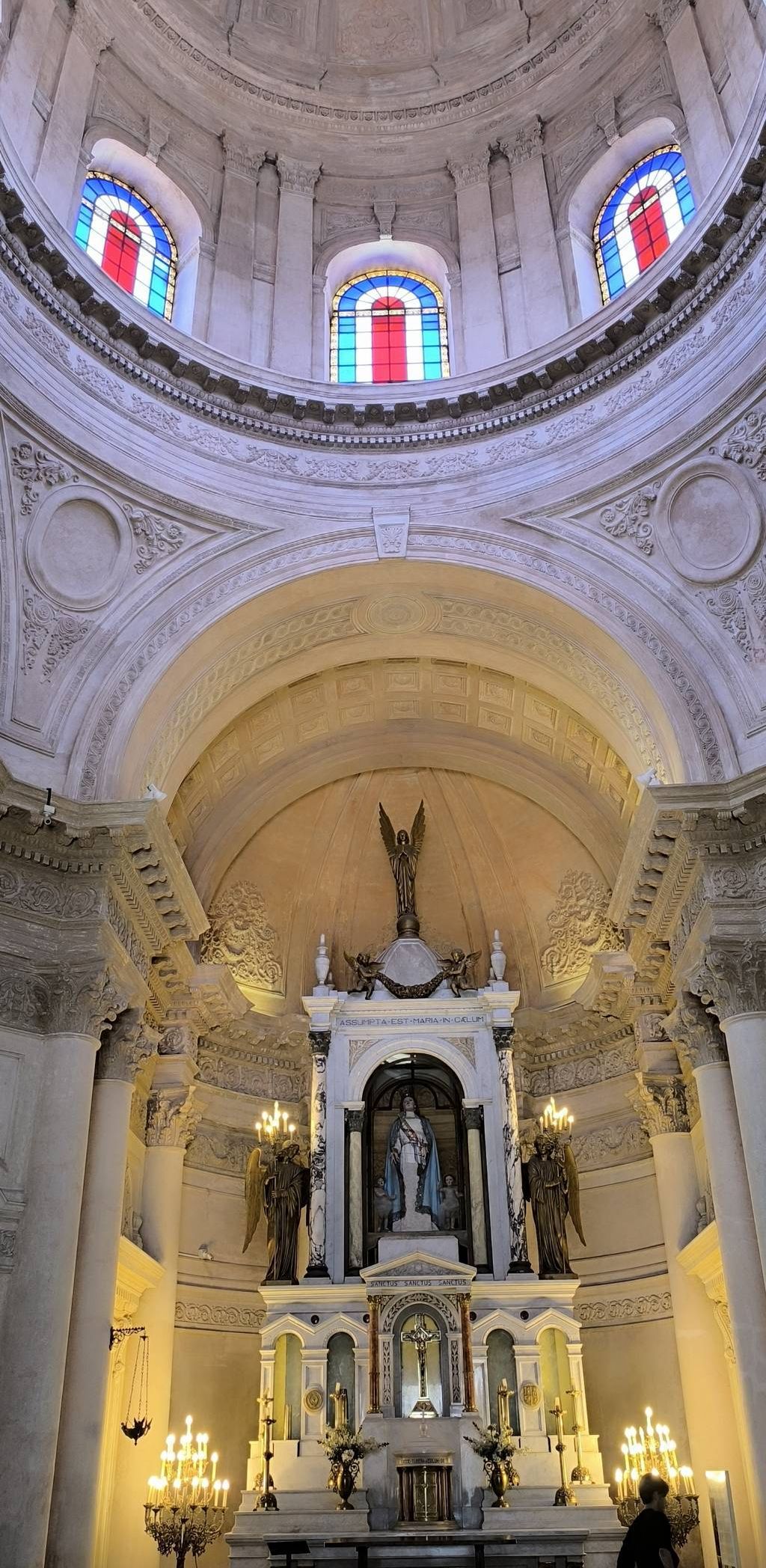
…

Here in caskets lie the remains of 3 presidents, the wife of the last, 2 child-soldiers, and 2 unknown soldiers.
Two tyrants jump out at me! First there’s De Francia, then Lopez.
De Francia is the first leader after independence, in 1811. He pre-dates the Pantheon, so he isn’t there. De Francia is a socialist to the bone. He introduces socialist type programmes long before the ‘first’ socialist country exists (Russia, in 1917). He seals borders to promote self-sufficiency. He expropriates properties from landholders, merchants and the church. His state becomes the only power. Paraguayans call him “Supreme and Perpetual Leader”. Then in 1814 he imposes a law that forbids individuals of Spanish descent to marry each other! He mandates them to marry people of mixed race (‘mestizos’), or of indigenous (Guarani), or of African (slave) descent.
This seems wildly different to us. We know of racial prejudice and ‘apartheid’ at home. And we know of the immoral eugenics movement in Nazi Germany and other places in the world. But this is the reverse!
The leaders we endure. We suffer! Mostly they force us apart. And here, in Paraguay, they force us together.
De Francia’s intent is to break the power of the colonial elite. To reduce socio-economic disparities and create a more unified mixed race society. But, by decree, really!
A social engineering experiment! And to be honest, we are curious to see the result, today.
Today, Paraguay has the most ethnically homogenous population in South America. Ninety-five % (95) of Paraguayans are ‘mestizos’ (mixed race), and only 5% are Guarani (indigenous) or white. Paraguayans speak both Spanish and Guarani. An impressive 90% of Paraguayans speak Guarani. And the national currency is called Guarani.
Other Latin American countries have much lower numbers of ‘mestizos’, or indigenous groups. In both Uruguay and Argentina, approximately 85% identify as white (European heritage), with only 15% as mixed race or indigenous. And both groups speak Spanish; the language of the colonisers.
These are the stats. But how do Harry and I ‘see’ and ‘feel’? We know we’re not qualified at all! As we travel through Uruguay, Argentina and now, Paraguay! But here goes ….
Yes, in Uruguay and Argentina, we see those 2 diverse groups. One is of European descent. The other is of indigenous, slave and mixed descent. The ‘us’ and ‘them’ scenarios, we have at home too.
And, in Paraguay, we mainly see one large group. It’s the ‘mestizos’ (the mixed race). And only occasionally we spot a crowd of Guarani or white folk.
So, yes, Paraguay is the EXCEPTION. And, for sure, the Society of Paraguay is EXCEPTION-AL.
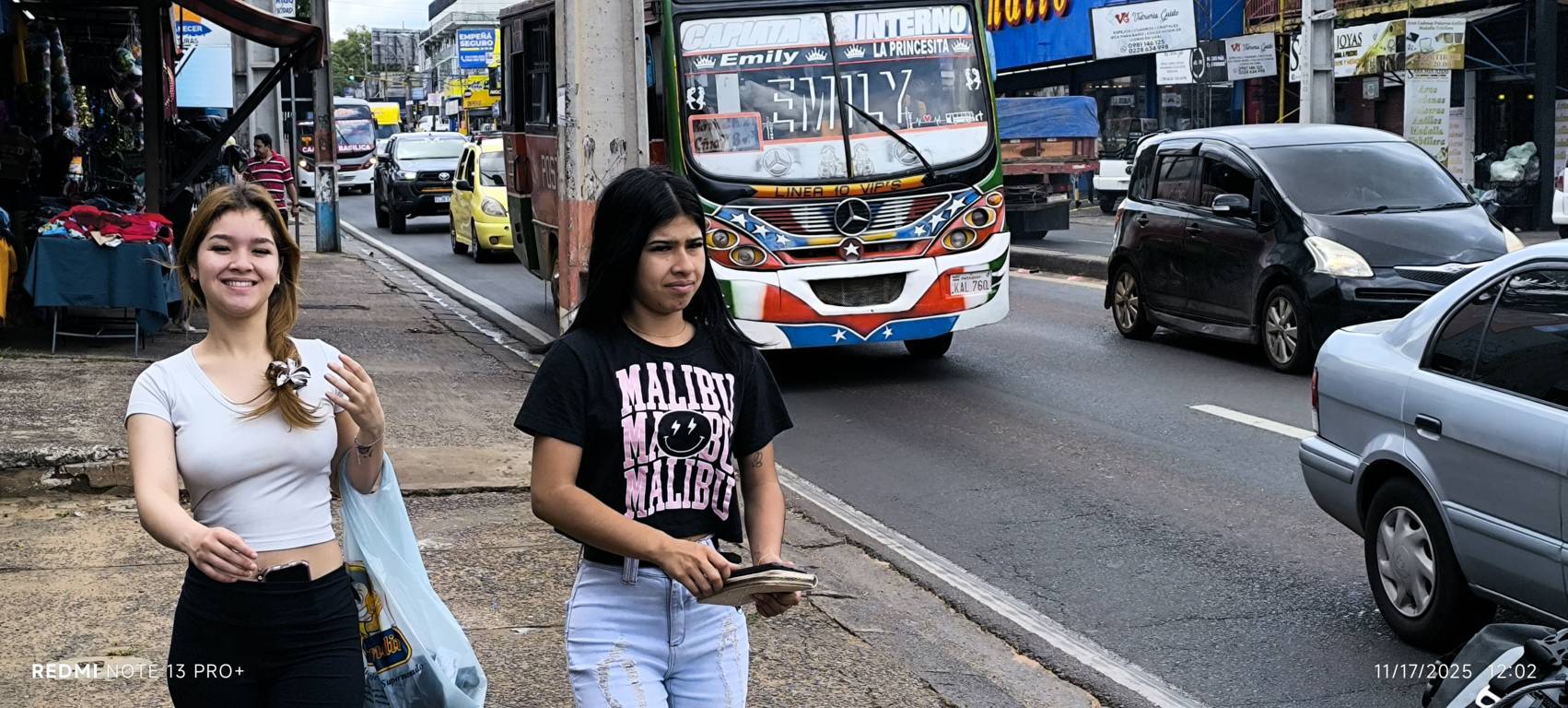
It’s impossible to capture with photos. But here is a selection.
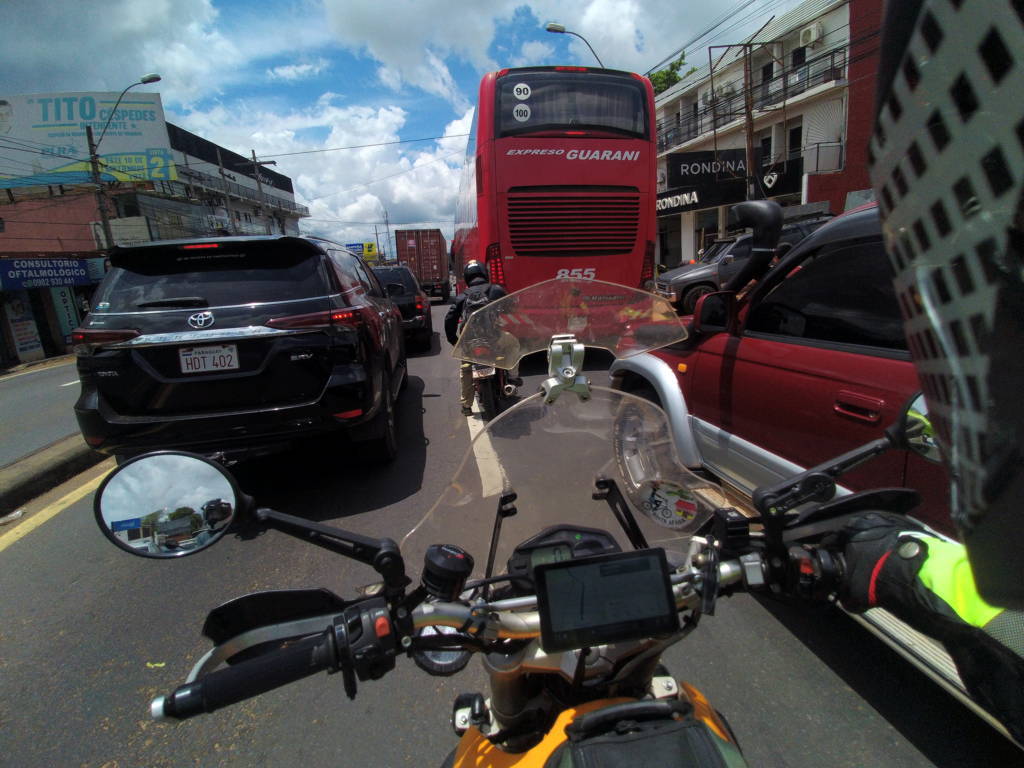
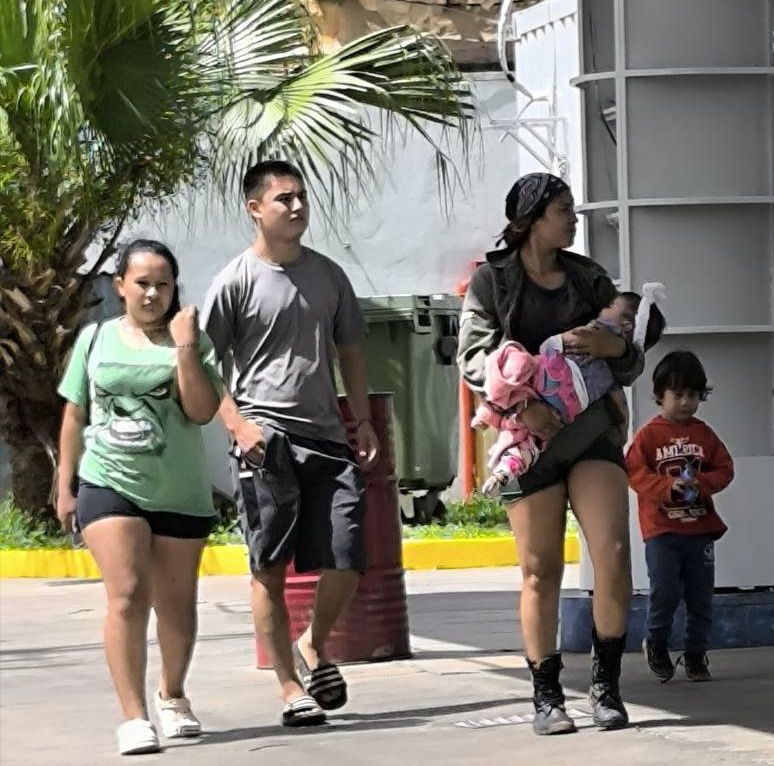
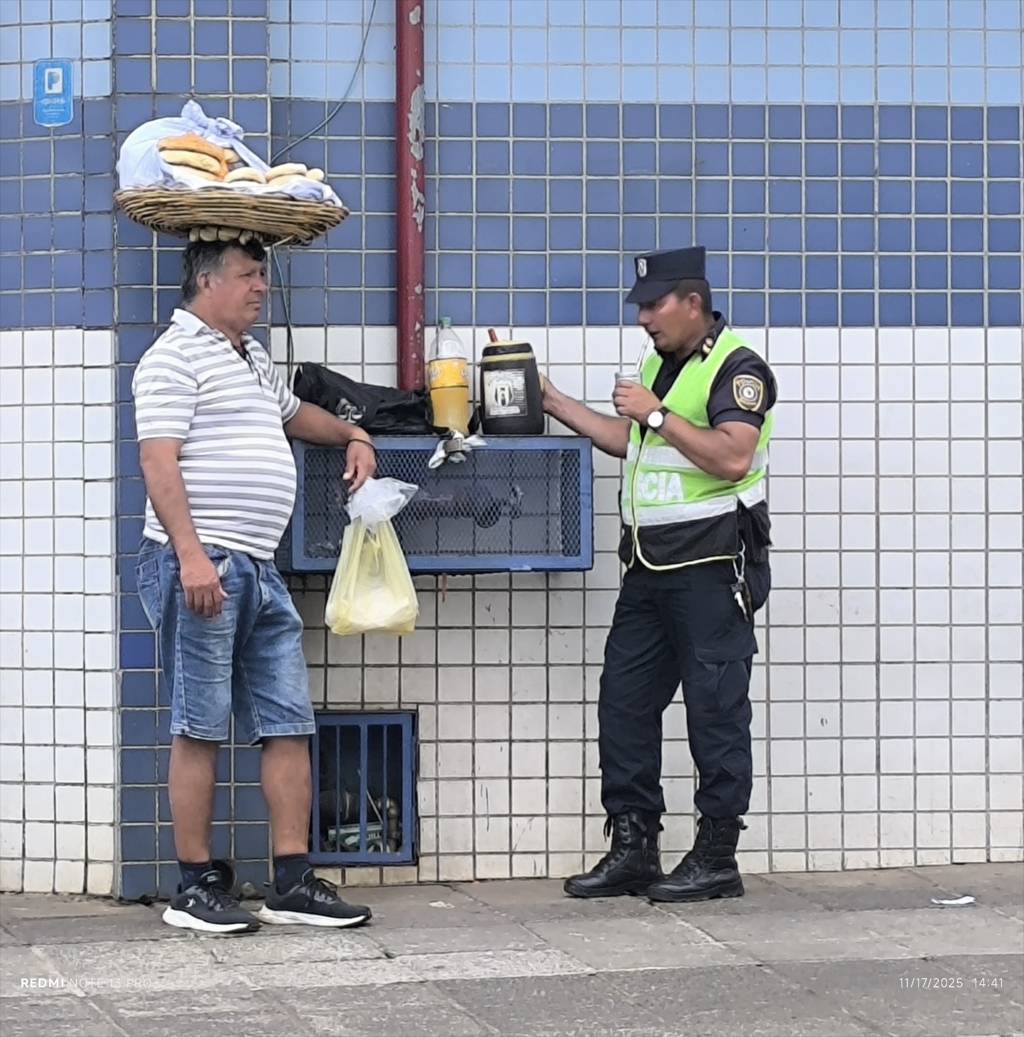
Paraguayans are busy, especially in the capital, Asuncion.

…
…

…

…
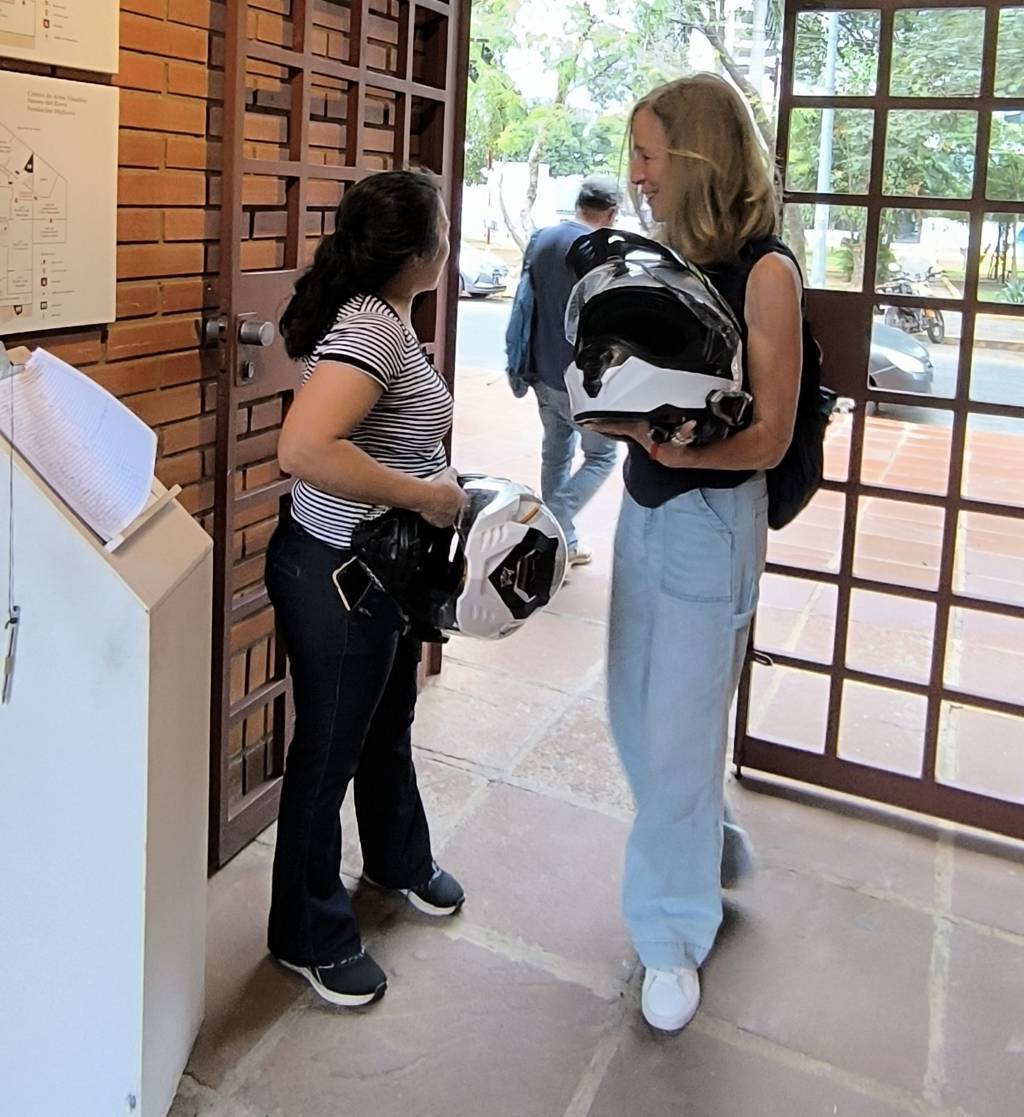
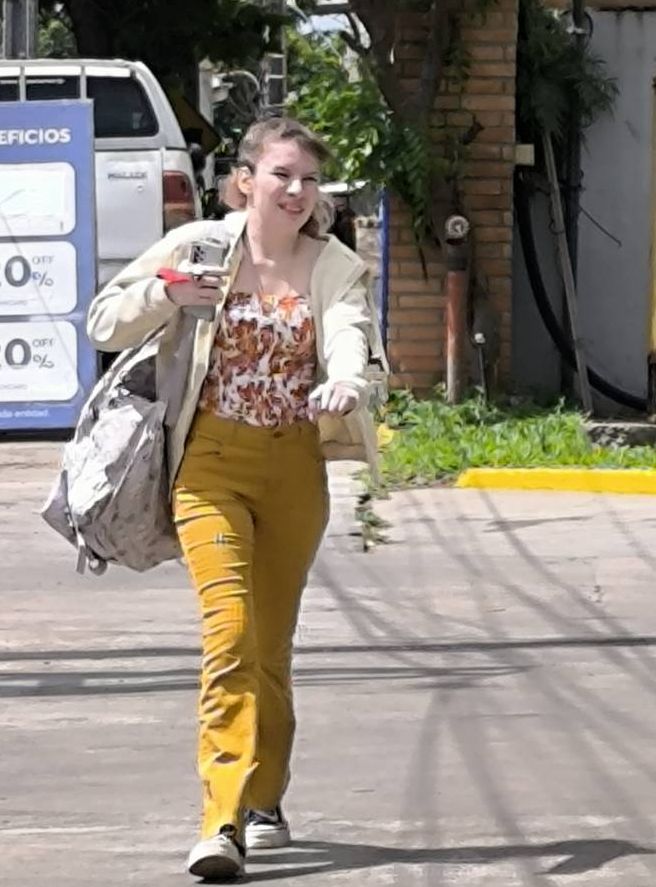
And I bump into a fellow ‘moto chica’.
…
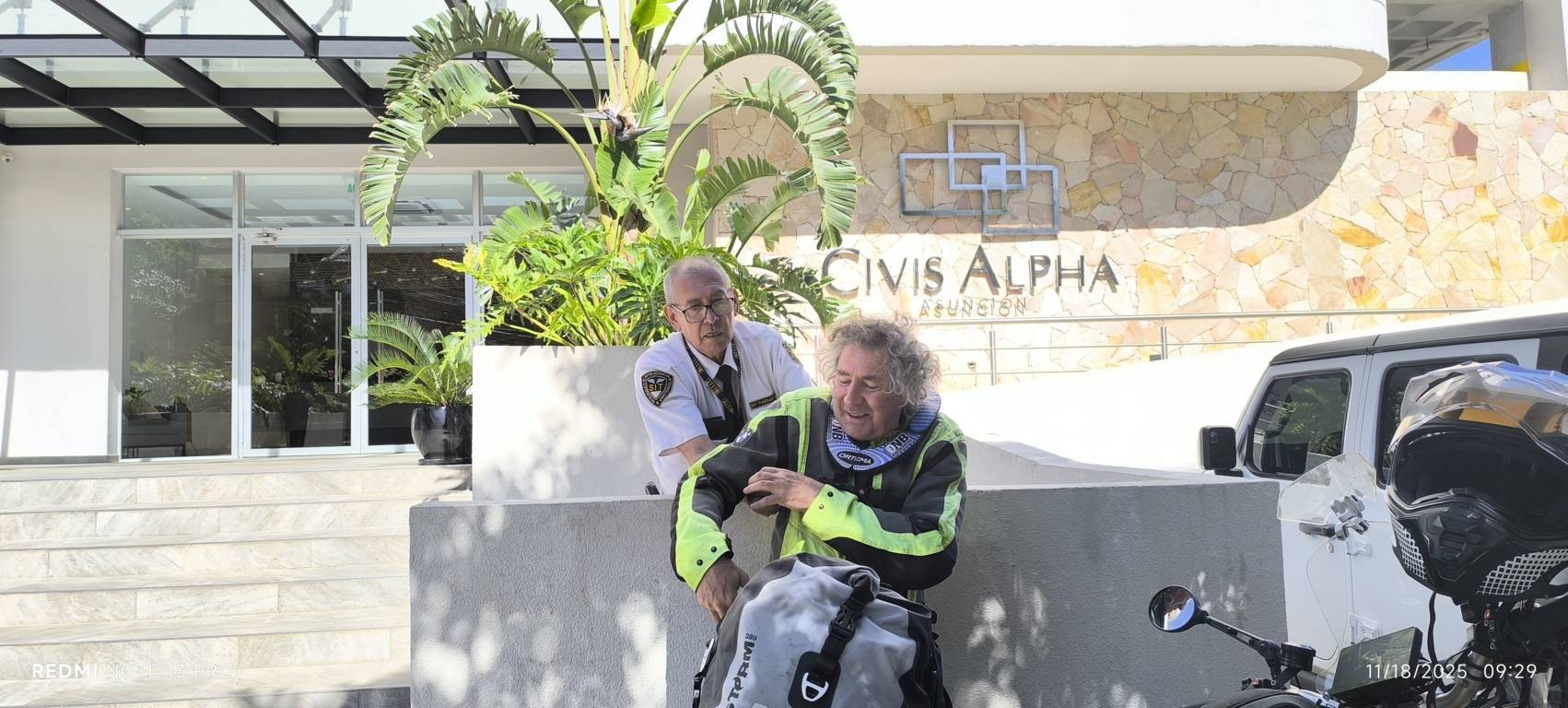
And Harry gets unexpected help putting on his paraphernalia …

…. and a warm handshake.
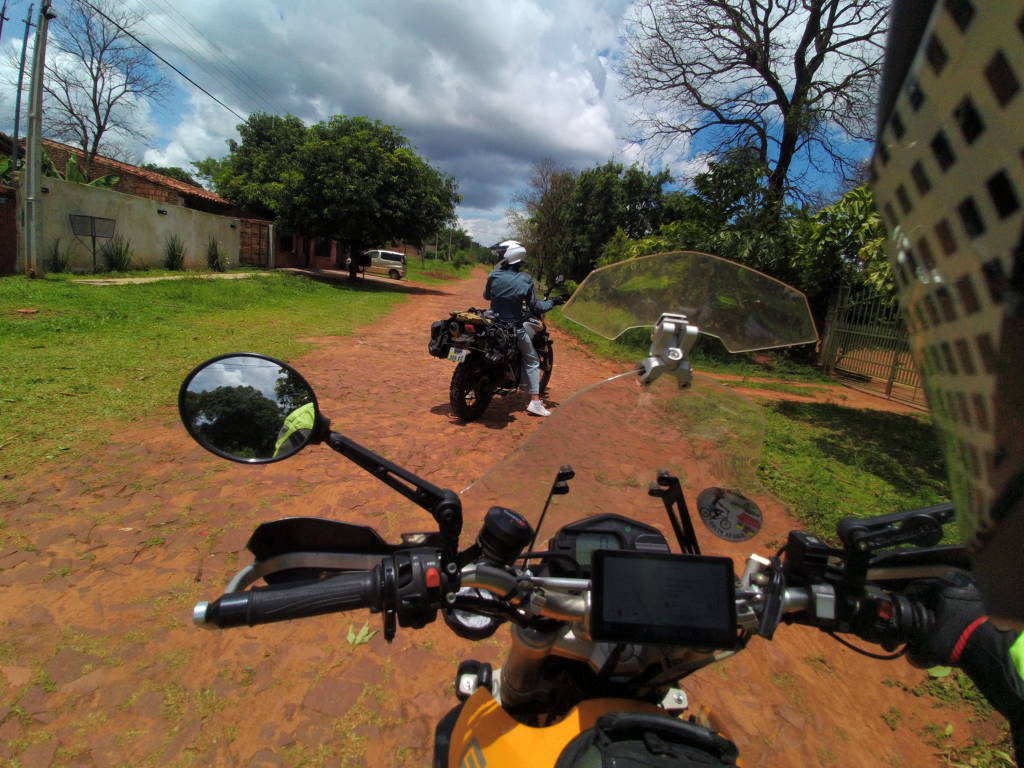
Its a little slower in the rural areas.
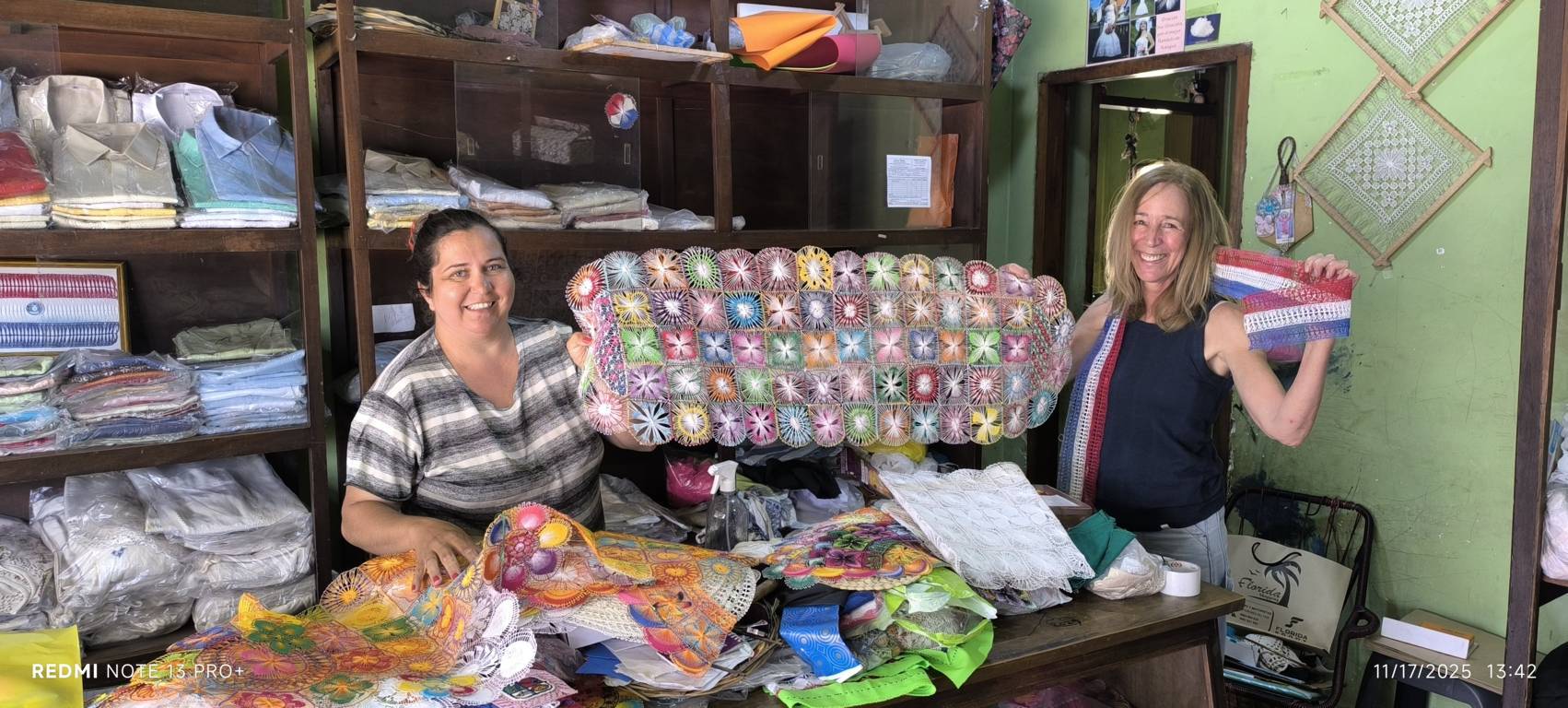
We go to a little village, Itaugua, to buy a small piece of Nanduti. This means ‘spider’s lace’ in Guarani.

Women in this village are famous for exquisite pieces of the finest embroidery ….
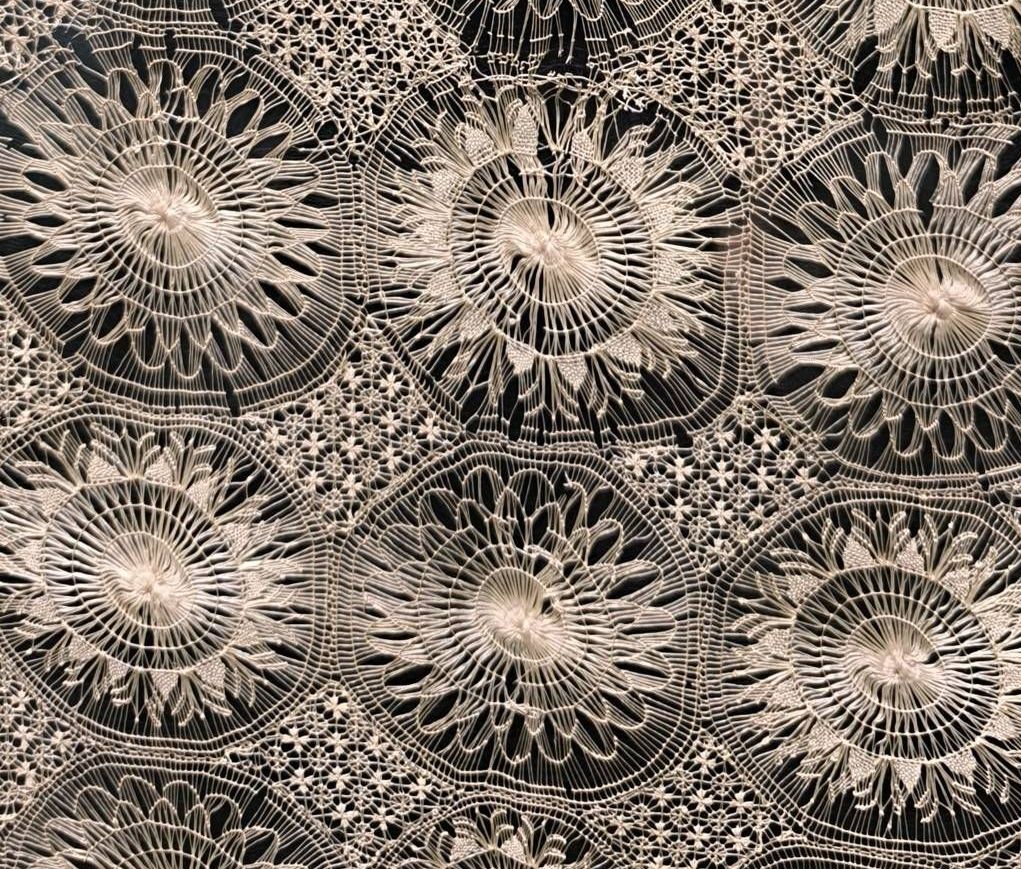
…. like this.

Asuncion like most large South American cities has some super modern buildings like this shopping mall.

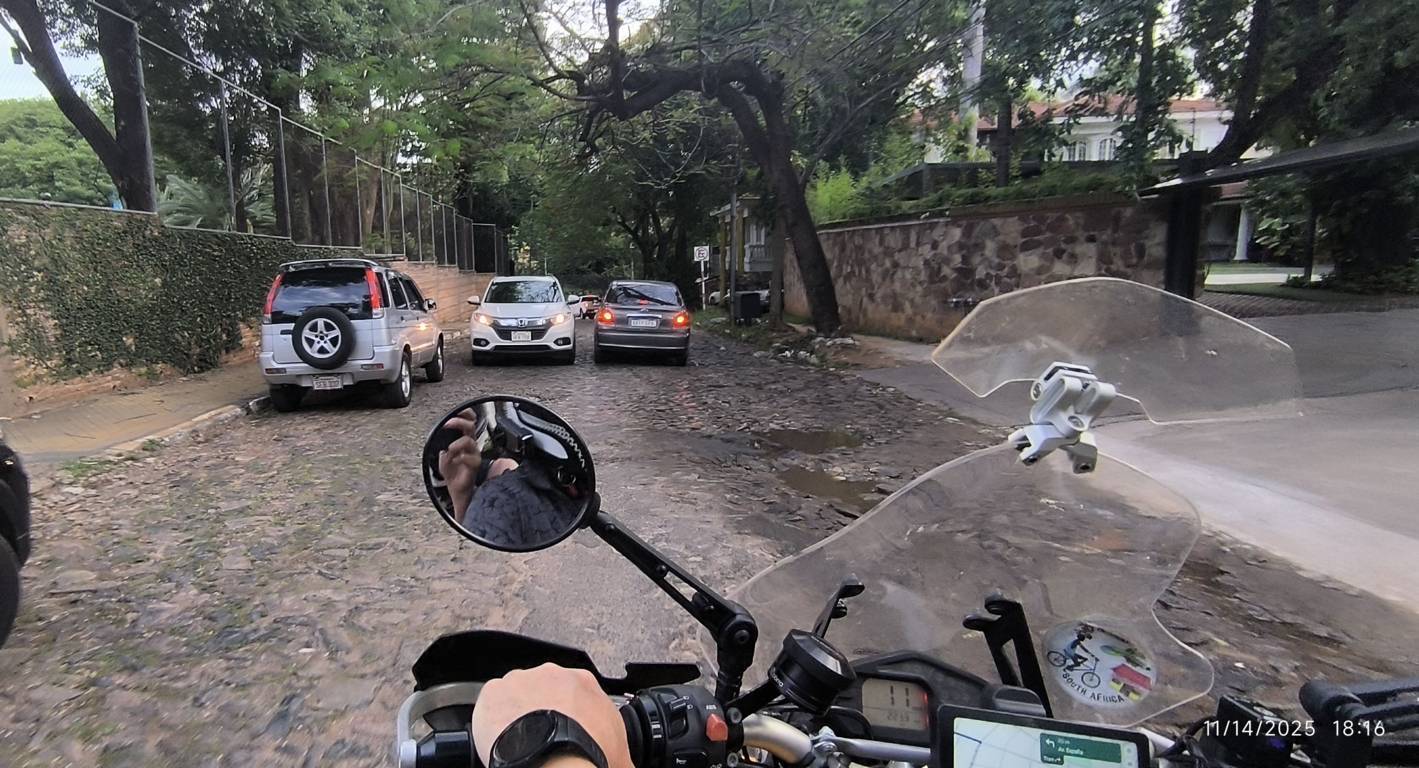
And affluent areas like this …
 ….
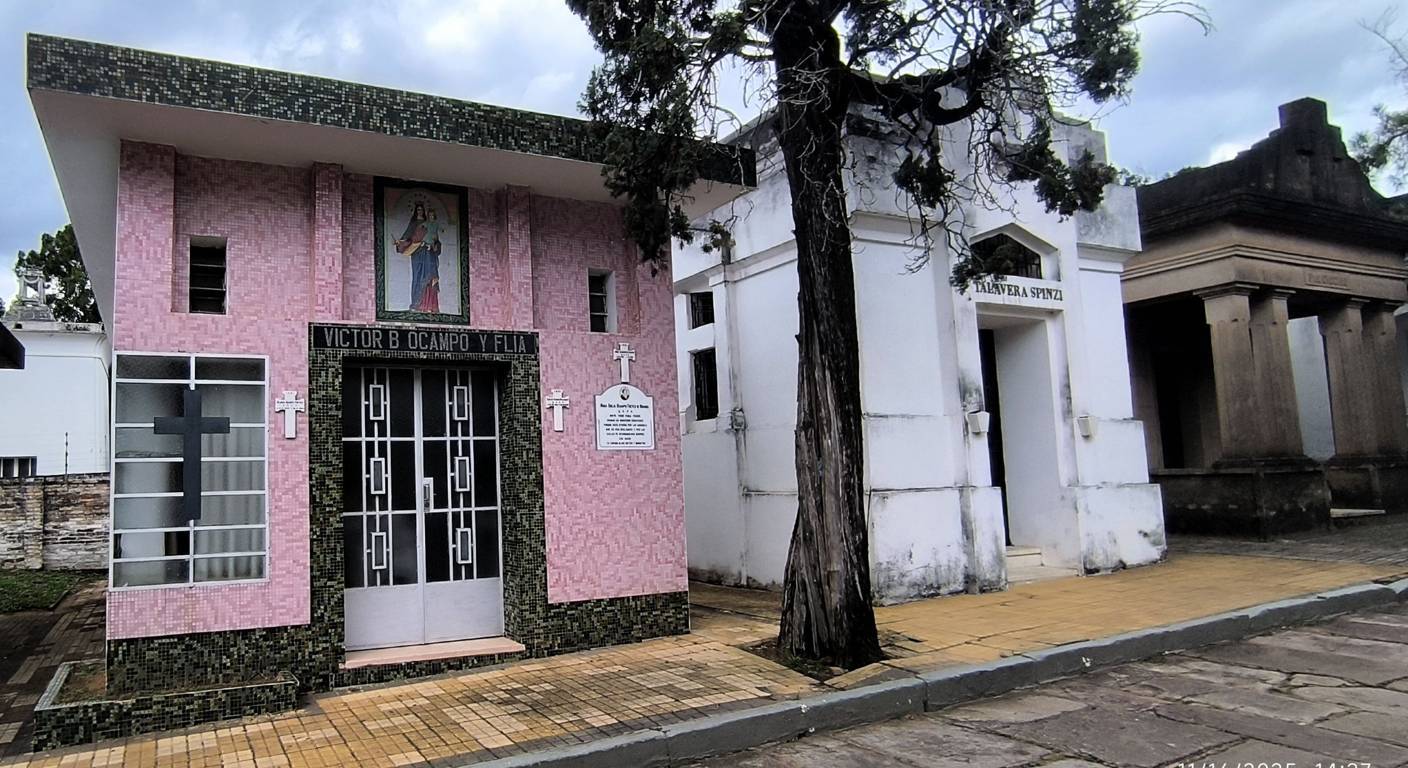
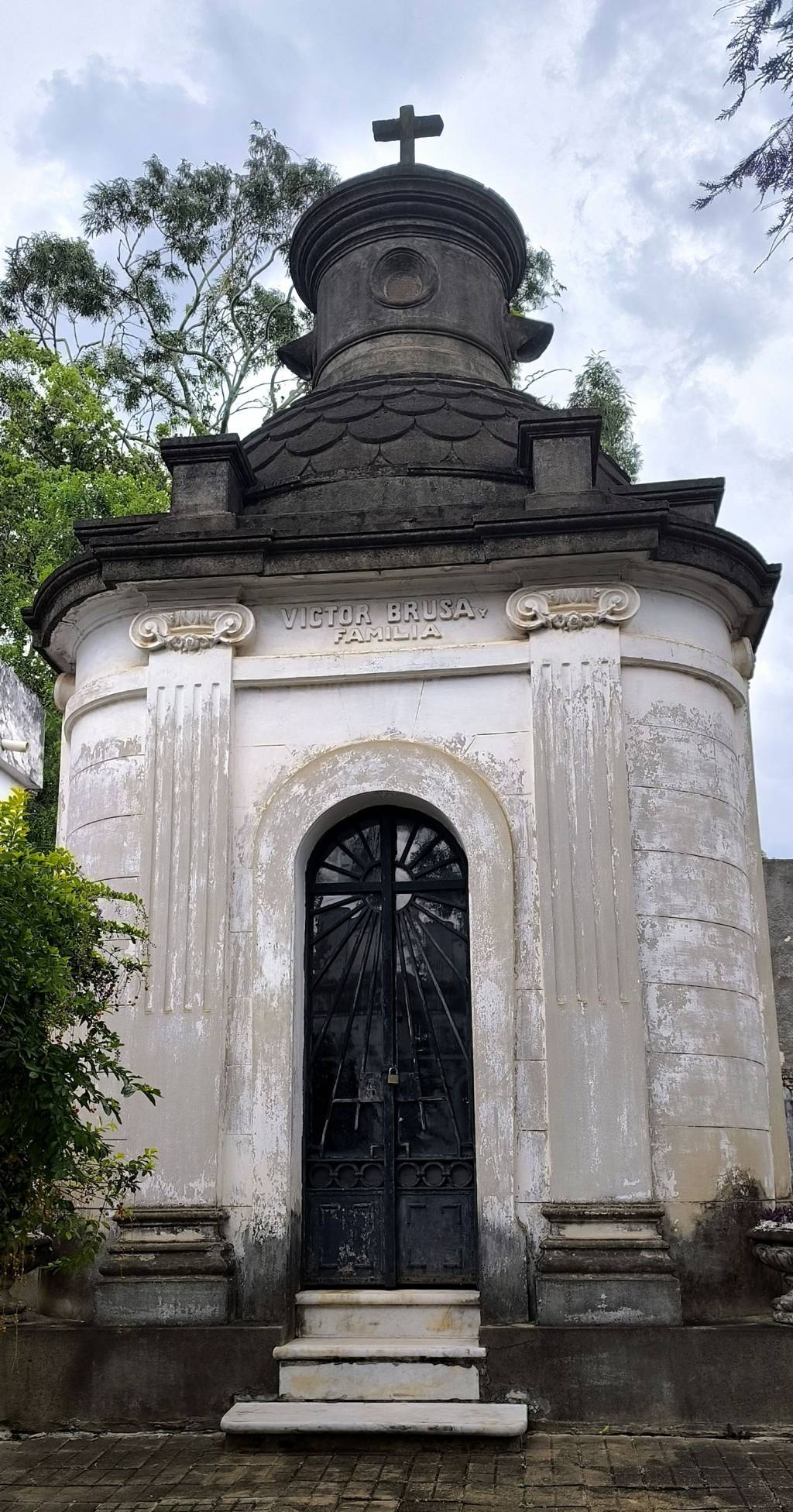
The wealthy, like in other South American areas, end up in cemeteries like this.

…
…
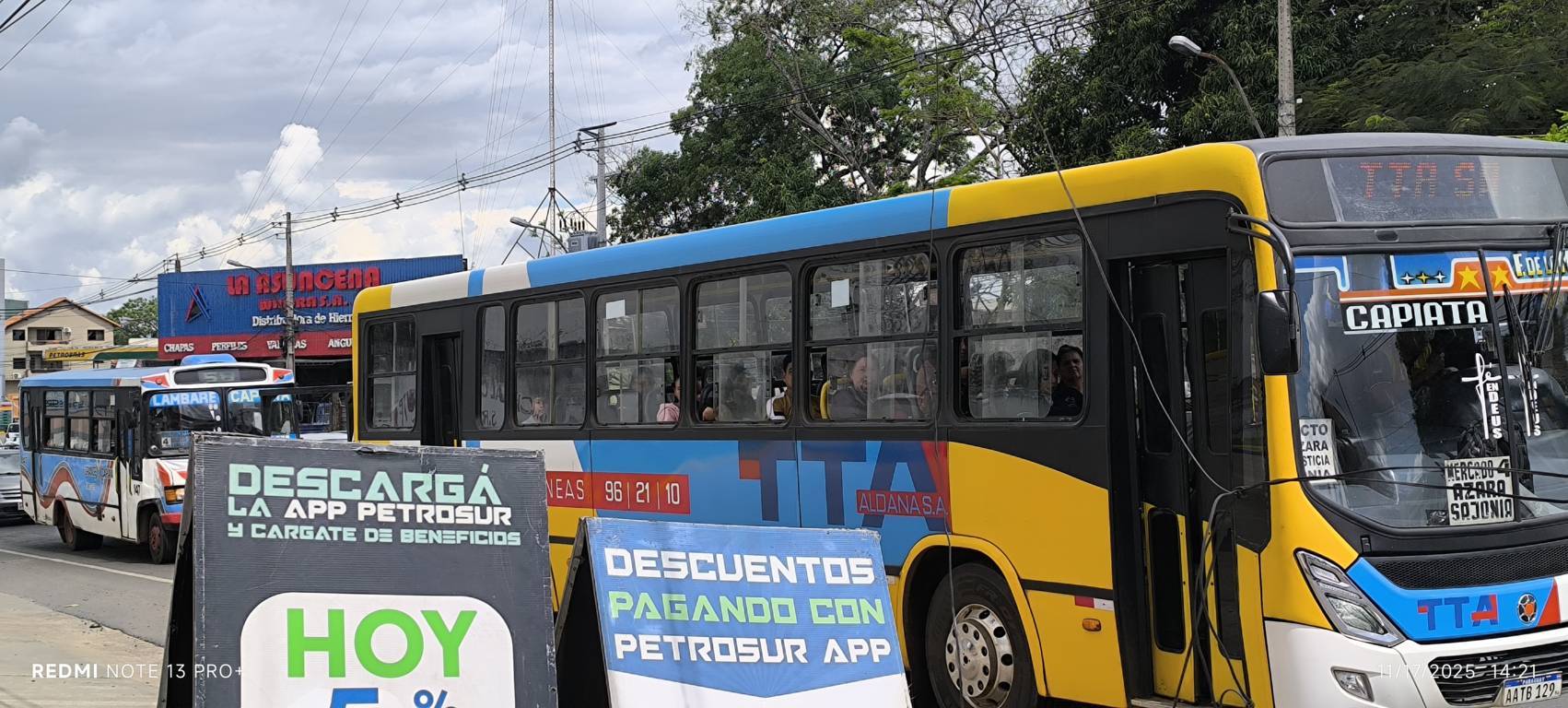
But to us, it seems most Paraguayans are very hard working folk.
A crazy experiment, isn’t it? An almost ethnically homogeneous country! But bits of inequality do show at the edges. We read of landlessness, homelessness and joblessness. And see the hopelessness that comes with this. It’s tragic – as it seems to affect those few Guarani people that did not assimilate the most.

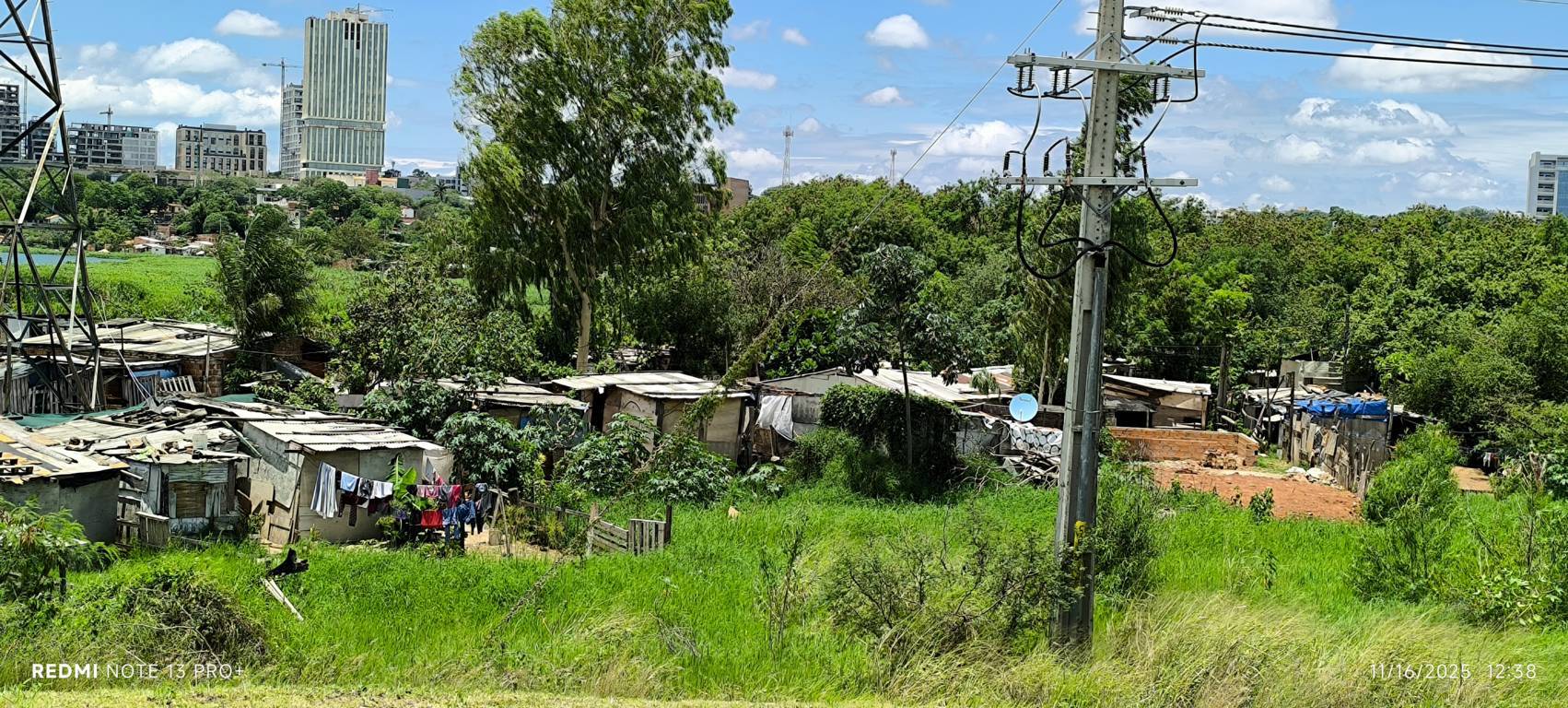
And like at home, we find informal settlements near floodplains ….

… and under electricity pylons ….
…

… and near major roads.

This photo is taken in the CBD. See the fascinating mural in the foreground.

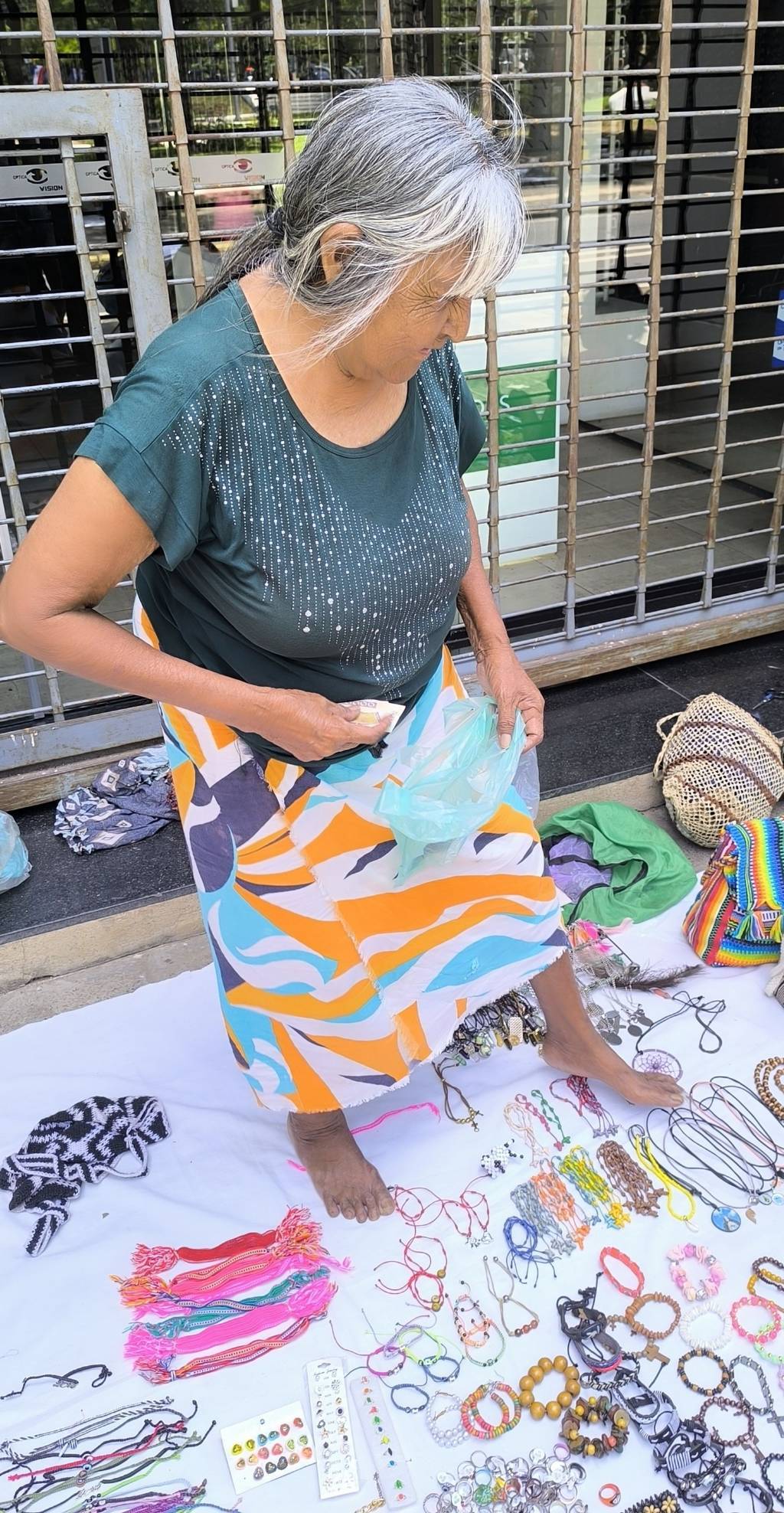
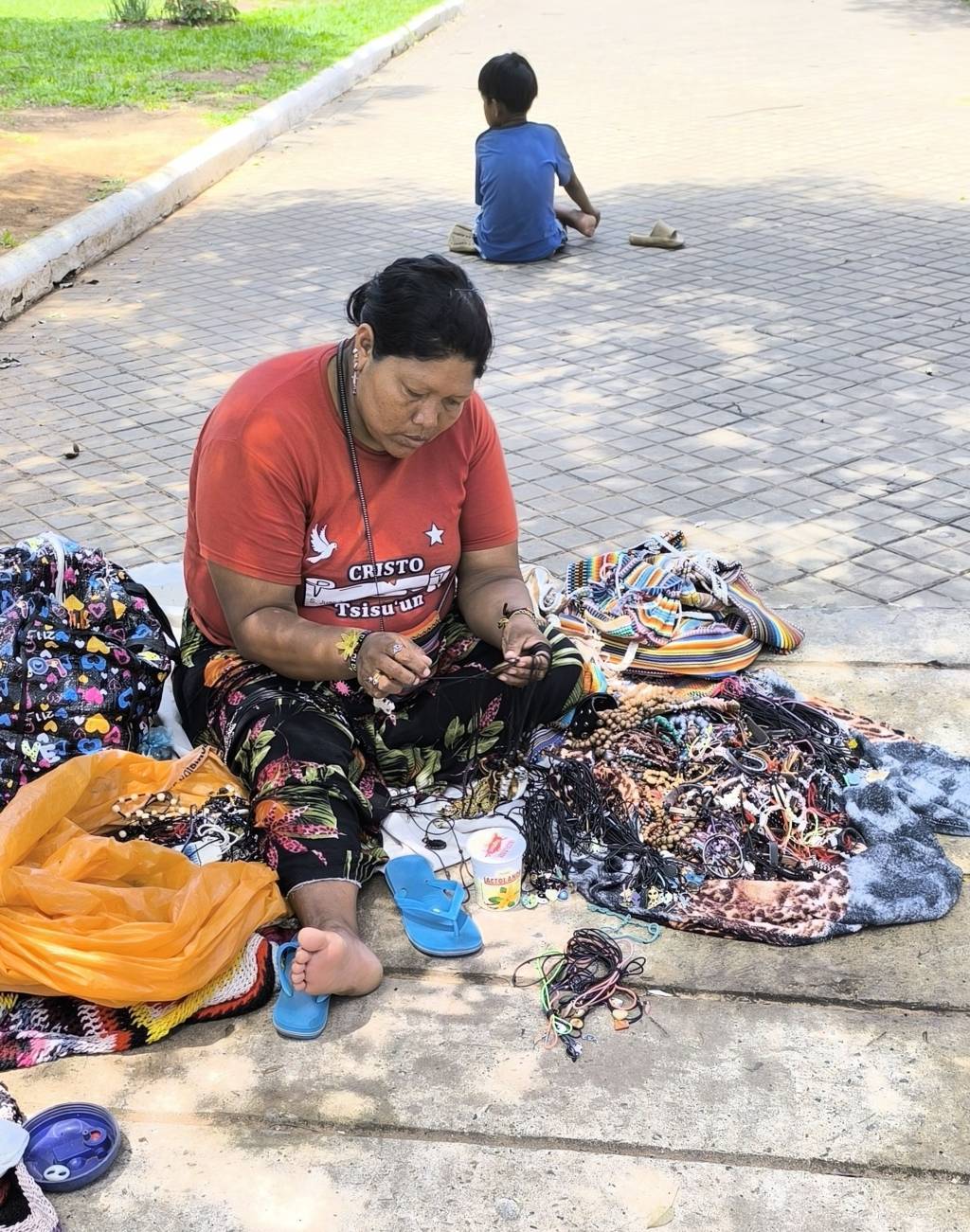
And its in the centre of the old city that we find some Guarani families ….

… selling their crafts.
…

There are so relatively few Guarani left in the world.
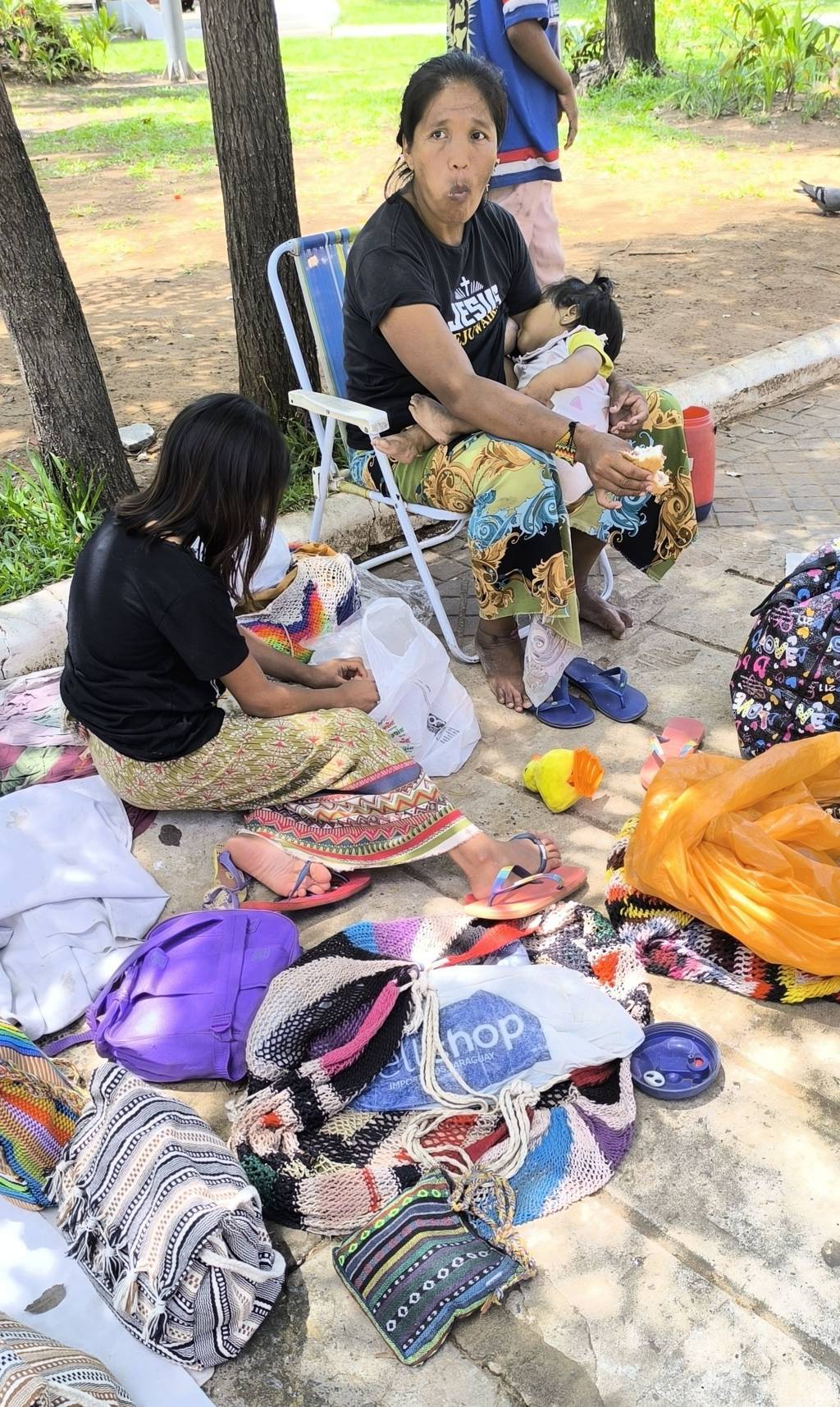
And it is clearly not always an easy life.
…
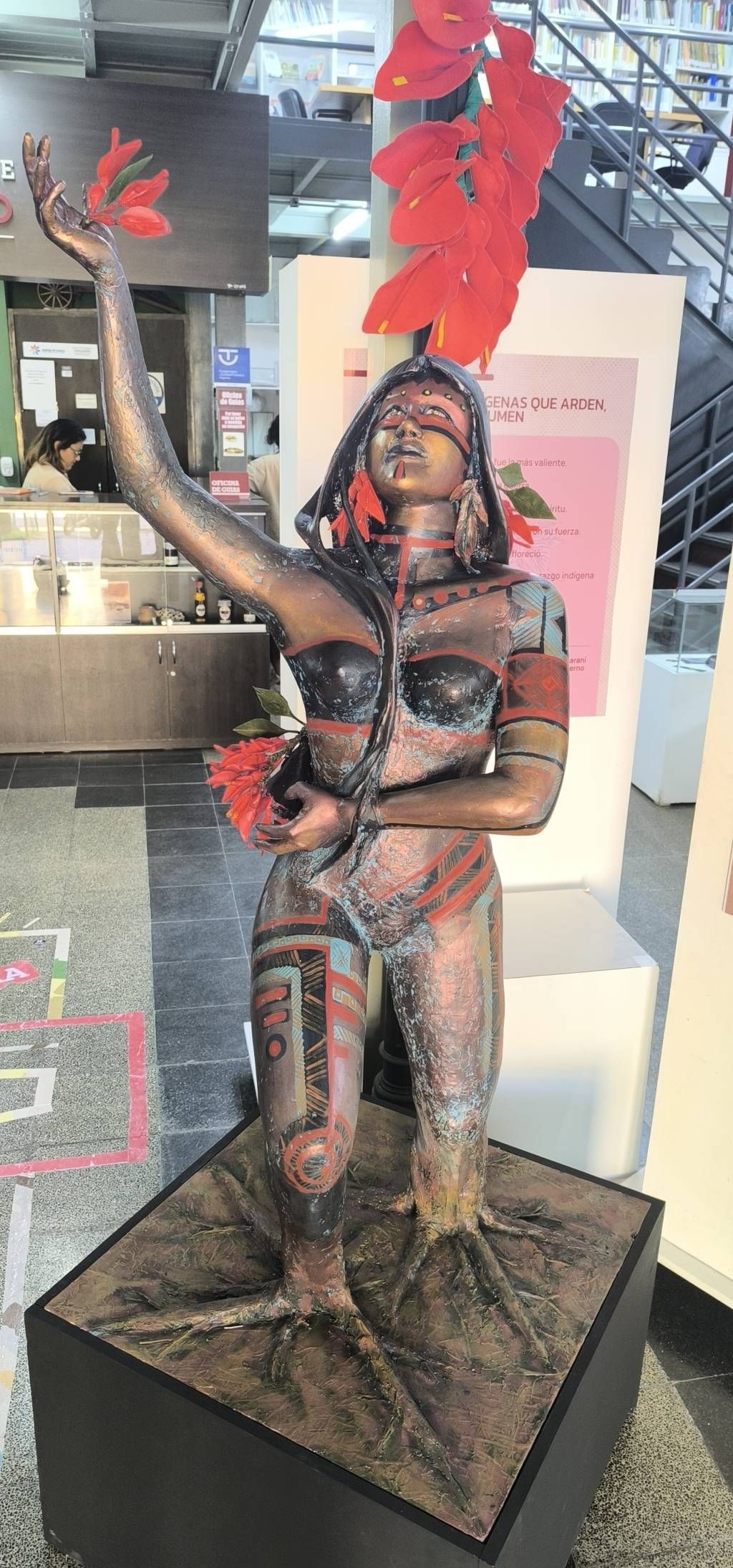
This is Anahi a Guarani legend. She represents the courage of the indigenous spirit in the face of suffering. Look at her feet.
The second oppressor that jumps out at me is Lopez. He comes to power in 1865. The ‘Napoleon of the Americas’, he calls himself. Paraguay builds an impressive military, under his rule. And this gets Paraguay into trouble with all three of its neighbours at the same time; Brazil, Argentina and Uruguay. They call it the ‘War of the Triple Alliance’. Paraguay is hopelessly outnumbered, and five years on, boys as young as 9 and 10, fight at the fronts. You’ll remember 2 of these boys make it into the Asuncion’s ‘Pantheon of Heroes’.
This Triple Alliance War costs Paraguay 50 % of its population and 75% of its men! It’s a catastrophic loss of males and leaves a sever gender imbalance.
Its time for another social engineering experiment! Lopez and his government make polygamy legal! This deals with the massive shortage of men and reverses the severe loss of population. It also provides women with a respectable position in society. It’s a temporary reform for a single generation.
Gob smacked. We scratch our heads in Paraguay. But Paraguayans probably don’t give it a thought. Anymore?


Very interesting posts. Enjoying your adventure 😊
Colin and Debbie
Love the stories interspersed with history!
Fascinating stuff. You guys really do have an eye for interesting detail. Happy trails
Took me a lot of time to assimilate all this info. You tell the story so well. To think I am worried about AI after all of this.
This is a fabulous post! After reading it I reread and took the photos in in greater detail. thanks for gobsmaking me as you say ‘ it is never what it seems’
I didn’t know any of that, it’s fascinating. Certainly some reverse engineering. Never god for the people. Much love.
Gosh! How these dictators rule. I too am gobsmacked. And so, despite their best efforts there is still inequality. As always you tell the story so very well and turn mundane bits of history into an extraordinary narration. Those buildings are so very fascinating. The squiggly ones made me all dizzy. Curious to see what you do with that beautiful piece of lace. Will you frame it? I’m always sad to get to the end of your story and I end up reading it all over again. You have me hanging on for more. Keep these coming. Lots of love!
Linda
So well put together. One day upon your retirement, you could put all your trips together in one book.
Wish you both well
I am ready enjoying your commentary of the trip!
Take care and stay safe