
Bahía Inútilor or Useless Bay is a bay in the western part of Tierra del Fuego on the tip of the South American continent. Located as a body of water in the Strait of Magellan, this bay was named “Useless” in 1827 by Captain Phillip Parker King (an early explorer) because it afforded “neither anchorage nor shelter, nor any other advantage for the navigator”!
Turns out this desolate and windswept area, south of nowhere, is home to the only King Penguin colony on the continent of South America.
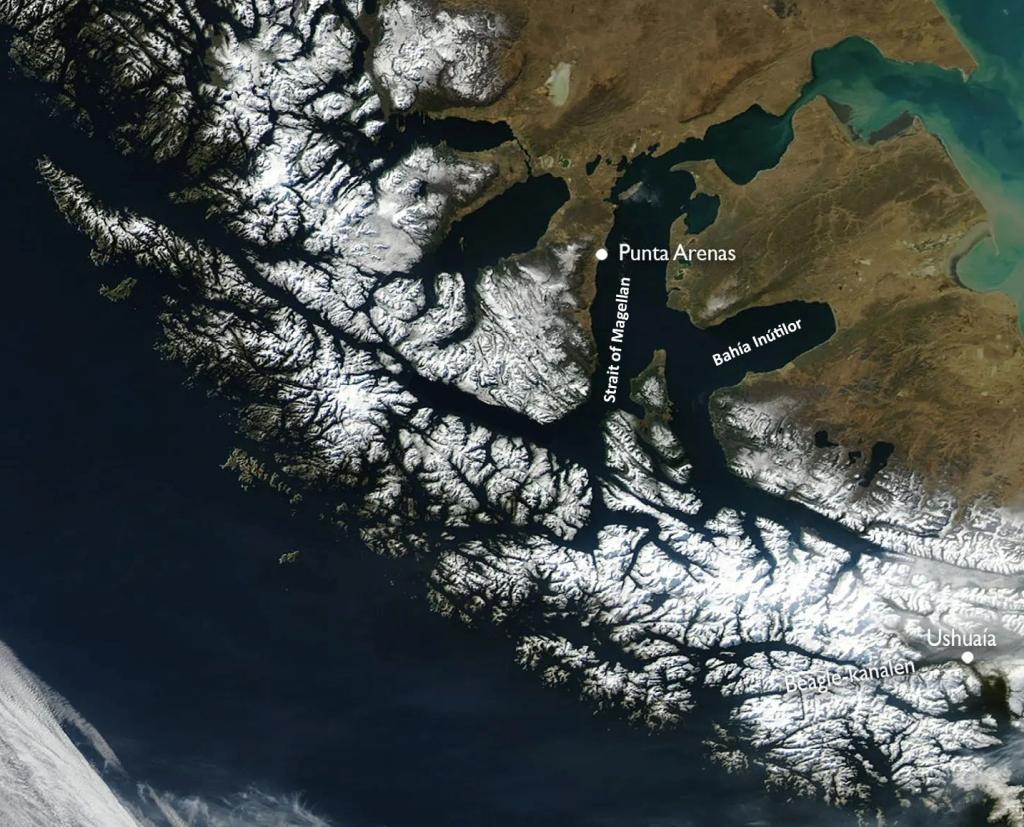
A satellite view of the Bay
They are a species usually only found in the sub Antarctic islands. The map below shows these islands in red, including the Malvinas (aka The Falklands).
These migratory birds move and forage for food between the 45 and 55 degrees south latitudes.
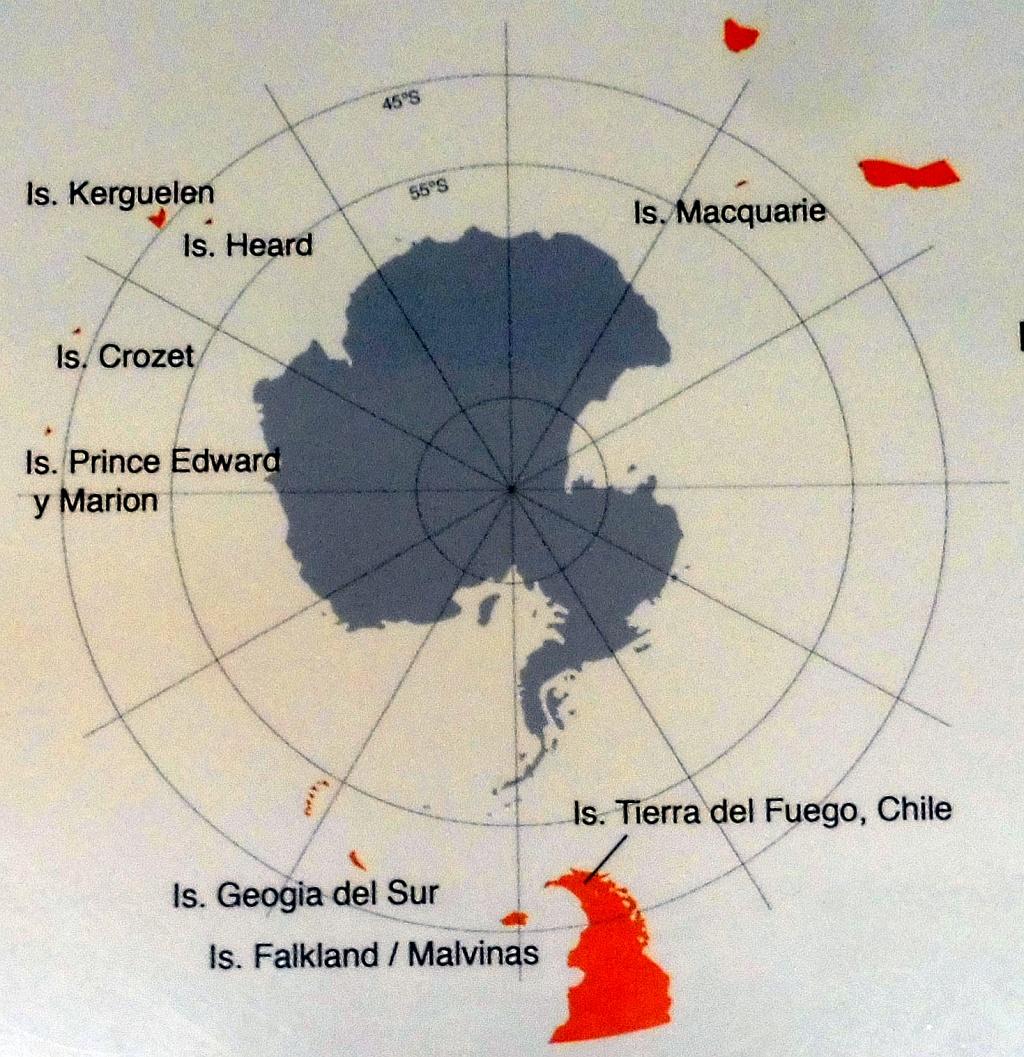
And the colony we visit in so-called ‘Useless Bay” on the Tierra del Fuego of the South American continent is the only land-based colony. Rather EXCEPTIONAL!
In 2010, a group of 10 King Penguins arrived in the bay and stayed for the entire breeding season before migrating, but returning in the following years.
The colony has now grown to 30 breeding pairs.
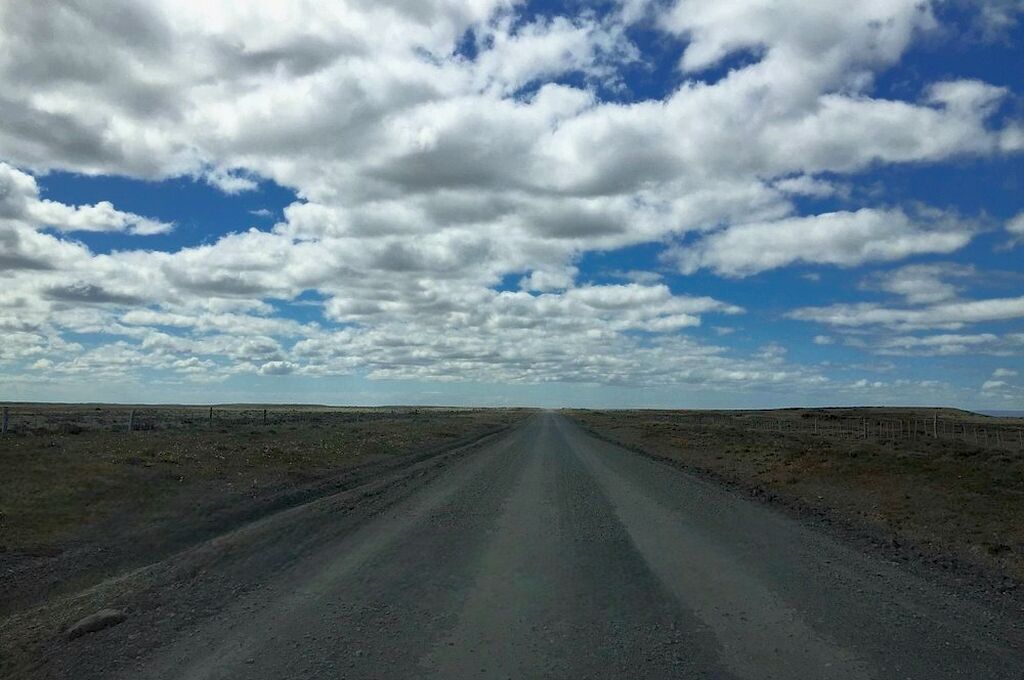
On route to Useless Bay. At least we know this road goes somewhere.

Nature adapts to its environment.
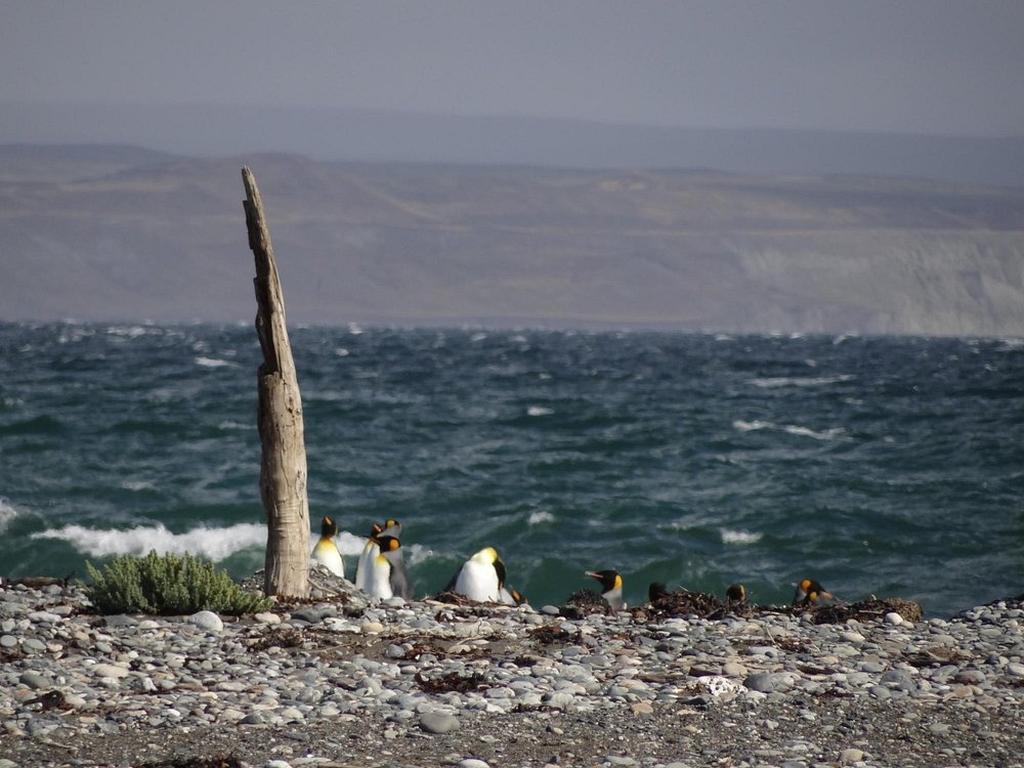
There they are!
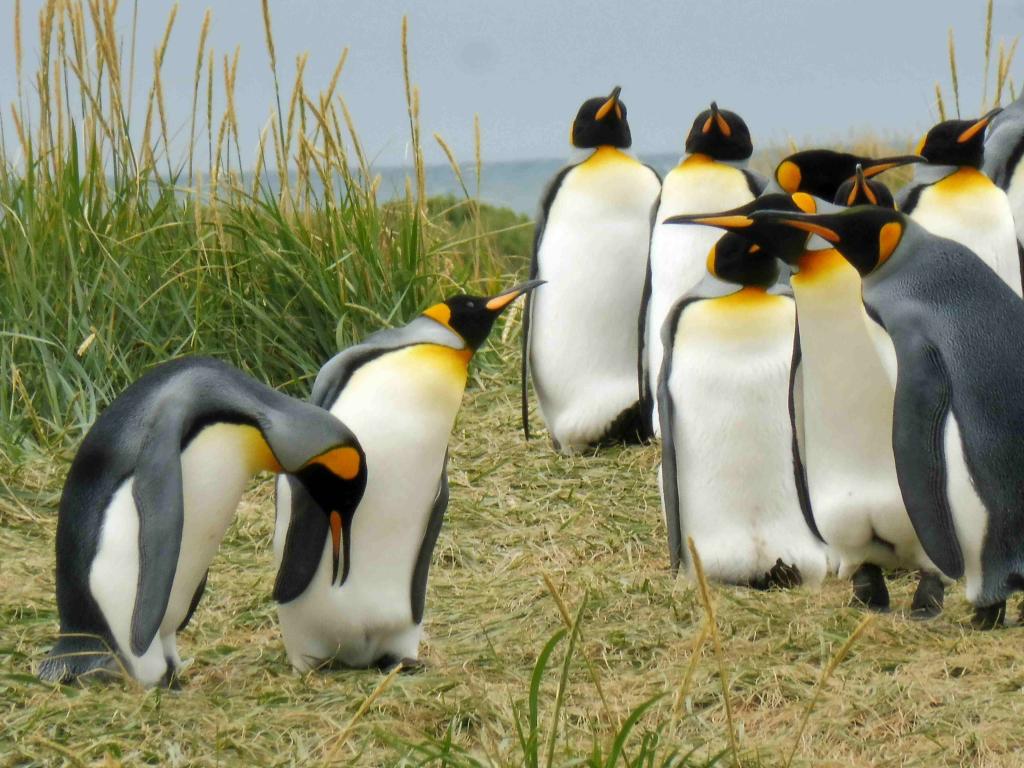
King Penguins are the second largest species of penguin, the Emperor penguin being the largest

Ok bud. Make my day, Kings can reach a height of 95 cm and have a lifespan of 25 + years.
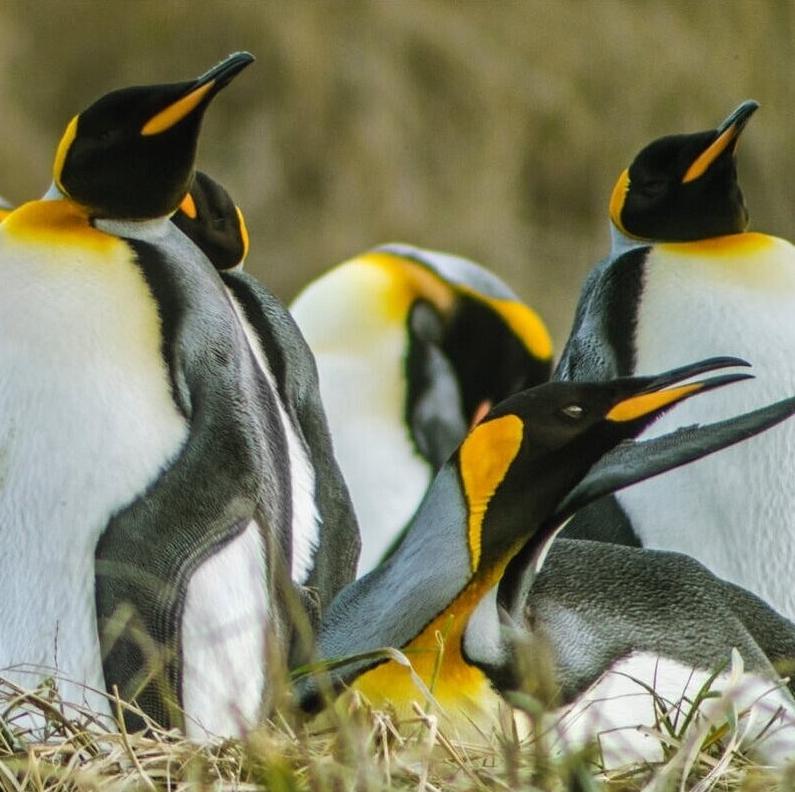
Their yellow colour is derived from carotene in their diet. Carotene is found in species such as herring, salmon & tuna.

When cold, they lie on their bellies. Their black backs absorb the heat.
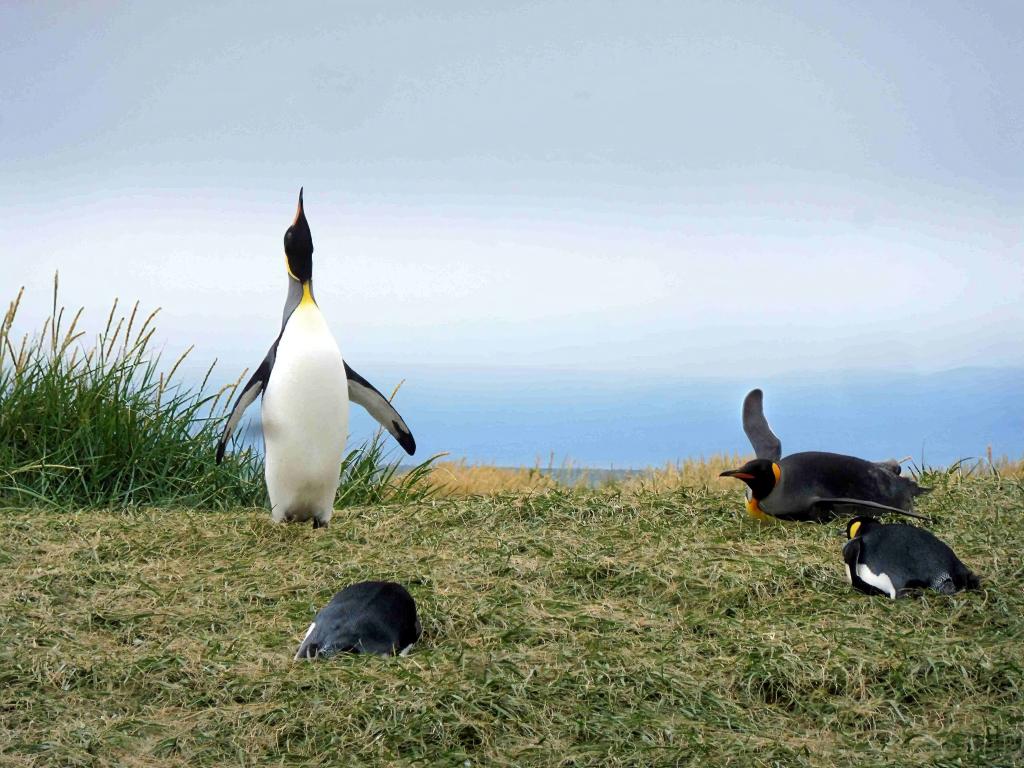
They call each other, which sounds very much like a drone taking off.
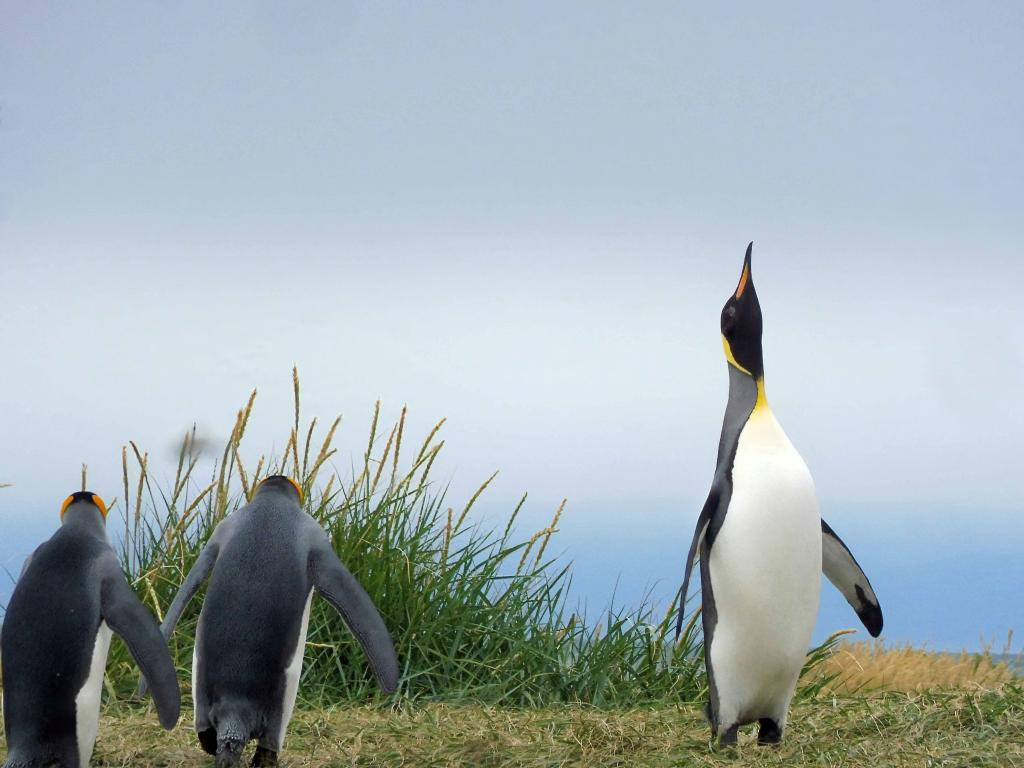

Females choose their mate and have the last say, as is the norm. The females have a dance routine to invite a chosen male.

The chosen one.

Failure has its rewards through persistence.
The King Penguins possess a notably prolonged reproductive cycle, spanning around 14 to 16 months, distinguishing them from other penguin species. This long timeframe entails various stages, such as courtship, egg laying, incubation, and nurturing of the hatchlings.
The incubation phase persists for approximately 55 days, during which the parents alternate in regulating the egg’s temperature. Parents take turns to balance the egg on their feet, enveloping it with a brood pouch to maintain the best temperature.
After hatching, the chick requires a lengthy period of dependency that demands meticulous parental attention before it can fend for itself.
This prolonged timeline ensures that the chicks have the necessary strength to survive the inclement sub-Antarctic weather. The intricacy of this breeding cycle is heightened by the necessity to synchronize with the availability of seasonal food, ensuring that the chick’s development coincides with the abundance of marine resources.
These creatures possess astounding diving abilities, diving to depths of over 300 meters to prey upon deep-sea fish, squid, and krill.
Additionally, their capacity to fast for extended periods while breeding enables them to remain within the colony without needing to forage, consequently guaranteeing uninterrupted nurturing for their growing progeny.
The King Penguin’s life cycle stands as a beacon of survival, in tandem with the delicate equilibrium of a harsh polar environment.
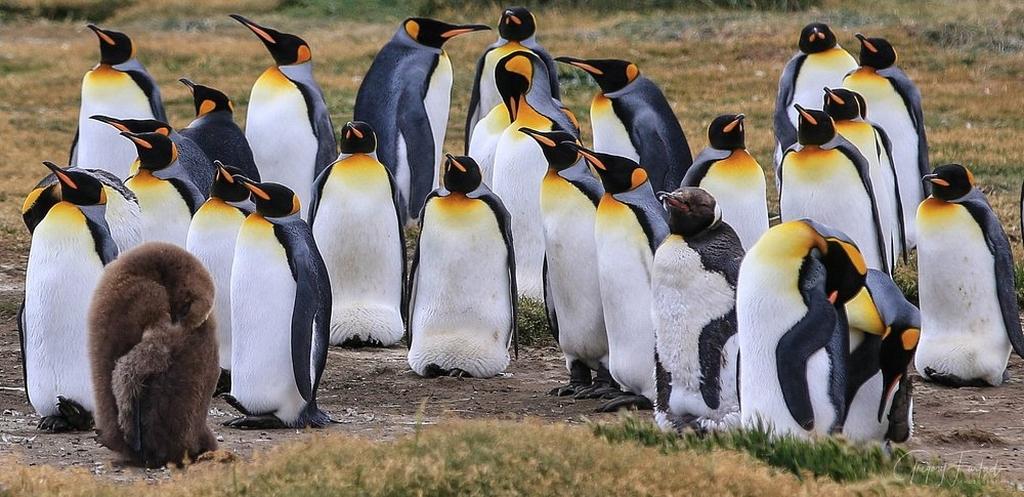
Chicks are covered with a brown down.
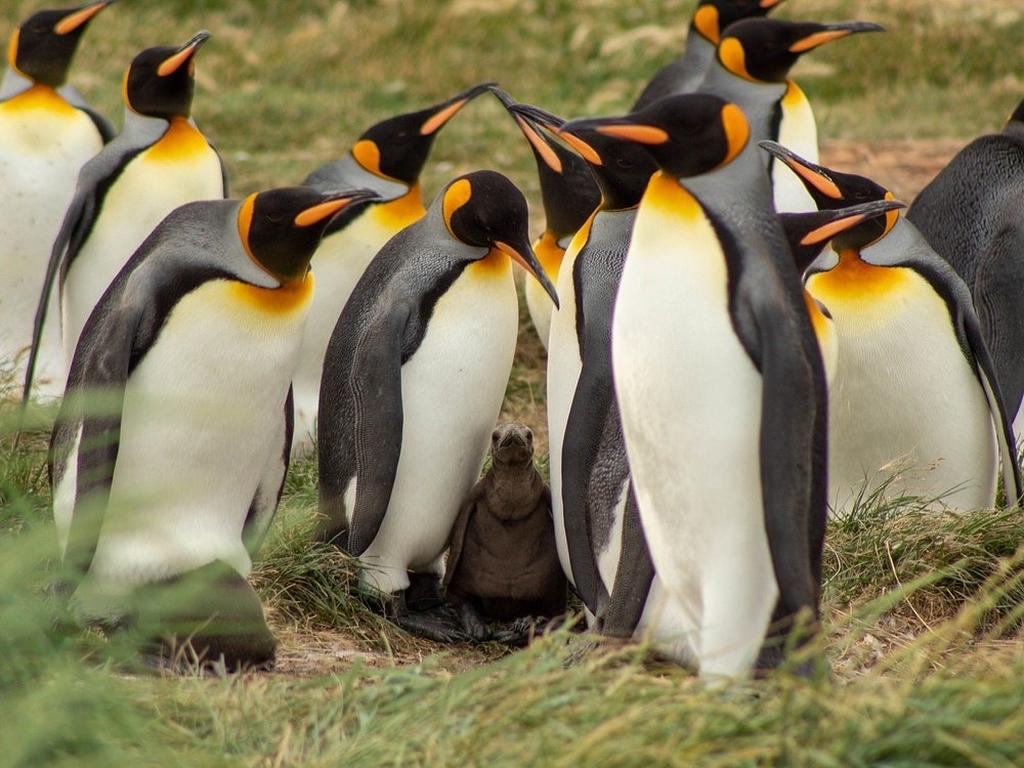
In 10 -12 months, this little one will reach adulthood.
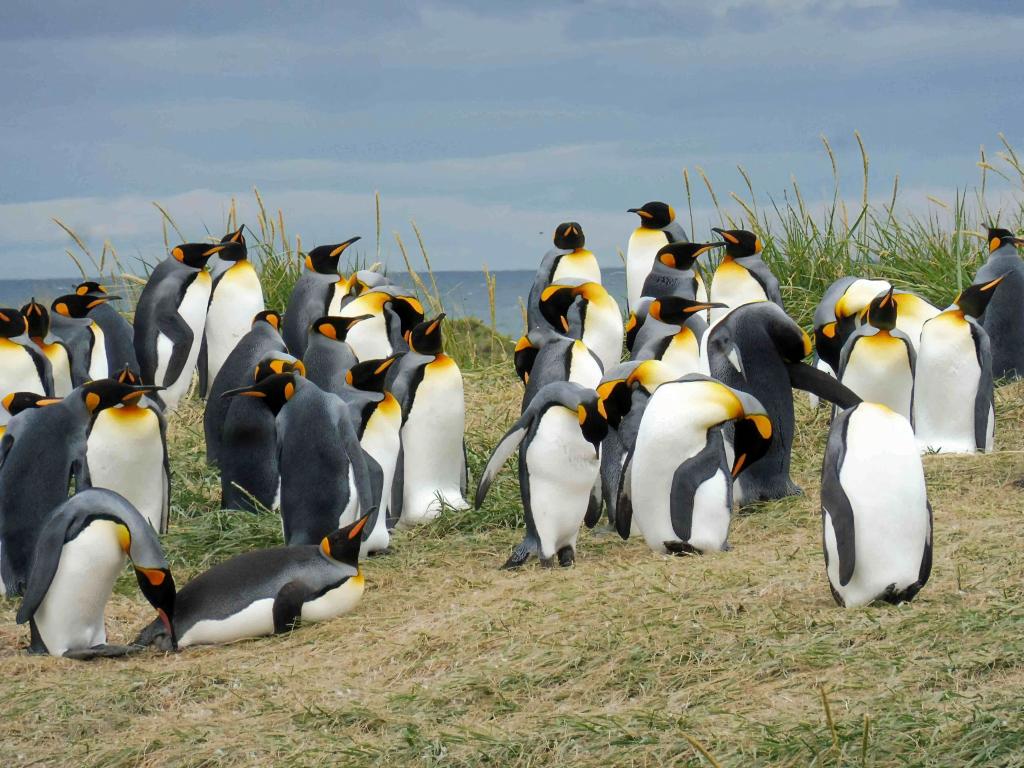
And for those not so lucky, hang in there. Your time will come.
We live in challenging times and one could learn from penguins, which offer living lessons in resilience
One of the most beloved birds in the world, penguins can help provide hope through connection to wild animals, the transformative power of wonder, and the healing effects of laughter.
It’s almost impossible to feel miserable in the company of penguins.
We thank them for the experience!







I know this is going to sound strange but I was slightly shocked at you calling them birds. I have never thought of them as birds, isn’t that strange? Anyway the wonderful book The Worst Journey in the World has the most delightful descriptions of penguin character and is a great read.
Definitely not ‘Useless’ information and article. Continue the safe travels L&H.
Just lovely!
Thank you so much for sharing your fascinating & pioneering journey.
Incredibly interesting
Love these penguins. Such majestic looking creatures. Thanks for sharing all the fascinating details of their journey through life. What a highlight on ‘useless’ island
Brilliant!!!!
What fantastic penguins. They are just so lovely. It is an amazing story of survival. I am surprised that the number of breeding pairs increased so much. WELL DONE MY KINGS AND QUEENS.
Yes this blog is a real spirit lifter. If these King Penguins can survive in such desolate conditions what do we have to complain about. Thanks so much!!